
Traveling with an Autistic Child

Preparing for a Trip with Autistic Children

When you’re making any travel plans, preparation is key. The small bit of extra planning can make a huge difference in ensuring everything runs more smoothly. But, when you’re traveling with an autistic child, there are additional factors that can make travel more challenging, from finding autism-friendly vacation spots to transport options and even insurance. Taking time to plan around your child’s needs can help reduce some of that stress, lower risks, and set the stage for a trip that feels more enjoyable for everyone.  

A child with blonde hair wearing pink sunglasses, red trousers and a white shirt sat on top of a large blue piece of luggage.

Getting Ready for a Smoother Trip 

Autism and vacations aren’t usually thought to fit together well. After all, for many autistic children, routine changes and new places can be intimidating experiences. This is why, while planning any family trip or vacation is always fun, it can also be incredibly stressful. When your child is autistic, there are more details to think through, and that is completely normal. A bit of thoughtful planning helps you focus on what matters most – time together – while keeping your child’s comfort and safety front and center.

From managing your and your child’s autism-related travel anxiety to ensuring their safety and comfort in new environments, here are a few tips on how to reduce risks and increase the fun on your next trip.

Planning the trip

The planning phase of the trip is crucial for creating the best autism-friendly vacation experience. Putting in a little extra work up front can make the whole journey easier. It helps you feel confident about each step and gives your child the predictability they need to enjoy the experience.

Research your destination

Before you book anything, research your destination to ensure that it is suitable for your child. Find a destination that can give you the best family vacation with autism-friendly accommodations in place. Highly stimulating experiences like amusement parks, playgrounds, and performance venues can be overwhelming for children, especially those living with sensory overload.

Consider destinations like Sesame Place, which was the world’s first theme park to be designated as a certified autism center. They have trained staff who are knowledgeable about autism and how to provide support to individuals with sensory sensitivities, as well as sensory guides to help families plan their visit and navigate the park. There are also quiet rooms where visitors can take a break from the noise and crowds and have some downtime.

You can also look for quieter options. Sometimes, the simplest destinations and activities can make the best vacations for kids with autism, such as smaller beach towns, state parks, or less-crowded museums, which often offer more space and calmer environments. Calling ahead to ask how they support autistic visitors can give you a clearer picture of what to expect.

Here is a comprehensive list of questions you can forward to any prospective destination to assess their readiness to host you and your child:

· Can you tell me how long the wait times are?

· Where can we find our room or seat?

· How long does the program, event, or attraction typically last?

· What sets your location apart from others like it?

· Do you offer sensory guides for your guests?

· What type of training do your employees undergo, if any?

· Are there any times when staff members won’t be available to assist me?

· Do you have any employees who specialize in autism?

· How many people are usually around?

· Is the street typically busy?

· What kind of view can we expect from our room or seat?

· How noisy is it usually?

· Is it generally quiet during the night?

· Is it hot and humid outdoors?

· What material are the seats/linen made of? Cloth, leather, or plastic?

· Is it possible to receive a menu beforehand?

· Am I allowed to bring my own food?

· What kind of food substitutions are allowed?

· How far away is our room from the pool and kitchen?

· Do you use scented detergents or cleaners in the rooms?

· Where is the garbage and waste collected, and how often is it done?

· Is there a designated area where I can take my child if they become overwhelmed?

· How easy is it to get to that space?

· What safety procedures do you have in place in case of a medical emergency?

Special Travel Insurance

Autism travel insurance is a type of travel insurance that’s specially designed to provide extra coverage and protection for people with autism when they’re traveling. Beyond normal travel coverage, special autism travel insurance can also cover additional expenses that may arise due to autism-related incidents.

For example, if an autistic individual experiences a behavioral or sensory meltdown during their trip, the insurance can help cover any costs associated with that incident, like the cost of a hotel room or a medical professional’s assistance. Knowing this support exists can ease worry and let you focus more on enjoying time together. 

Autism Travel Card

An autism travel card is a special card or document that autistic children should carry when they travel. It helps to let transportation officials and other service providers, like hotel staff, know that your child is autistic and might need some extra help or accommodations during their trip.

The card usually has basic information like their name, age, and picture, along with details about their sensory needs, communication preferences, and any other support they might need. Combine the card with a list of your child’s specific issues so that if they get lost or wander off, adults who find them are able to respond accordingly.

Keep the card in an easy-to-reach place, like a badge holder or front pocket, so it is available right away if needed.

Different organizations or agencies might have their own version of the card, but they all serve the same purpose.

Preparing Your Child

This is perhaps the most important aspect of the trip. Both you and your child may be entering an unfamiliar environment, which can spark anxiety and serious behavioral reactions.

Ensuring that your child is well prepared and ready to tackle these new challenges and changes to routine and environment will go a long way to making their and your trip enjoyable. Preparation helps the new feel more predictable, which can lower stress for your child and for you.

Create a Schedule and Social Story 

Detailed schedules should include the travel process, holiday activities, meals, and breaks. This will help your child feel more comfortable and reduce anxiety.

It’s a great idea to illustrate the schedule in a picture and/or word social story. This will help them understand what to expect and feel more comfortable with the unfamiliar experience.

Include pictures or descriptions of all aspects of the trip, especially when you combine autism and air travel. Make sure to illustrate security processes, the terminal, the airplane, hotel/accommodation, activities, and various other aspects of your journey. You can also add sensory experiences that your child may encounter during the trip, such as ear-popping during takeoff and landing.

These concepts require reinforcement. A useful technique is to get your child to explain the schedule back to you repeatedly. You can also mark the departure date on a calendar at least three weeks before and get them to mark each day off. A simple countdown can build comfort and excitement at the same time.

Additional Training

If you find your homespun efforts are falling a little short, then consider travel training for autism, a program that helps autistic children learn how to travel in a more structured way. It teaches them many of the skills and knowledge they need to be able to navigate the trip, while also helping prepare you as a parent.

Travel training programs do vary, but they usually include a mix of classroom instruction and hands-on training. These could include exposure therapy, where the child can be acclimated to certain sensory stimuli like sand, snow, escalators, or even the feel of wearing a bathing suit. Short practice outings, like visiting a busy store for a few minutes and then leaving on a positive note, can also build confidence 

On the way

Release Pent-Up Energy 

Travel often requires long periods of sitting still and being quiet, which can be challenging for children who have a lot of energy. To help your child relieve any pent-up energy before departure, encourage them to engage in high motor activity.

Activities that involve gross motor movements, such as running or jumping on a trampoline, for approximately 20 minutes, can be especially helpful. This type of activity can help your child release energy and reduce feelings of restlessness, making it easier for them to remain calm and comfortable during the journey. Many airports now have children’s play spaces that would be ideal for a pre-flight activity session. For road trips, plan short movement breaks so your child can stretch, reset, and get back in the car feeling better

Bring Items of Comfort Along

Comforting items from home, such as a favorite blanket or toy, help your child feel more at ease in unfamiliar surroundings. You should also consider not washing certain items to keep the smell of home constantly present as a comfort in times of distress.

Sensory Supplies 

A good idea is to keep a bag of supplies in the car based on what you know about your child’s needs and their sensory sensitivities. Consider giving your child a small backpack with items they can access on their own as well.

Include sensory blockers like headphones to help with noise hypersensitivity. Other helpful items for sensory relief can include portable fans, hand sanitizer, and moisture-wicking towels. Pack a few favorites you know work well at home so your child has familiar tools on hand.

While You’re There

Once you arrive at your destination, it is important to reinforce much of the preparation that was done with your child and ensure that the venue/accommodation can deliver on what was presented. You also need to be prepared for any eventuality you may not have considered.

Give yourself permission to slow the pace when needed and build in extra time between activities. 

Establish a Routine

Keeping a familiar structure during travel can make transitions easier for your child. If your trip takes place in the warmer months, maintaining a summer routine can also help your child feel balanced and more comfortable throughout the vacation.

On arrival, it is important to remind your child of all the preparation that was done and then establish a routine for the rest of the vacation. Use all the tools you would at home to make them immediately comfortable in the new space, and put up the schedule you prepared as a visual reference

Plan for Sensory Breaks 

The reality is, even though a family trip is a time for fun, relaxation, and trying new activities, your child may need breaks from sensory stimulation. So, while it’s great to have fun activities and interesting destinations in your travel plans, it’s also important to plan for quiet or calming

activities during the trip. This can include activities like reading, drawing, or playing with sensory toys. Assuming you booked at a certified autism center, the resort, hotel, or park may offer specially-designed facilities for this.

If your vacation involves time around water, it may help to learn about programs that address autism drowning risks and focus on water safety for autistic children.

Inform All Service Providers

Let hotel staff and tour guides know about your child’s needs in advance so they can be prepared to provide any necessary accommodations. It is, however, important to remind them when you arrive and during the stay, as staff can rotate, or your instructions may not make it all the way down to the cleaners, waiters, and other service staff. If possible, ask for a main point of contact who can help make sure requests are shared with the rest of the team.

Have a Backup Plan

With all the planning and preparation in the world, there will always be situations that you cannot anticipate. In these cases, you need an emergency backup plan to mitigate any unforeseen stimuli, changes, or triggers that could overwhelm your child.

This could include returning to your hotel room for a break or finding a quiet, less stimulating activity. To avoid unnecessary anxiety and distress, be prepared to stop any activity immediately to limit the impact on both you and your child. Talking through backup options with your child ahead of time can also make those moments feel calmer. 

Lighthouse Autism Center, a Partner on your Autism Journey

Planning for any changes in your child’s life is a challenge. Let Lighthouse Autism Center help you navigate these spaces through our innovative programs and products, like the Lighthouse Fusion ABA Therapy and the numerous autism resources housed on our website. Contact us to learn more about how we can support your family.
Together, we can unlock your child’s potential

Lighthouse Autism Center Expands to High Point, North Carolina

Big news for families in the Piedmont Triad community — Lighthouse Autism Center is bringing its innovative, play-based autism therapy model to High Point, North Carolina!

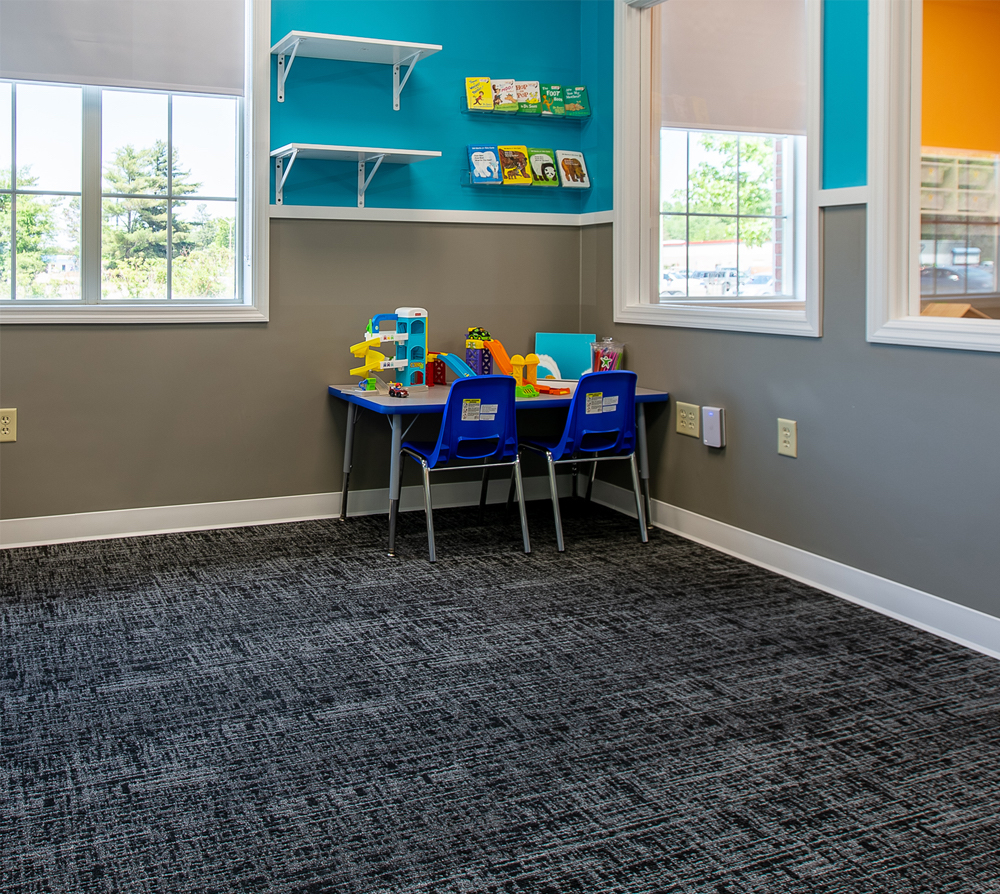
Opening November 24, 2025, the new center located at 719 N Elm St, High Point, NC 27262 will feature the bright, welcoming spaces and natural learning environments that families have come to love at Lighthouse. Every detail, from the colorful therapy rooms to the carefully selected play materials, is designed to make learning fun and meaningful for children with autism.

At the High Point center, families will have access to a full range of services, including:

  • Applied Behavior Analysis (ABA) therapy
  • Speech therapy
  • Autism diagnostic testing
  • Parent support and education
  • Pre-academic learning

This expansion marks an exciting milestone in our mission to bring high-quality autism services to more families. It also creates new job opportunities for therapists, clinicians, and support staff, contributing to both the local community and North Carolina’s growing network of autism care providers.

Growing to Meet Families Where They Are

Earlier in 2025, Lighthouse Autism Center opened its first North Carolina locations in Hickory, Monroe, Statesville, and Smithfield. Now, with the addition of High Point, we’re continuing to respond to the increasing demand for compassionate, evidence-based autism services in North Carolina.

Autism spectrum disorder (ASD) affects approximately 1 in 31 children in the U.S., and the need for quality therapy options has never been greater. At Lighthouse, we’re committed to making sure every child and family can access the care and support they deserve.

“2025 will mark a major milestone for Lighthouse Autism Center with expanding outside the Midwest to North Carolina,” Traci Meador, Director of Special Programs and Expansion Operations, said. “We are thrilled to bring our services to more families, supporting and empowering them along their autism journey. Our commitment to excellence and community-focused care drives us to extend our impact where it is most needed.”

About Lighthouse Autism Center

Lighthouse Autism Center was founded in 2012 by parents of a child with autism — and that personal story still guides everything we do. From one center in Indiana, Lighthouse has grown to become the Midwest’s leading provider of center-based ABA therapy, now serving families across Indiana, Michigan, Illinois, Iowa, Nebraska, and North Carolina.

Our unique Lighthouse Fusion® approach combines ABA and speech therapy in collaborative, play-based sessions led by dually certified BCBA/SLPs. This model helps children make faster progress in communication, social skills, and overall development — all while having fun.

At Lighthouse, we believe every child has incredible potential. Our team is dedicated to helping them shine, one milestone at a time.

Families in High Point and surrounding communities can learn more about enrollment and career opportunities at www.lighthouseautismcenter.com.

PECS and Its Use in ABA Therapy – Lighthouse Autism Center

The picture exchange communication system, or PECS, is a teaching system that can help an autistic child or another individual with speech difficulties improve their communication skills. We take a look at PECS’ role in ABA therapy and unpack how it works.

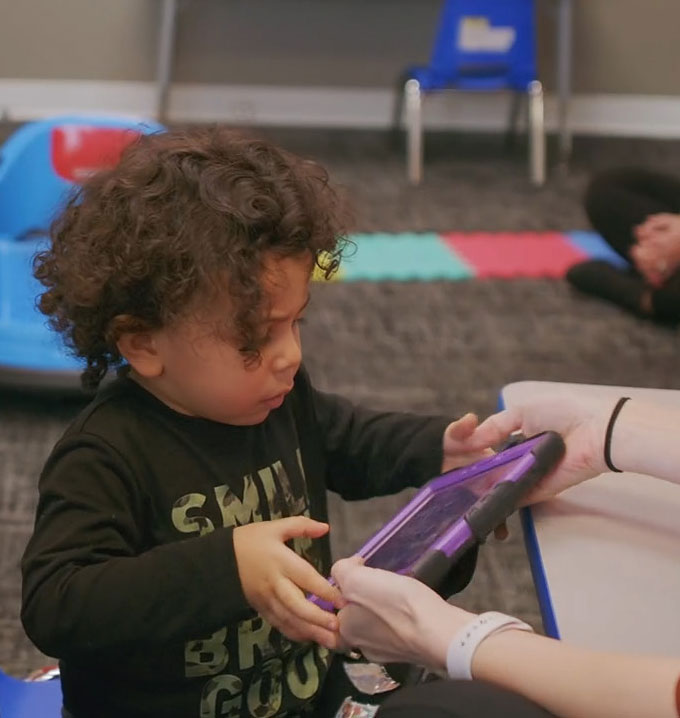
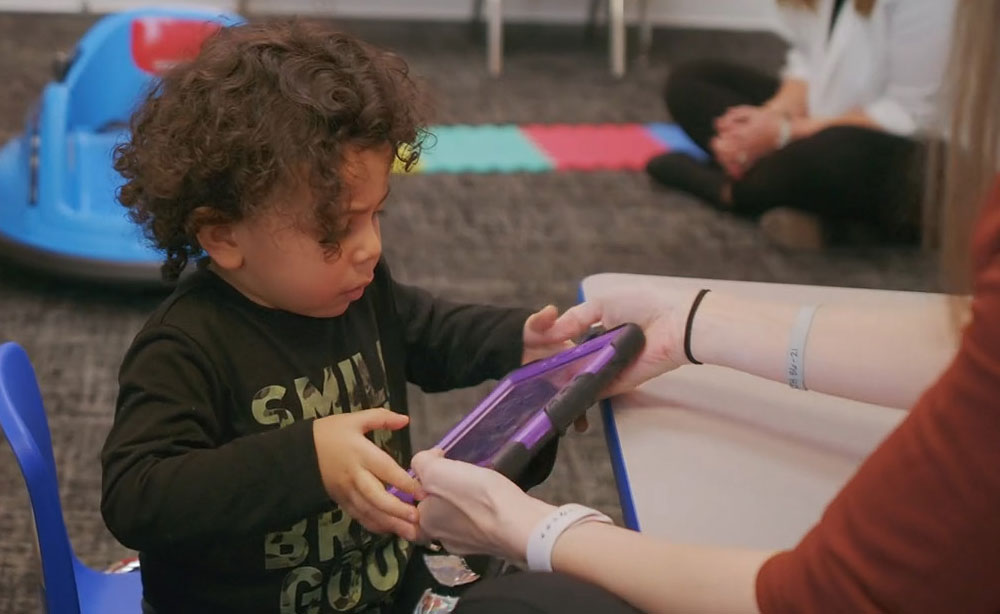
A curly-haired child wearing a black shirt holds a purple tablet

What Is the PECS System and How Is It Used In ABA Therapy?

The Picture Exchange Communication System (PECS) is a teaching system that can help autistic children and other individuals with speech difficulties improve their communication skills. At Lighthouse Autism Center, PECS is one of the tools we use in Applied Behavior Analysis (ABA) therapy to support independence, confidence, and stronger outcomes. Let’s take a closer look at what PECS is, how it works, and the benefits it can provide for children in therapy. 

Picture Exchange Communication System and Its Role in ABA Therapy

Many autistic children have difficulties communicating verbally. PECS provides a structured, evidence-based way to help them express their needs and their wants while reducing frustration and building social connections. In our ABA therapy programs, PECS is used alongside other strategies to promote progress in communication, social development, and daily living skills. 

What Is PECS in ABA?

The Picture Exchange Communication System, or PECS, is a communication system that was developed in the USA in 1985 by Andy Bondy, Ph.D., and Lori Frost, M.S., CCC-SLP, the founders of Pyramid Educational Consultants, Inc. 

This system was introduced to support autistic preschoolers in the Delaware Autism Program. Today, PECS is widely used across the world as a form of picture communication for autism, supporting children and adults with speech or language delays.

PECS is an augmentative and alternative communication (AAC) system that draws on the principles of Applied Behavior Analysis and the work of psychologist B. F. Skinner and his research from the book “Verbal Behavior”, which also forms part of the foundation of verbal behavior therapy used in many ABA programs today. Unlike other methods, such as sign language or pointing systems, PECS was designed to encourage children to initiate communication, not just respond.

How PECS Works

One of the downsides to other programs and methods designed to help those with communication issues, such as sign language and picture point systems, is that they rely on the teacher to initiate communication with a student. This creates a situation where the student learns to only respond in communication and to never initiate it themselves. The main goal of PECS is to help address this by teaching students to communicate more spontaneously using specific prompting and reinforcement strategies and avoiding verbal prompts, as well as improving their functional communication skills. 

Implementing PECS

Whether you are using PECS for autism or other causes of communication-related challenges, it has a specific process that you need to follow.

Complete Reinforcer Sampling

Before the PECS protocol is implemented, it’s important to first complete “reinforcer sampling.” Reinforcer sampling simply refers to the creation of an inventory of activities, toys, or other items that the student likes so that these items can be used as motivators during PECS. 

This inventory is created using an assessment process that can be completed in numerous ways, such as asking caregivers or observing the student, seeing what they choose most and least often, and presenting the learner with pairs of options to see what they like the most. The reinforcers that are chosen will need to be consistently appealing to the learner in order to assist with PECS.

The Six Phases of PECS

These are the six phases of PECS:

Phase 1: How To Communicate

In phase one, the student learns to initiate communication by exchanging pictures for things they really want or activities they want to take part in with a second trainer, who is the student’s communicative partner. (These desirable items and activities were identified during the complete reinforcer sampling stage.)

Phase 2: Distance and Persistence

During phase two, the student learns to use this skill of exchanging a picture to get something they want in different places. They learn to do this by seeking out their communicative partner. They are also taught to initiate communication with other communicative partners using the same system. This is accomplished using different desirable items and activities. 

Phase 3: Picture Discrimination

During phase three, the student is now tasked with asking for two or more of their favorite things, using multiple pictures. These images are stored in a PECS Communication Book, which allows for easy removal and return of images used by the student.

Phase 4: Sentence Structure

In phase four, the student learns to complete basic sentences using what are known as Sentence Strips. These strips begin with an “I want” picture, with the student adding the picture of the item they desire to the strip from the PECS Communication Book. Once the student has demonstrated the ability to make this request, additional detail is added to these statements using descriptors, including the number, color, shape, or size of the object that they want.

Phase 5: Responsive Requesting

Phase five asks the student to engage with the question “What do you want?” and to respond using the skills and tools they learned in phase four. When asked this question, the student must use the Sentence Strips and pictures from their PECS Communication Book to provide an answer.

Phase 6: Commenting

In the final phase of PECS, the student learns to answer other questions such as “What do you see?”, “What do you hear?” and “What do you smell?”. This is done by teaching them to use additional phrases such as “I see,” “I hear,” and “I smell” on their sentence strips, expanding their requests beyond “I want.”

The Benefits of the PECS System for Autism

There are many benefits to teaching using PECS. Here are some of the advantages that come with using PECS with autism therapy:

  • Supporting clearer, more functional communication
  • Encouraging independent initiation of communication
  • Reducing frustration and negative behaviors
  • Building early social skills and relationships
  • Easy to learn for a student’s partner
  • Helping communication partners (teachers, caregivers, peers) understand the child more easily
  • Supporting speech development in some learners

Find Out More About Lighthouse Autism Centers and How We Use PECS

At Lighthouse Autism Center, we provide PECS for autism treatment and to help our students achieve better outcomes. We also provide autism resources so that you can better navigate this spectrum disorder and gain more insight into our Lighthouse Fusion® ABA therapy program and how it can help your child. Contact us to find out more about how we can help.

Together, we can unlock your child’s potential

Smithfield Open House at Lighthouse Autism Center

You’re Invited: Smithfield Open House at Lighthouse Autism Center

We’re excited to announce that Lighthouse Autism Center is officially opening its newest location in Smithfield, North Carolina, and we’d love for you to celebrate with us!

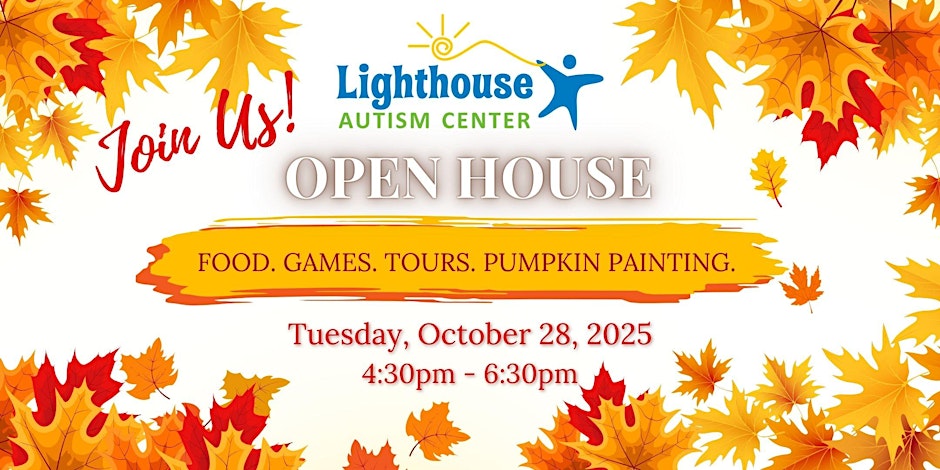
Join us for a community open house on Tuesday, October 28, 2025, from 4:30–6:30 p.m. at our brand-new center, located at 300 South 3rd St., Suite C, Smithfield, NC 27577. The event is free and open to the public, and everyone is welcome.

What to Expect at the Open House

We’ve planned a fun and engaging evening for families, providers, and community members. Activities will include:

  • Pumpkin painting
  • Games for kids and families
  • Food and refreshments
  • Live demonstrations of therapy techniques
  • Guided tours of our new center
  • Meet-and-greets with our clinical leadership and staff

It’s a perfect chance to explore the new center, enjoy some family fun, and get to know the team who will be working directly with children and families in the Smithfield community.

Why This Matters

The need for autism services has never been greater. According to the CDC, 1 in 31 children in the U.S. is diagnosed with autism spectrum disorder, and many families face long waitlists and barriers to receiving timely support.

At Lighthouse Autism Center, we’re committed to changing that. Our Smithfield center will offer diagnostic evaluations for children ages 2–6, helping families get answers during the most critical window for early intervention. Research shows that children who begin therapy earlier often make the greatest developmental gains.

Our Approach: Fusion ABA

We’re especially proud to introduce families in Smithfield to our innovative Fusion ABA model, which integrates speech therapy with applied behavior analysis (ABA). This collaborative approach helps children make faster progress while keeping therapy engaging and fun.

As part of our commitment to the community, we’ll also be partnering with local organizations like the Partnership for Children to connect families with additional resources and support.

A Word from Our Team

“We are thrilled to bring Lighthouse Autism Center to the Smithfield community,” says Maggie Gendel, vice president of business development. “This event is an opportunity for families, providers, and community partners to not only see our beautiful new center, but also to experience firsthand the compassionate care and innovative Fusion ABA model that makes Lighthouse unique.”

Event Details

Where: 300 South 3rd St., Suite C, Smithfield, NC 27577
When: Tuesday, October 28, 2025 | 4:30–6:30 p.m.
Cost: Free and open to the community

Lighthouse Autism Center Opens New Center in Monroe, Indiana!

ABA Therapy Center is Now Open in Monroe, North Carolina

Lighthouse Autism Center (LAC) is excited to announce the opening of a new center in Monroe, North Carolina, on August 11, 2025. This marks another important milestone in our continued expansion, which now spans multiple states and supports hundreds of families across the country. What started as a modest effort to help a few families has grown into a network of centers providing specialized autism services to communities in need.

Our Monroe center offers a wide range of services tailored to the individual needs of children with autism and their families. These services include ABA therapy, the innovative Lighthouse Fusion® ABA therapy approach to speech support, autism diagnostic testing, pre-academic learning programs, and more. Each of these services is designed to promote growth, learning, and independence for children on the autism spectrum.

New Monroe Autism Center to Support Families

We are thrilled to open our newest play-based ABA therapy center in Monroe, North Carolina. This center will provide families in the area with access to essential autism services, delivered in a welcoming and supportive environment. We look forward to becoming an integral part of the Monroe community, supporting families, and helping children with autism reach their full potential.

As we expand into Monroe, we’re proud to offer more than just top-notch therapy—we are also committed to contributing to the local economy by creating new job opportunities. This growth reflects our ongoing dedication to meeting the rising demand for autism services and making a positive impact in the communities we serve.

Lighthouse Autism Center: Leading the Way in Autism Therapy

Lighthouse Autism Center is a recognized leader in the field of autism therapy, known for its child-centered approach and dedication to providing high-quality, evidence-based treatment. Our state-of-the-art centers create a nurturing and dynamic learning environment, where children can thrive through play-based therapy.

One of the key features of our approach is Lighthouse Fusion® ABA therapy, a unique method that integrates speech support directly into a child’s daily ABA programming. This innovative model allows children to make faster progress in speech development, all while engaging in fun and meaningful activities. By blending speech therapy with ABA, Lighthouse Fusion provides more opportunities for speech practice and communication skills throughout the day, helping children unlock their potential more quickly.

We are excited to bring our proven model to Monroe, where we will offer a full spectrum of services, including ABA therapy, speech support, diagnostic testing, and parent support. Our expert team of clinicians is committed to providing compassionate care and ensuring that each child receives the support they need to grow, learn, and succeed.

To learn more about Lighthouse Autism Center in Monroe or to enroll your child, please contact our Family Outreach Coordinator or visit our website. We look forward to joining the Monroe community and making a lasting difference in the lives of children and families affected by autism.

Monroe Center Contact Information

216 N Charlotte Avenue
Monroe, North Carolina 28112

Family Outreach Phone: 704-803-4500

Don’t see an autism center listed near you? Contact us and let us know the area you are in, and we will notify you when we have a center opening near you!

Find a Center Near You

Interested in finding an autism center near you? Click Find a Center below to view a full list of current autism therapy centers.

Lighthouse Autism Center is Expanding with a New Center in Smithfield, North Carolina

Lighthouse Autism Center is opening a second location in Smithfield, North Carolina

Lighthouse Autism Center (LAC) is thrilled to announce the opening of our fourth location in North Carolina in the town of Smithfield, approximately 30 miles southeast of downtown Raleigh. Scheduled to open in October 2025, this new center reflects our commitment to expanding access to high-quality autism therapy services for families across the state of North Carolina.

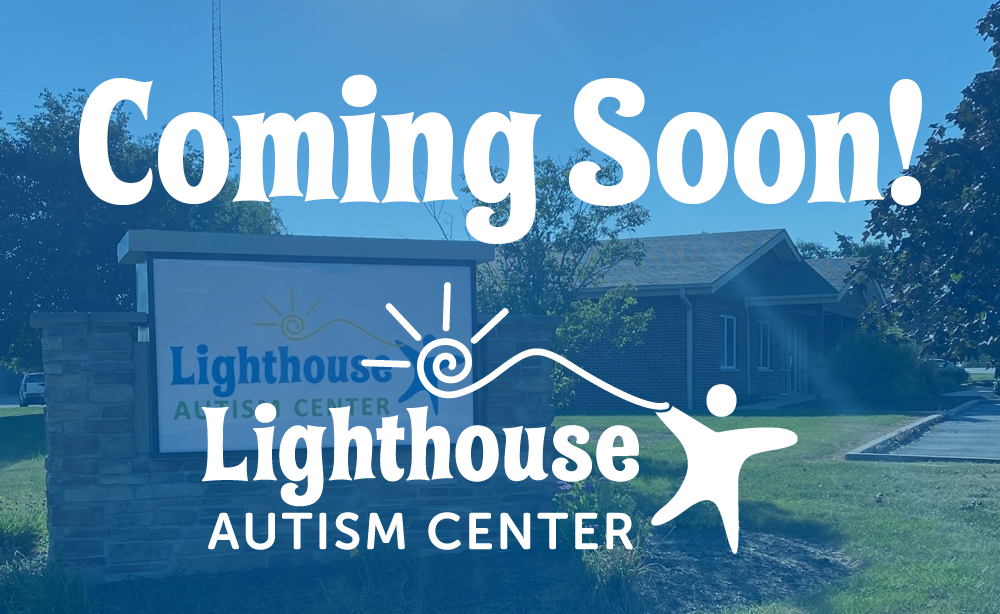
Lighthouse Autism Center overlay ontop of an Autism Center building in the background

From our beginnings serving a small number of families to becoming a trusted name in autism care across multiple states, Lighthouse Autism Center has always prioritized growth with purpose. The addition of this location allows us to extend our reach and help even more children with autism thrive.

Our Smithfield center will offer the same comprehensive and innovative services that families have come to expect from Lighthouse Autism Center. These include:

  • Play-Based ABA Therapy: A child-centered approach that makes learning enjoyable and effective.
  • Lighthouse Fusion®: An innovative therapy model that integrates speech therapy directly into ABA programming, providing more opportunities for meaningful progress.
  • Diagnostic Testing: Comprehensive evaluations to ensure families receive accurate and timely diagnoses.
  • Pre-Academic Programs: Tailored activities designed to prepare children for success in educational settings.

Smithfield Autism Center: Leading the Way in Autism Therapy

Every aspect of our services is designed with individualized care in mind, ensuring that each child receives the tools and support they need to reach their full potential. By opening this new location, we aim to better serve the Smithfield community and provide more convenient access to life-changing autism therapy.

At Lighthouse Autism Center, we take pride in being a leader in autism care. Our team of compassionate professionals is dedicated to creating a nurturing environment where children can grow, learn, and thrive. Our unique Lighthouse Fusion® approach exemplifies our commitment to innovation by combining play-based ABA with speech therapy, enabling children to achieve greater progress in less time.

We are excited to bring these transformative services to the families of Lincoln Indian Village and surrounding communities. By collaborating closely with families and utilizing evidence-based practices, we strive to make a meaningful impact in the lives of children with autism.

Smithfield Center Contact Information

300 South 3rd Suite C

Smithfield, North Carolina 27577

(704) 803-4500

Don’t see an autism center listed near you? Contact us and let us know the area you are in, and we will notify you when we have a center opening near you!

Find a Center Near You

Interested in finding an autism center near you? Click Find a Center below to view a full list of current autism therapy centers.

Overcoming Stereotypes

Autism stereotypes are common and can have significant social consequences for autistic children. Misconceptions hinder the acceptance and inclusion of autistic children. Challenging these stereotypes is vital for creating a more understanding and supportive society.

A cartoon image containing silhouettes of people in front of a rainbow skyscraper.

Challenging Common Autism Stereotypes

When people hear the word “autism,” they often imagine a narrow set of images, like the brilliant but emotionally distant card-counting savant in “Rain Man” or a quiet, withdrawn child lost in their own world. These portrayals have shaped how society sees autism for decades, if not longer, but the reality is far more complex.

Autism is not a stereotype. It’s a spectrum, filled with unique individuals who experience the world in beautifully diverse ways. And while some stereotypes may seem harmless, they can create real barriers for children with autism, limiting how others see them, how they’re treated, and the opportunities they’re given.

At Lighthouse Autism Center, we believe understanding starts with awareness. In this blog, we’ll explore some of the most common myths and misrepresentations about autism, how these misconceptions affect children, and what we can all do to help create a more accepting, inclusive world.

Understanding Common Autism Stereotypes

Autism is often misunderstood, and with that misunderstanding comes a range of stereotypes that don’t reflect the true experiences of autistic individuals. These stereotypical behaviors in autism are widely circulated, but they rarely reflect the full, nuanced picture.

These oversimplified ideas — like assuming people with autism lack empathy or have intellectual disabilities — can actually be deeply harmful. They’re rooted in misinformation, and when left unchallenged, they shape how children with autism are seen, supported, and included. Here are a few of the most common stereotypes of Autism Spectrum Disorder (ASD).

Lack of Empathy 

There is a belief that children with autism lack empathy or are unable to understand others’ emotions. In reality, many children with autism do experience and express empathy, just not always in ways that are expected or even recognized while they’re happening. Social communication challenges may impact how they express or interpret emotions, but that doesn’t mean that empathy isn’t there. Often, it simply looks different. 

Intellectual Disabilities 

The assumption that children with autism have intellectual disabilities is also a prevalent stereotype. While some may have specific intellectual challenges, many have average or above-average intelligence. Autism primarily affects social communication, and intelligence levels vary significantly, just as they do in children without autism.

Savants 

The portrayal of all individuals with autism as possessing exceptional savant abilities is also misleading. While some do exhibit extraordinary skills in specific areas, this does not reflect the entire autism spectrum. Most individuals with autism have a wide range of strengths and challenges, just like anyone else. It’s important to recognize that non-stereotypical autism exists, too. Many children on the spectrum defy these limited portrayals and express themselves in wonderfully varied ways.

Socially Awkward and Withdrawn 

Another stereotyped behavior in autism is that of being socially awkward, withdrawn, or uninterested in social interaction. This is patently untrue. Many people with autism desire social connections and are able to establish meaningful relationships. Some may have difficulties communicating effectively, while others may have excellent communication skills. Just like social preferences vary among all children, they also vary within the autism community.

Rigid and Unchanging 

Another stereotype suggests that all individuals with autism are rigid and resistant to change. While it’s true that children with autism tend to find comfort in routine, preferences for structure and predictability vary greatly, depending on their individual circumstances and where they sit on the spectrum.

Social Consequences of Autism Stereotypes

Society often perpetuates harmful stereotypes about autism that can have far-reaching consequences. The negative impact of these stereotypes manifests in numerous ways, from limiting educational opportunities, fostering employment discrimination, and promoting social exclusion to impeding access to healthcare and support services. Here are some of the most common consequences.

Limited Educational Opportunities 

One of the most significant impacts of autism stereotypes is limited educational opportunities. Stereotypes portray children with autism as incapable of learning or being successful academically, which leads to low expectations from educators, administrators, and peers. These kinds of assumptions often stem from a narrow focus on autism stereotypical behaviors, ignoring the broad diversity within the spectrum. As a result, individuals with autism may be denied access to mainstream classrooms or subjected to inappropriate educational placements, hindering not only their intellectual and social development but also their confidence and sense of belonging.

Social Exclusion and Bullying 

Another major consequence is social exclusion and bullying, robbing children with autism of meaningful relationships and connections while also lowering their self-esteem and damaging their ability to trust others. 

Preconceived notions about social awkwardness or lack of interest in social interaction perpetuate isolation and loneliness. These stereotypes create barriers to forming friendships and participating fully in social activities, leading to a diminished quality of life.

Ignorance about autism and the bullying of individuals with autism are often related. Many times, bullying stems from fear or discomfort, especially from children without autism who don’t understand autistic behavior and respond with derision or cruelty. This seriously impacts children with autism ability to connect meaningfully and has a long-lasting impact on their self-esteem. 

If you feel your child may be a bully who is contributing to the social exclusion of a child with autism, here are some tips on how to overcome stereotypes, build empathy, and encourage kindness: 

  • Educate your child on autism.
  • Teach them about universal acceptance through empathy.
  • Foster tolerance of diversity and difference and teach kindness.
  • Turn them into autism activists through advocacy.

Access to Appropriate Healthcare and Support Services 

Another significant impact of autism stereotypes is the limited access to appropriate healthcare and support services. These misconceptions often paint autism as a defect or something that needs to be “fixed” rather than a natural variation in human neurology. This misguided perception can lead to a lack of appropriate interventions, delaying or denying autistic individuals the support they need to thrive.

Ways to address the negative impact of stereotypes 

Overcoming stereotypes about autism requires a collective effort from individuals, communities, educational institutions, and policymakers. By challenging misconceptions, promoting acceptance, and fostering inclusivity, we can create a more equitable and understanding society for children with autism. Here are a few ways we can all help to overcome these stereotypes.

Education and Awareness

Distributing accurate information about autism is crucial to challenging stereotypes. Educational programs in schools, workplaces, and communities can dispel misconceptions and enhance understanding. Awareness campaigns, workshops, and seminars raise consciousness and debunk stereotypes.

Encouraging Personal Narratives 

Sharing personal experiences and stories from children with autism and their families challenges stereotypes and provides a nuanced understanding. Such narratives humanize the condition, exposing diverse strengths and abilities. Books, blogs, documentaries, and public speaking engagements offer platforms for sharing stories.

Promoting Positive Representation

Media significantly shapes societal perceptions. Encouraging accurate and positive portrayals of autism in films, TV shows, and media challenges stereotypes. Portraying individuals with autism as capable and multifaceted combats misconceptions and fosters inclusivity. The best way to promote positive and accurate representation of autism is by engaging with media, either created by autistic people or where autistic characters are represented by people with autism. We need to move away from allistic portrayals of autism (and away from the “Rain Man” trope entirely).

Advocacy and Support

Active advocacy for the rights and inclusion of children with autism is crucial. Communities, individuals, and organizations can work toward systemic changes, such as inclusive education, employment opportunities, and accessible support services. Amplifying the voices of autism and advocating for their needs helps combat stereotypes.

Building Sensory-Friendly Environments 

Many children with autism have sensory sensitivities. Creating sensory-friendly environments in schools, public spaces, and events promotes comfort and inclusion. This approach reduces anxiety and thereby reduces the chance of the child having to self-regulate with “stereotypical” behaviors that may draw unwanted attention to them.

Building Empathy and Acceptance 

Promoting empathy and acceptance in our communities and households is vital to challenging stereotypes and fostering an inclusive society. Educational programs and workshops focus on understanding and appreciating the unique perspectives and experiences of children with autism.

Engage with the Autism Community 

Actively engaging with the autism community, attending support groups, participating in autism-related events, and listening to their experiences provides valuable insights to challenge stereotypes. Meaningful dialogue and involvement of the autism community in decision-making processes ensure their perspectives are respected.

Access to Healthcare 

Access to specialized healthcare, early intervention programs, and therapeutic services is crucial for the well-being and development of children with autism. By dispelling stereotypes and advocating for equitable access to comprehensive services, every child on the spectrum can receive the necessary resources to reach their full potential.

Break down stereotypes with Lighthouse Autism Center

By implementing these strategies, society can challenge and overcome autism stereotypes. With Lighthouse Autism Center (LAC), you can find many more autism resources to help you advocate for a better understanding of the challenges facing children with autism. And with LAC’s Lighthouse Fusion ABA Therapy, you can prepare your child for the world.

Together, we can unlock your child’s potential

What’s Next After ABA Therapy?

There are a number of reasons why an autistic child might stop ABA therapy, and one is that they have reached their goals. In this article, we take a look at what parents can expect going forward.

A man with gray hair and a beard wearing a red shirt smiling stood holding his son wearing a blue shirt and backpack

What Are the Next Steps After ABA Therapy?

As a parent, you only want what’s best for your child. And, if you’re raising a child with autism, reaching ABA therapy graduation is a significant milestone — not just for your child, but for you as a parent or caregiver. After months or years of structure, support, and steady progress through a program like Lighthouse Fusion ABA therapy, the idea of moving forward can feel both exciting and uncertain.

Once your child has reached their specified ABA therapy goals, it’s time for them to take the next steps in their journey. But it’s important to understand that you and your child won’t be doing this alone. Graduation doesn’t mean the journey ends. Instead, it marks the beginning of a new phase, one where your child continues to grow, develop, and apply the skills they’ve learned in therapy to everyday life.

This blog will provide more insight into ABA goals, the importance of monitoring and tracking achievements, knowing when to stop ABA therapy, and the potential next steps after graduation.

What are the goals of ABA?

Every ABA program begins with an in-depth assessment by a Board Certified Behavior Analyst (BCBA). From here, the program is tailored to suit every child’s individual abilities, preferences, interests, and requirements. Family circumstances and preferences are also taken into account.

ABA therapy goals for autism will also depend on the skill level and age of the child. In general, the following skill areas will be targeted:

  • Language and communication
  • Social abilities
  • Self-care
  • Enjoyment and relaxation
  • Movement
  • Learning and school readiness skills

A goal and treatment program will be designed to develop each of these skills in short, clear, and concise steps. Short-term goals will be set for every session, while long-term goals are the main aim of what the therapist and client are working toward.

When to stop ABA therapy 

How long does ABA therapy last[1] , and how do you know when to stop? These are two of the most common questions we receive from clients who are just starting out with ABA therapy. And we always tell them the same thing. Attending ABA therapy isn’t necessarily a lifelong commitment. It is there to unlock each child’s potential through evidence-based therapeutic approaches in a nurturing and supportive environment. The goal is to prepare your child for the world around them and teach them how to cope so that, one day, they can take a step back and take on their day-to-day lives with greater independence. How long this process takes, however, differs from child to child.

While many children benefit from intensive early intervention[2] , often receiving 30–40 hours per week in their early years, others may need less intensive intervention, opting for services that range from 5–10 hours per week to focus on specific skills.

Over time, therapy may transition to less frequent sessions or focus on specific skill-building as the child gains independence. It is not uncommon for children to be in services for 2–3 years and then fade out over time.

Some individuals continue with ABA-based strategies into adulthood, particularly for social skills, communication, and adaptive behaviors. However, the goal is usually to equip individuals with lasting skills so they can function independently without ongoing therapy.

During treatment, a therapist will collect data during each session and track the child’s progress. They will have regular meetings with parents and might suggest discontinuing ABA therapy in the following cases:

  • The child has met the goals set out for them.
  • They are learning new skills spontaneously from their environment without the need for direct instruction.
  • Parents are able to teach strategies and implement behavior plans at home without the need for a therapist.

A therapist could also recommend that a child stop ABA therapy if they are not progressing over time and other treatments might be warranted, or if there is disagreement with the parents on the treatment plan.

Recognizing progress and achievements

Recognizing progress and achievements is critical when determining whether a child should stop ABA therapy. Therapists will assess if key milestones — including speech and language goals for autism or self-care routines — are being met consistently and independently. This is crucial as children hit new milestones since therapists must reassess and re-evaluate new skill sets and identify areas where improvement needs to be made. 

If there has been significant improvement and development in targeted behaviors and skills, and the child demonstrates consistent and independent functioning across a number of scenarios, then it could indicate that the child is ready to transition to the next step.

Regular assessments and tracking achievements of ABA therapy aren’t just about evaluating skill acquisition but also about determining whether this progress can be maintained over time. To reach a point where continued therapy is no longer necessary, the child must demonstrate that their progress won’t stop when therapy stops and that their newly acquired skills will be carried forward with them. 

Progress, overall development, functional independence, and the ability to retain skills and spontaneously learn new ones are all considered when deciding whether a child should stop ABA therapy.

Potential next steps

It’s critical for professional teams and parents to continually assess whether the goals and strategies of their current ABA therapy align with the child’s evolving needs. In some cases, other support services or interventions may be more appropriate. 

As a child with autism develops and reaches a certain level of skills and achievement in ABA therapy, it could be time to reduce the intensity and frequency of the therapy. In this case, your child might transition to less intensive support and gradually decrease the number of therapy sessions that they attend. It could also simply mean moving from one-on-one therapy to a group support system or maintaining skills across various natural environments.

As your child nears graduation, your clinical team will continue to monitor how well therapy goals align with their evolving needs. New challenges may emerge, and some of the ABA goals for autismmay be replaced with new objectives related to school readiness, self-advocacy, or social interaction.

A major goal for many children with autism is transitioning from ABA therapy back into school[1] . This may include classroom preparation, peer interaction practice, and refiningbehavior goals for children with autism that are appropriate for group settings. In order to prepare for this transition, our therapists will try to mirror an individual’s school day as closely as possible. Communication with teachers and parents allows them to create scenarios like circle time, independent work time, snack time, and more.

They will work on teaching your child classroom etiquette, such as raising their hand and waiting for their teacher to call on them. Working on social skills, such as saying “my turn to talk,” when to let other children talk, or learning how to express their feelings effectively, is essential when going into what can be an overwhelming classroom environment.

It’s important to continue providing children with the tools they need for the classroom even after they have arrived. Feedback from parents and teachers can help us to recognize where your child is thriving and where they need more support.

Ultimately, we want to be able to bridge the transition between ABA therapy and whatever path comes next for your child with as little disruption as possible.

Take the Next Steps with Lighthouse Autism Center

Our clients come before anything else, and we are always thrilled when they meet their goals and can move on to the next step from ABA therapy. However, we are also invested in ensuring that the journey ahead is as smooth as possible by equipping children with autism and their parents and caregivers with the right tools and autism resources

Armed with the knowledge and strategies from LAC, caregivers and parents can create a nurturing, supportive environment for autistic children that fosters growth and continues to empower them once they have graduated from ABA therapy.

Together, we can unlock your child’s potential

Do Babies with Autism Smile?  

We take a look at the importance of early intervention, some of the milestones for parents to look out for, and the more common signs of autism in babies. 

A baby in a beige outfit laying on a rug looking up smiling.

Do Babies with Autism Smile?

Watching your baby grow is an exciting time, certainly one of life’s quiet wonders. From those first sleepy stretches to the moments they start to smile back at you, the small moments turn parenting into a gift. As a parent or caregiver, you have a direct line of sight to your child’s development and are often the first to notice the small shifts that signal new skills.

While every baby develops at their own pace, some differences can raise early questions about their developmental path. In particular, many parents wonder: Do babies with autism smile? And if so, how might that smile look different from what’s expected?

In this blog, we’ll explore the role of smiling in infant development, how babies with autism may express joy and connection differently, and which early signs may point to autism, all with the goal of supporting early understanding and informed next steps.

Why Smiling Is An Important Part of Infant Development

Smiling is one of the earliest ways babies start to communicate with us. Typically, infants will start smiling at around six to eight weeks old, often in response to comforting voices, a gentle touch, or familiar faces. By four months old, most babies will start to share their smiles socially, responding to your smiles, laughter, or attempts to engage with them.

These early smiles are both incredibly heartwarming and a sign that your baby is beginning to connect emotionally and socially with the world around them. Social smiling helps build bonds with parents and caregivers, encourages interaction, and supports the development of more complex communication skills later on.

Delays in smiling, especially social smiling, can sometimes be early indicators of developmental differences, including autism. Recognizing those differences early on can be key to understanding your child’s unique needs.

Babies with Autism Do Smile – Just Not Always How You Would Expect

A common misconception about autism is that babies with autism don’t smile. They do — but their smiles may appear less frequently, come at unexpected moments, or not seem directly tied to social interaction. While many allistic (non-autistic) babies smile readily in response to their parents’ faces or voices, babies with autism might smile more often during solitary play or in response to specific sensory experiences.

This difference is often related to how children with autism process social cues. A lack of social smiling (meaning your baby doesn’t smile back at you or engage with your attempts to connect) can be one of the first signs of autism in babies[1] . But it’s important to remember that this doesn’t mean your baby isn’t happy or content. Their way of expressing joy or interest might simply look different.

Rather than focusing on the absence of a single behavior, it’s more helpful to look at the full picture of your baby’s development and how they interact with the people and world around them.

The Importance of Observation and Early Diagnosis for Autism

Noticing when a baby smiles (and how they do it) is just one piece of a much larger developmental picture. That’s why early observation and intervention are so crucial[2] . They help you identify signs a baby has autismearly and seek out the support your child (and the rest of your family) will need in the coming years.

According to the Centers for Disease Control and Prevention reports, most parents will notice early signs of autism within the first year of their child’s life, and 80 to 90% will pick up developmental differences by the time their child is two years old. 

 As a parent or caregiver, you’re in the best position to recognize these early cues. You have a front-row seat to their day-to-day life and have unique insight into their daily behaviors and interactions. You will likely be the first person to notice any developmental milestones or early signs of autism in your child.

Early diagnosis and intervention allow professionals to begin working with children with autism during a critical window of brain development. Therapists often emphasize that the earlier support begins, the more effective it can be. This is especially true for comprehensive programs like Lighthouse Fusion ABA therapy.

Research clearly shows that early intervention is critical for improved outcomes in skills development. It also helps reduce the challenging behaviors that hinder children with autism in social and educational settings.

Neuroplasticity is higher in young children, which means that their brains can more easily change and adapt to their experiences. Intervention at an early age offers a better chance for a child with autism brain development to be positively influenced by therapy. Therapists can help create and shape new positive neural pathways that benefit the child and their parents or caregivers.

While smiling is one possible signpost, there are many other milestones that can help paint a fuller picture of your child’s development.

Other Developmental Milestones As Early Indicators of Autism

There are several developmental milestones in a child’s early years. These are some of the most important milestones to look out for.

Verbal Communication

Some children with autism are non-verbal communicators and won’t develop the same verbal communication in infancy as allistic infants. A baby will start to gurgle and make noises early on and could start to say words like “mama” from six to 12 months. However, 16 months is the usual limit for a single word, and they should know two-word phrases by age two.

Gesturing

By six months old, infants should have a broad range of movements. They should be reaching for things, leading, or pointing. Mimicking your gestures, like kisses, is also expected.

Fine and Gross Motor Skills

Grip strength and finger and wrist movements are fine motor skills, while larger body movements like walking, running, and balance are gross motor skills. These are all important milestones.

Crawling

Crawling is a hugely significant milestone as it requires coordination and balance. Children should be able to crawl by 12 months and walk by 18 months.

What Are the Signs of Autism in Babies?

The milestones above will start to develop between six months and one year old, but it’s also important to keep in mind that all children develop at different rates. One of the following on its own is not a sign of autism in a newborn, but if your baby shows a few of the symptoms, then it’s worth going to a doctor for an assessment.

Some early signs of autism in babies include:

Lack of Social Smiling

Babies with autism smile but may not smile as much as babies without autism. Typically, a baby will smile back at you as early as six weeks, but certainly by four months. Children with autism tend to lack social smiling in response to your gestures.

Lack of Eye Contact

Babies like to make eye contact from a very young age. This allows them to mimic their parents or caregivers, and it’s interesting for them. Babies with autism may not make eye contact.

Not Responding to Their Name or Attempts To Engage

Most babies will respond to their name by nine months, while they should respond to attempts to engage them much earlier on. Babies with autism may not share these milestones.

Lack of Social Anticipation

Babies without autism can usually anticipate social interactions. For example, they might lift their arms in anticipation of being lifted out of their cribs or laugh or cry in response to peek-a-boo. It’s worth looking into if your child is not anticipating these kinds of social interactions by about nine months.

Limited Eye Tracking

Eye tracking is another vital marker. Babies should follow their favorite toy if you move it around in front of them, or they should visually track your movements.

No Social Babbling and Limited Verbal Communication

Babies are highly social beings, and they will babble to themselves and you while learning to talk. Babies with autism can be slow to verbalize or might babble at a young age, but this could stop after a certain point. 

Fixations

Children with autism tend to develop fixations on particular subjects or textures when they are older. Babies might develop fixations on unusual objects like fans or certain parts of a toy. They could also fixate on ceiling or floor patterns. 

Sensory Sensitivity

Children with autism tend to have sensory issues that can become more apparent as they grow up, but even babies can display sensory sensitivities that might be a sign of neurodivergence. This usually includes signs of distress like hand waving, covering their ears, and more. While this differs between individuals, it usually includes sensitivity to bright lights, certain noises, smells, and more.

On the other hand, a baby with autism could have hyposensitivity in some areas, which means that they are under-responsive to certain stimuli. These sensory differences are just one example of how autism symptoms in babiescan vary widely, reinforcing the importance of early observation.

Get the Quality of Life Your Child Deserves with Early Intervention Therapy at LAC

At the Lighthouse Autism Center, we fuse the best speech and ABA therapy practices to create a unique clinical model that delivers outstanding results for children with autism. Combined with the vast array of autism resources at your disposal, LAC offers the best chance for the future that your child deserves.

References:

https://www.goldenstepsaba.com/resources/do-babies-with-autism-smile
https://www.totalcareaba.com/autism/do-babies-with-autism-smile
https://blueabatherapy.com/aba/do-babies-with-autism-smile-yes-but-differently/


Together, we can unlock your child’s potential

Lighthouse Autism Center Staff Spotlight: Tori Albertus

Tori joined LAC as a Team Lead on April 1, 2024. Prior to her current role, she served as an RBT Training Coordinator. She is currently pursuing a Bachelor of Science in Psychology at the University of Nebraska at Kearney and plans to continue her education with a Master’s in Applied Behavioral Analysis. Outside of work, Tori enjoys listening to music, going on walks with her dog, visiting the library and local farmer’s markets, and is always on the lookout for the perfect mocha latte at local coffee shops.

This Month’s Lighthouse Legend: Tori Albertus

What made you decide to apply to Lighthouse?

I was drawn to Lighthouse because of the type of therapy Lighthouse offers to its learners. I loved the idea of play-based therapy, assent-based care, and the infusion model with speech therapy. I had little exposure to this type of treatment and was excited to learn a different approach to ABA. I took the RBT TC position because I enjoy training staff, and I am a firm believer that RBTs should receive the best training they can get, so the treatment we deliver to our learners is the best we can give!  

What is your favorite part of working at Lighthouse Autism Center?

My favorite part about working for Lighthouse is knowing that we are giving quality care to our learners. The training for both RBTs and BCBAs goes above and beyond, and so does the true implementation of LAC values from staff. I also love the environment of the clinic I work at. Our team is so dedicated to our learner’s success, while also making sure to look out for each other on those difficult days.  

How would you describe your experience working for Lighthouse?

My overall experience working for Lighthouse has been great! Lighthouse offers a variety of positions and chances to progress in your career with ABA. I started as an RBT Training Coordinator and later decided I would like to learn more about being a Board-Certified Behavior Analyst and working through the creative process of individualizing treatment for every learner. I decided to apply for the position of Team Lead, and I am now learning more about ABA than I ever could have thought! This new position has been so rewarding. The support from our clinic’s BCBAs and staff has been unmeasurable, and I could not be more grateful for the team of people I get to work with every day.  

Do you have a favorite memory from your time here?

My favorite memory from my time with Lighthouse so far was getting to celebrate our first 2 RBTs at Lincoln South passing their exam. This was my first time prepping and training RBTs to take their exam, so seeing their success and excitement was incredibly rewarding.  

What advice would you like to share for those interested in a career at Lighthouse Autism Center?

If you love kids, collaboration, and a fast-paced work environment, you will love working at Lighthouse! The kids never fail to put a smile on your face every day, and the pride you get from knowing the treatment you are giving is quality care is amazing. Days can get hard, but your team will always be there to help you out!  

Ready for a career where you can make a difference?

2025 Autism Acceptance Scholarship Winner: Layah Clinton

Honoring a Future Mental Health Advocate from North Carolina

Lighthouse Autism Center is proud to announce Layah Clinton as the winner of the 2025 Autism Acceptance Scholarship. A dedicated psychology major at the University of North Carolina Chapel Hill, Layah embodies a passion for mental health advocacy and a strong commitment to creating lasting change for underserved communities, including individuals and families affected by autism in North Carolina.

A Calling Rooted in Compassion and Community

Layah’s journey into mental health began in her sophomore year of high school when she took her first psychology and sociology class. What she discovered was startling. Among children living below the federal poverty line, only 14 percent receive adequate mental health care. This stark reality struck a chord and has shaped her personal mission ever since.

Through volunteering at tutoring programs and food pantries in lower-income communities, Layah quickly recognized a troubling gap between academic knowledge and real-world access to care. She saw firsthand that textbook treatments for mental health often do not reach those who need them most, especially children living in poverty. Her experiences led to a deep understanding that intangible needs like emotional support and mental wellness are just as critical as food and clothing.

Inspired by Lived Experience

Layah’s commitment to mental health is personal. She shared the story of a young boy from her church whose father passed away from cancer. The family could only afford two therapy sessions. That limited support failed to address the grief and emotional pain the child was facing. This moment solidified Layah’s resolve to make mental health care more accessible and equitable, particularly for children from marginalized communities.

Her empathy grew into action. As a mentor, Layah has provided a safe space for peers and younger children to talk, reflect, and receive encouragement. Her goal is to help adolescents build coping skills to face life’s challenges in a healthy, sustainable way.

Research and Advocacy with Impact

In 2024, Layah served as a research scholar for the Baltimore City Government, Maryland Philanthropy Network, and the Middendorf Foundation. She helped uncover systemic inequities in grant distribution between larger nonprofits and smaller, minority-owned organizations. Her published findings and policy recommendations demonstrated her ability to turn research into advocacy. This is a skill she now aims to apply in the field of mental health.

Layah believes this experience, while outside the traditional healthcare setting, revealed important insights into accessibility and equity. These are issues that also affect families navigating autism services across North Carolina and beyond.

Looking Ahead: A Future Psychiatrist Serving Underserved Communities

As an active member of the UNC chapters of the National Alliance on Mental Illness and the Minority Association of Pre-Health Students, Layah is building the foundation to become a psychiatrist. Her vision is clear. She wants to provide accessible mental health care and support for underserved and underrepresented communities, with a particular interest in the social determinants of mental health and chronic illness.

At Lighthouse Autism Center, we are thrilled to support a student like Layah. She is not only passionate about psychology and autism support but also determined to address the structural barriers affecting mental healthcare. Her work resonates with our mission to bring hope and transformation to families and children with autism in North Carolina and throughout the region.

Celebrating Autism Acceptance and Educational Equity

The Autism Acceptance Scholarship exists to celebrate students who are dedicated to autism awareness, acceptance, and inclusion. Layah Clinton exemplifies what it means to be a compassionate leader and future change-maker. Her story serves as a reminder that creating a better future for individuals with autism starts with ensuring that every child, regardless of income or background, has access to the mental health services they deserve.

Congratulations to Layah. Your voice, vision, and values represent the future of mental health and autism care.

Learn more about the LAC’s Scholarship

Lighthouse Autism Center Opens New Center in Hobart, Indiana!

ABA Therapy Center is Now Open in Hobart, Indiana

Lighthouse Autism Center (LAC) is excited to announce the opening of a new center in Hobart, Indiana, on May 14, 2025. This marks another important milestone in our continued expansion, which now spans multiple states and supports hundreds of families across the country. What started as a modest effort to help a few families has grown into a network of centers providing specialized autism services to communities in need.

Our Hobart center offers a wide range of services tailored to the individual needs of children with autism and their families. These services include ABA therapy, the innovative Lighthouse Fusion® ABA therapy approach to speech support, autism diagnostic testing, pre-academic learning programs, and more. Each of these services is designed to promote growth, learning, and independence for children on the autism spectrum.

New Hobart Autism Center to Support Families

We are thrilled to open our newest play-based ABA therapy center in Hobart, Indiana. This center will provide families in the area with access to essential autism services, delivered in a welcoming and supportive environment. We look forward to becoming an integral part of the Hobart community, supporting families, and helping children with autism reach their full potential.

As we expand into Hobart, we’re proud to offer more than just top-notch therapy—we are also committed to contributing to the local economy by creating new job opportunities. This growth reflects our ongoing dedication to meeting the rising demand for autism services and making a positive impact in the communities we serve.

Lighthouse Autism Center: Leading the Way in Autism Therapy

Lighthouse Autism Center is a recognized leader in the field of autism therapy, known for its child-centered approach and dedication to providing high-quality, evidence-based treatment. Our state-of-the-art centers create a nurturing and dynamic learning environment, where children can thrive through play-based therapy.

One of the key features of our approach is Lighthouse Fusion® ABA therapy, a unique method that integrates speech support directly into a child’s daily ABA programming. This innovative model allows children to make faster progress in speech development, all while engaging in fun and meaningful activities. By blending speech therapy with ABA, Lighthouse Fusion provides more opportunities for speech practice and communication skills throughout the day, helping children unlock their potential more quickly.

We are excited to bring our proven model to Hobart, where we will offer a full spectrum of services, including ABA therapy, speech support, diagnostic testing, and parent support. Our expert team of clinicians is committed to providing compassionate care and ensuring that each child receives the support they need to grow, learn, and succeed.

To learn more about Lighthouse Autism Center in Hobart or to enroll your child, please contact our Family Outreach Coordinator or visit our website. We look forward to joining the Hobart community and making a lasting difference in the lives of children and families affected by autism.

Hobart Center Contact Information

295 S Wisconsin St, Suite A

Hobart, Indiana 46342

Family Outreach Phone: 574-387-4313

Don’t see an autism center listed near you? Contact us and let us know the area you are in, and we will notify you when we have a center opening near you!

Find a Center Near You

Interested in finding an autism center near you? Click Find a Center below to view a full list of current autism therapy centers.

Translate »