


Holiday Cooking Activities That Encourage Participation
Holiday Cooking Activities That Encourage Participation
The holidays offer a warm, sensory-rich environment full of familiar smells, special routines, and family traditions. For many families of children with autism, though, this season can also bring new challenges like changes in schedule, busy environments, or unfamiliar sensory input. Cooking and baking together can be a wonderful way to bring calm, structure, and joyful connection into this time of year.
With the right approach, kitchen activities become more than a task; they can support communication, fine motor skills, sensory exploration, and social engagement. Here’s how families can make holiday cooking and baking inclusive and supportive for children on the autism spectrum.

Creating a Sensory-Friendly Kitchen Environment
Holiday cooking often comes with strong smells, loud noises, and lots of activity. These elements can feel overwhelming for a child with sensory sensitivities. Start by preparing the space ahead of time. Consider limiting competing noise like music or the TV, and allow your child to wear noise-cancelling headphones if needed. Let them explore ingredients at their own pace so they can become textures, temperatures, and scents before jumping into the activity.
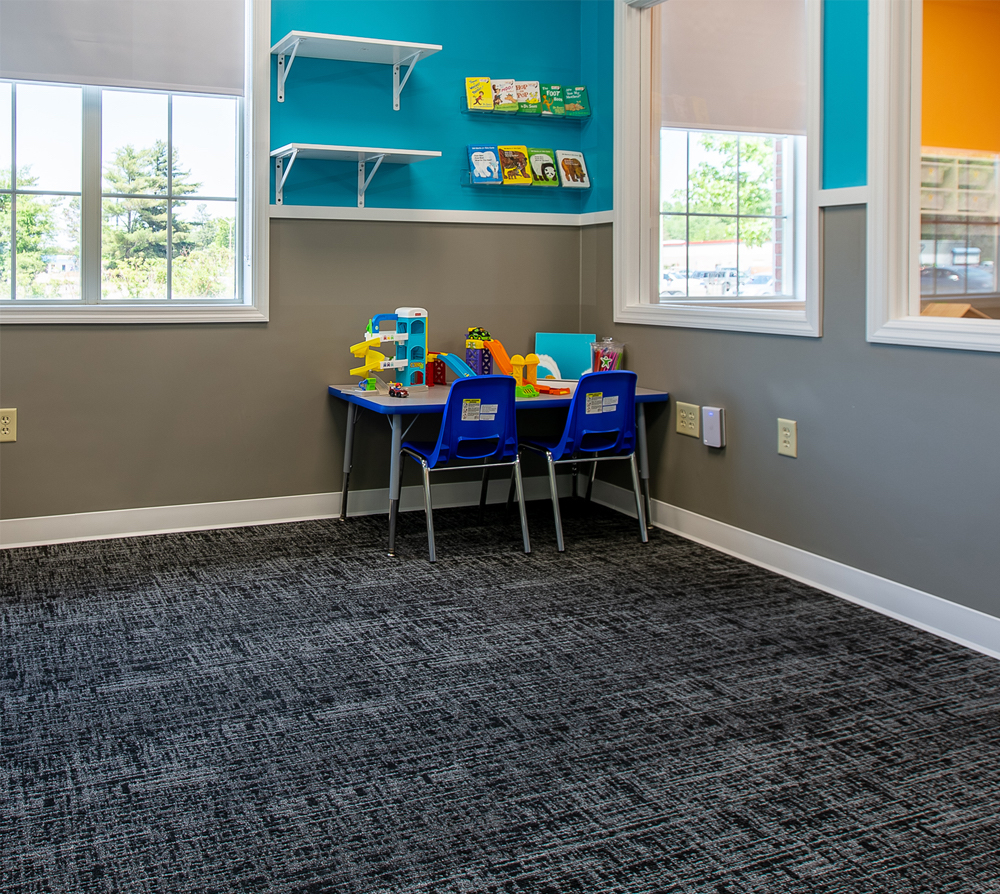
It can also help to set up a designated “cooking spot” with clear boundaries. A small workstation, such as a section of the counter or a child-sized table, creates predictability and reduces the feeling of chaos. Having familiar sensory tools nearby, like a fidget toy or weighted lap pad, can help your child regulate if the environment becomes too stimulating.
Choosing Simple, Visual Recipes
Many children with autism respond well to visual supports, which makes visual recipes incredibly helpful. Choose recipes with step-by-step images or create your own using photos or icons. These visual guides help your child understand what to expect and reduce frustration or confusion.
Start with simple holiday favorites like sugar cookies or Rice Krispie treats. When recipes are predictable and easy to follow, children feel more confident and in control. Over time, you can gradually introduce new steps or more complex recipes as your child becomes more comfortable in the kitchen.
Encouraging Hands-On Participation
Holiday baking offers a wide range of sensory-friendly tasks that your child can help with, such as pouring, mixing, pressing cookie cutters, sprinkling toppings, or rolling dough. These activities naturally support fine motor development and provide structured sensory input that many children enjoy. For children who are hesitant to touch certain textures, provide options like gloves, spoons, or spatulas to give them a comfortable way to participate.
Remember to celebrate each step, no matter how small. Participation may look different for every child, and that is perfectly okay. Some children may want to do every part of the recipe, while others may prefer one predictable job. The goal is engagement and positive experiences, not perfection.
Celebrating Results Together
Once the baking is done, spending time enjoying the finished treats reinforces the full sequence of the activity. You can create a small “taste testing” tradition, package baked goods as gifts, or let your child proudly share their treats with family members or friends. These moments support social skills, communication, and a sense of accomplishment.
If your child prefers not to eat certain foods due to sensory sensitivities, that’s completely okay. Celebrating can still happen. Displaying their decorated cookies, gifting homemade treats to neighbors, or taking pictures together can help strengthen pride and connection without requiring them to taste anything they’re uncomfortable with.
Supporting Your Family Through Every Holiday Season
Planning meaningful, sensory-friendly holiday activities for your child can feel overwhelming, but Lighthouse Autism Center is here to help make those moments easier. Through Innovative programs like Lighthouse Fusion ABA Therapy and the many autism resources available on our website, we aim to support families in creating joyful, engaging experiences both during the holidays and throughout the year.
Related News

04/28/2026
Lighthouse Autism Center Opening in Goldsboro, North Carolina this Summer
Lighthouse Autism Center Opening in Goldsboro, North Carolina this Summer Lighthouse Autism Center (LAC) is excited to announce the opening of a new autism therapy center in Goldsboro, NC at the end of this summer. This marks the eighth location in North Carolina and reflects the continuous expansion in the east coast and serves the families in need of high-quality autism services. LAC’s new Goldsboro location will expand access to Applied […]
04/01/2026
Autism Acceptance Month: Turning Awareness Into Action
April is Autism Acceptance Month—a time to move beyond recognition and focus on what it really takes to create a more inclusive, supportive world for autistic individuals and their families. At Lighthouse Autism Center, acceptance is something we practice every day. It shapes how we support children, partner with families, and show up in our […]
02/19/2026
Lighthouse Autism Center is Opening in Rocky Mount, North Carolina this June
Lighthouse Autism Center (LAC) is excited to announce the opening of a new autism therapy center in Rocky Mount, North Carolina, located at 110 Enterprise Dr., Rocky Mount, NC 27804. The center is scheduled to open in late June and will serve families throughout Nash County and the surrounding communities. This marks Lighthouse’s sixth location […]
