
Autism Tips for Parents: Personal Hygiene

Teaching self-care skills to autistic children presents a number of challenges, as things like bathing and skin care might feel overstimulating or simply not preferred to those on the spectrum. By breaking grooming down into small, manageable steps, and teaching skills early, you can equip your child with the tools they need. 

A child stood looking into a mirror by the sink in a bathroom with a tap running brushing her teeth

Autism Tips for Parents: Teaching Personal Hygiene & Self-Care Skills

Teaching self-care skills to children with autism spectrum disorder (ASD) presents a unique set of challenges, as things that feel good to allistic people, such as bathing and skincare, might feel overstimulating to autistic folks. As your child reaches adolescence, the importance of personal hygiene and appearance becomes even more significant. By breaking grooming down into small, manageable steps, and starting early, you can equip your child with the tools they need to move through life. 

Why autistic children undress

It’s not uncommon for children to remove their clothing, both at home and in public, but parents of autistic children tend to have a more challenging time resolving this issue. This isn’t simply a style preference or the dislike of a certain color or garment, though it might be; people with autism are more likely to have an actual clothing sensitivity. If your child is complaining about an irritating seam, uncomfortable fit, or itchy fabric — or if they’re having tantrums or meltdowns when wearing certain clothes — it’s likely caused by a sensory sensitivity. 

This might be frustrating for parents, but it’s important to remember that your child is not being overly dramatic. Their brain is reviewing an overload of signals about the item they are wearing, making it difficult to focus on anything else. In some cases, it can be downright painful. 

Once you understand the reason for clothing removal, you can implement some practical strategies for solving the issue and providing your autistic child with the skills they need. 

How to resolve it

Your child is already dealing with extreme discomfort, so it’s important to be patient and understanding. Rather than forcing a particular item of clothing, offer them one or two choices — each with a different fabric or fit. This allows them to be in control of the situation, which already makes them more willing to deal with discomfort as they have chosen the item themselves. 

What you can do is provide sensory-friendly clothing. They might dislike jeans because they are too stiff or a certain sweater because it makes them itchy. Instead, get to know their particular sensitivities and provide a selection of clothing in soft, comfortable fabrics, avoiding possible irritations like lace or constrictive garments. Consider seamless socks and underwear, tag-less shirts, buttonless pants, and hypoallergenic fabrics. 

Help resolve sensory issues over time with tools like sensory bins or the tailored techniques recommended during Lighthouse Fusion® ABA therapy. 

Autism and self-care

With autism, hygiene and self-care can present a number of challenges. Sensory issues can make washing and grooming uncomfortable, which may make bath time very challenging for parents. Address hygiene issues with these simple steps. 

Develop a routine

Autistic folks tend to respond well to rituals and routines, which makes this the most effective way to teach cleanliness. Implement a morning and evening grooming routine early and be consistent with it to encourage predictability and familiarity as your child ages. Autistic children also tend to learn best by doing rather than watching or listening, so a visual schedule containing both pictures and written instructions can help make these essential life skills for those on the autism spectrum much easier while encouraging self-care and independence. Of course, as children move into adolescence, a new routine will need to be established, and the process will need to be repeated. 

Keep supplies organized and within reach

Create a laminated checklist with each step clearly displayed. Pictures of your child (or even of their favorite character or a sibling) performing each step make the checklist clear and fun. Videos can be great models too! Place the checklist where they can easily see it, like on the bathroom mirror.  

Next, place all the tools and products they’ll need for their grooming rituals in an easily accessible box — one for the morning and one for the evening. Again, give your child a variety of fragrances and textures to choose from. Once they’ve found their favorite toothpaste, soap, and other grooming products, go ahead and number each product in the order of use. Remember, aversions may occur to certain fragrances and textures, so opt for unscented, natural products if that is a concern. 

A morning routine may look something like this: 

  1. Use the toilet 
  1. Wash hands 
  1. Wash face with soap 
  1. Rinse with water 
  1. Dry with towel 
  1. Apply moisturizer 
  1. Get dressed 
  1. Brush hair 
  1. Eat breakfast 
  1. Brush and floss teeth 

Remember, if this feels overwhelming, you can always break the steps down further. Little ones might need a separate ritual for getting dressed and doing their hair. 

Use rewards 

Let’s be honest — most children don’t enjoy brushing their teeth! Even so, autistic people may not experience the same relief that allistic (non-autistic) people experience when engaging in self-care, which makes it important to provide a strong motivator and reward for the completion of essential tasks. When a child strongly dislikes a particular task, it’s best to break it down into micro-tasks and reward each step. You can offer toys or extra playtime, for instance. 

When your child gains more independence or acquires more tolerance, you can slowly begin fading out rewards. It’s important to do this slowly as they make progress to avoid dependence on particular outcomes. 

Create social stories

Social stories are brief descriptions of a particular situation, activity, or event that describe what to expect in that situation, why it is that way, and how to respond appropriately. This presents information in a literal way, preparing children and giving them the chance to rehearse so that they are not overwhelmed by new experiences. 

With autism, some skills may be harder to pick up than others — self-care is one such instance where your child may struggle without appropriate guidance. Social stories can help explain the importance of personal hygiene, teach appropriate behaviors, and demonstrate how to respond should they feel the need to remove their clothing, for instance. Find a children’s book that displays this accurately, or create your own social situations relating to grooming using simple, straightforward language — you can also add pictures to make it more interesting. 

Overcome the challenges with the help of Lighthouse Autistic Center

Discover more helpful autism resources, or work with our team of professionals who provide tailored support to the entire family, offer guidance on navigating insurance, and equip both you and your child with the skills needed for continuous progress. 
Together, we can unlock your child’s potential

Lighthouse Autism Center Staff Spotlight: Laura

Laura’s Lighthouse Autism Center Journey

Laura is a Lead Registered Behavior Therapist at our Goshen center and has been with Lighthouse Autism Center since December of 2022. Prior to her current role, she was a level 1 RBT, then a level 2 RBT, working her way up to a Lead Therapist though LAC’s Level-Up Program! She graduated from Trine University with a degree in Psychology and Criminal Justice. Laura is a dog mom who loves to knit, read, and garden.

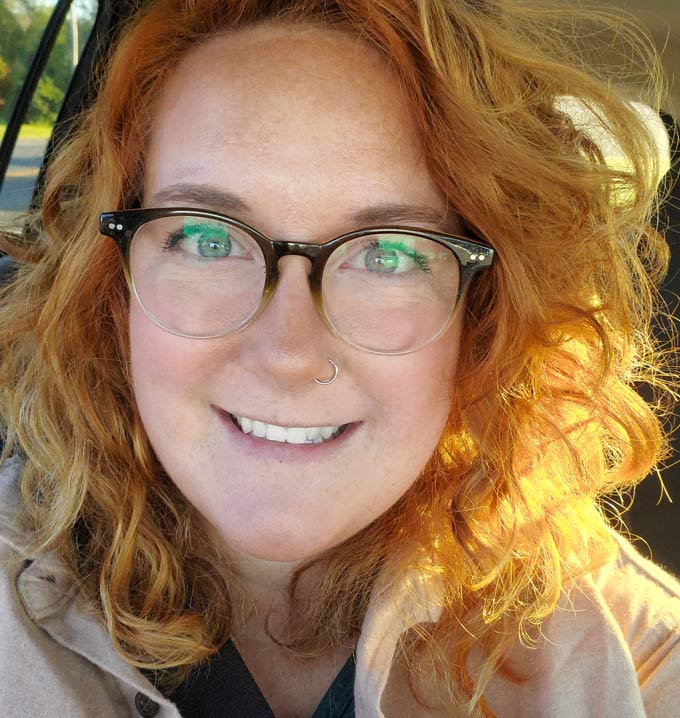
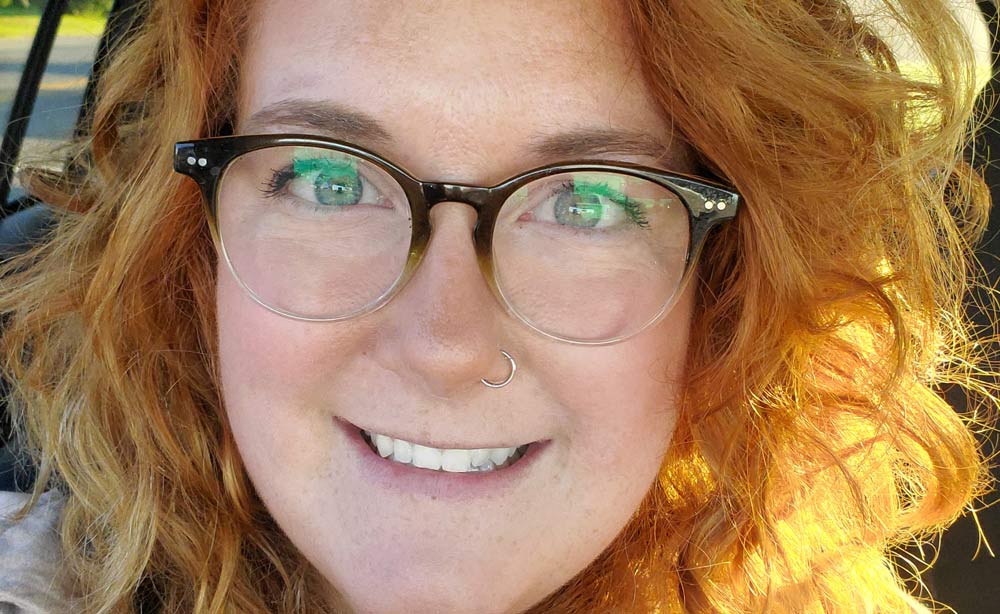
A selfie of a Lighthouse Autism Center employee smiling with auburn hair and glasses

What made you decide to apply to Lighthouse?

I applied at Lighthouse because I have been interested in Autism Spectrum Disorders since I substitute taught in the Special Education department and loved every minute of it. I thought that Lighthouse would be a great place to get my feet wet so to speak.

What is your favorite part of working at Lighthouse Autism Center?

I really love working with all the learners. They are all so unique in their own ways and figuring out how to turn their individual motivations into teachable moments is really rewarding for me.

How would you describe your experience working for Lighthouse?

I really like working at an ABA center that focuses on the employees’ well-being. Mental health fields of work can be mentally draining for employees and Lighthouse really focuses on making sure we have help if we need it.

Do you have a favorite memory from your time here?

My favorite memory at Lighthouse was the time a learner’s face lit up at seeing me because they were excited to work with me. It’s just so great to see the joy we can add to the day.

What advice you would like to share for those interested in a career at Lighthouse Autism Center?

Just apply! You never know a job until you start and that’s the 1st step.

Ready for a career where you can make a difference?

Lighthouse Autism Center Staff Spotlight: Carley

Carley’s Lighthouse Autism Center Journey

Carley is a Clinical Apprentice at our Springfield center and has been with Lighthouse Autism Center since November of 2020. Prior to her current role, she was a Senior Therapist and RBT Trainer. She graduated from Kaskaskia Community College and Eastern Illinois University with a degree in Psychology. While Carley doesn’t have any kids herself, she likes to think of the learners at Lighthouse as a part of her family. She does have a cat named Milo, who is quite a handful himself. Some of Carley’s favorite hobbies include crocheting, reading, going on walks, and playing her switch (Animal Crossing is her favorite).  

A selfie of Lighthouse Autism Center employee Carley wearing glasses and smiling.

What made you decide to apply to Lighthouse?

I originally applied to Lighthouse wanting to see what ABA consists of. I had never heard of it before but was thinking of doing something with play therapy and a friend suggest looking into ABA. Thank goodness I did! ABA and Lighthouse have been my forever home. 

What is your favorite part of working at Lighthouse Autism Center?

Lighthouse Autism Center has created new experiences for me. I’ve gained new friends who seem to be like family and of course, the biggest one, Lighthouse has encouraged me to go back to school to become a BCBA. I think my favorite part about working for Lighthouse is seeing the learners and how they learn something that you helped shape or teach. You get to physically see the change that you have made in their lives and how important you have become in their lives. Sometimes the learners stay for a few months and sometimes it’s a few years but either way I know I have been able to be a memory in their lives.

How would you describe your experience working for Lighthouse?

My experience here has been amazing, of course you have your off days, but this job is something I always look forward to. When I’m off, all I can think about is, “What is the next day going to bring for me?” or “What did those crazy, fun-loving, and big-hearted learners do while I was gone?” Every day is different and that’s what keeps me going. 

Do you have a favorite memory from your time here?

Goodness there are just so many, I guess one of my favorite memories here at Springfield Lighthouse is having one of our learners come into the center not wanting to sit at tables and flopping on the floor every time that she didn’t have access to her favorite toys. She has now recently been able to walk to different rooms, wait for her teacher, vocalize what she is wanting in two-word phrases, and is playing with new peers constantly. I tell you what, I am oh so very proud of her. Also, who can forget those crazy times at the South Bend Cubs games that happen every year (Shout out to the Granger Family).  

What advice you would like to share for those interested in a career at Lighthouse Autism Center?

My biggest advice would be to treat every day like a new bright day! Yes, you are going to have some hard ones, come into some hard decisions, and sometimes the wrong one is made but learn from those! Know that whatever happened was just ‘at the moment’ so that you can move on and be the best you can be. Be open to your supporters and just remember, “You’ve got this! Keep Moving Forward”

Ready for a career where you can make a difference?

LAC Opens New Center in Clinton, Iowa!

ABA Therapy Center is Now Open in Clinton, Iowa

Lighthouse Autism Center (LAC) continues to expand, now with a network of centers in four states – quite a journey from its humble beginnings serving four families in one building to now serving hundreds of families across four states for over a decade. It is truly amazing. 

Our newest state-of-the-art ABA therapy center is now open, our second center to open in Iowa, providing autism services to 30 children and their families and creating over 45 new jobs in the area.   

Our mission is to provide the highest quality autism services to children and families by opening our newest autism center near you. Lighthouse Autism Center has committed to continuing our mission in Clinton, Iowa as the need for ABA services continues to grow. Lighthouse is determined to fill that need by opening new children’s autism centers in underserved locations with facilities that can accommodate a larger capacity of learners, helping more families and children with autism, reach their goals. 

Clinton Autism Center Open House 

Save the date! Lighthouse Autism Center – Clinton is hosting an open house! 

Thursday, September 21, 2023, 2pm – 6pm 

You will have a chance to: 

  • Tour our beautiful play-based therapy center 
  • Learn more about our services and unique Fusion therapy program. 
  • Learn about our enrollment process. 
  • Network with clinicians and other parents 
  • Enjoy light refreshments. 

Located at: Clinton Autism Center 1310 19th Ave NW, Suite 1 Clinton, Iowa 52732

Autism Center for speech and language  

Lighthouse Autism Center is the Midwest’s leading autism therapy provider. With beautiful facilities that promote natural and play-based learning, and a team of highly trained and compassionate clinicians, Lighthouse Autism Center brings together compassionate care and clinical excellence to offer the highest quality ABA therapy to children with autism. 

With a unique clinical model called Lighthouse Fusion®, children at Lighthouse are making greater progress, faster, all while having fun. While other ABA centers typically keep ABA and speech therapies separate, Lighthouse Fusion brings these two therapies together into one enhanced therapy solution. We invite you to learn more about how this innovative clinical model is helping to unlock each child’s potential.   

To learn more about Lighthouse Autism Center or enroll your child, contact our Family Outreach Coordinator at 563-526-0533 or visit our website. 

Clinton Center Contact Information

1310 19th Ave NW, Suite 1 

Clinton, Iowa 52732 

Family Outreach Phone: 563-526-0533 

Don’t see an autism treatment center listed near you? Contact us and let us know the area you are in, and we will notify you when we have a center opening near you! 

Find a Center Near You

Interested in finding an autism center near you? Click Find a Center below to view a full list of current autism therapy centers.

Tips To Parent Autistic Children

Parenting an autistic child can be very challenging. Combined with the day-to-day stresses of ordinary life, raising an autistic child may at times be overwhelming. But that doesn’t necessarily have to be the case. Here are four useful tips for parenting an autistic child.

A parent sat down smiling holding her baby on her knees.

Tips for Parenting an Autistic Child 

Parenting an autistic child can be very challenging. There are many different things your autistic child will struggle with, which can lead to emotional, financial, and medical issues that may affect your whole family. The good news is that with all the new information and research available on autism, help for parents has become more easily accessible, as have resources for autistic children. 

Here are four tips on autism and parenting that may help you and your autistic child. 

1. Accepting your child’s autism diagnosis

Hearing for the first time that you have an autistic child is difficult for most parents. After all, it’s normal for a parent to imagine the kind of life their child may have, and you may have pictured them growing older with the friends they would make, the job they would have, or the person they would fall in love with. And then, in a matter of moments, the allistic future you dreamt of for your child no longer exists. 

That said, you may well not have been so surprised by the news. You or those around you may have noticed that there was something different about your child. Maybe they took a bit longer to start speaking, struggled with eye contact, or were upset when you changed their routine. Perhaps there were other subtle signs that clued you in that maybe your child had different needs compared to others. 

Whichever camp you fall into, it’s important to know that you may feel negative emotions when you first hear that you have an autistic child. 

This is normal.  

You may feel grief and regret at the loss of the allistic life your child will never have, or you may feel angry at yourself and guilty, wondering what you did or didn’t do that caused or contributed to your child’s diagnosis. But you can learn to accept your child’s diagnosis. 

Firstly, you should know that you’re not alone. Many other parents of autistic children have experienced the same feelings. 

Secondly, you should take the time you need to process any emotions you have, seeking out professional help if you need it. Having a child with autism isn’t just about getting them the support they need, but it’s also about building a circle of support for yourself.  

Finally, it’s important to understand that your child’s life may be different, but their life (and yours) isn’t over. It’s important to accept the diagnosis, keep an open mind and have hope for your family’s future. 

There are a number of steps you can take to make things easier, such as educating yourself, setting realistic expectations, and seeking support for you and your child. Above all, showing your child that you love them, that you are a safe space for them, and that you want to understand their perspective, can go a long way in nurturing a healthy and happy future for your child and you. 

2. Work with a professional to understand and manage your child’s support needs

If your child has been diagnosed with autism, they are very likely to have issues that can result in specific kinds of behaviors and skill gaps, including: 

  • Rocking back and forth (or other self-regulating movements, also known as “stimming”) 
  • Not speaking and preferring to use nonverbal communication 
  • Enjoying watching the movement of certain objects, such as a washing machine when its running 
  • Covering their ears when they hear certain sounds that other people hardly notice  
  • Meltdowns or “tantrums”. 

Hypersensitivity or hyposensitivity to input from the senses, whether it’s hearing, touch, sight, smell or even pain, as well as a range of other causes, can trigger specific behavioral responses. If your autistic child experiences these or other unusual behaviors it’s important to take the time to find a professional who can help you identify the root cause of their behavior as there are other causes that may also result in these actions. 

The right healthcare practitioner will be able to help you identify whether it’s a sensory issue or not, and will be able to advise you on what you can do to manage and even reduce these behaviors. 

For example, if your child rocks because they’re struggling to reduce stress, as long as they’re not hurting themselves, the prudent thing to do may well be to just let them be. If your child doesn’t speak or speaks very little, you can learn about nonverbal communication tools that you can use to enhance your child’s ability to communicate. And if they struggle with the sounds created by crowds, you may need to aim for prevention by avoiding large groups of people as much as possible. Where you can’t avoid a certain sensory stimulation that triggers particular behaviors, you may need sensory tools such as noise-canceling headphones, chew toys or fidget spinners to help you manage your child’s reaction. 

3. Get help so that you have time for self-care and to maintain other relationships

If your autistic child needs extra attention or has particularly challenging issues, this can put a strain on you as well as your relationships with your partner, family and friends. And that’s before you factor in the demands of work, maintaining your home and the other challenges of day-to-day life. This is why it’s important that you get the support you need so that you can find time for self-care and to maintain your other relationships. 

Here are some of the ways you can make time for yourself and to connect with the important people in your life. 

Share responsibility of your child’s needs with your spouse

Sometimes, caring for an autistic child may fall onto the shoulders of one parent, particularly if their partner is struggling to come to terms with their child’s diagnosis. However, it’s vital that both parents figure out together how to manage the needs of their autistic child and that one parent doesn’t end up doing all the work. This may mean playing to each other’s strengths with one parent handling certain tasks or taking turns addressing their autistic child’s needs. In short, it should always be about taking care of your child together. 
 

Ask family or friends if they can help share the load

Your family and friends can be a great source of support when you find yourself struggling. Whether it’s asking an aunt or uncle to babysit for an evening, or just asking an older relative to help keep an eye on your child during a family gathering, it’s important to ask for help so that you don’t have to take care of your child’s needs alone. Even in the best of circumstances “it takes a village to raise a child” — which becomes even more important when your child requires extra or particular care. 

 
Take advantage of Medicaid Waiver resources

Many states offer Medicaid Waivers to provide a variety of services for children with autism. This waiver reimburses families for the costs of caring for their autistic child, regardless of their age, whether they live at home, or need assistance to live independently. If a child is younger than 18, parents receive additional assistance in the waiving of parental income and asset requirements. Reach out to your state’s Developmental Disabilities Services to find out if your state offers support and if you qualify for assistance. 

Hire a professional caregiver

If you can afford it, it may make sense to hire a professional caregiver who understands how to work with autistic children. It will take time to find the right individual, but a caregiver offers many benefits beyond just freeing up time when you need it, such as having someone who understands your child’s needs, who can help with meal preparation, who has the professional skills to help the child acquire the necessary social skills, and who can assist with various other day-to-day tasks. A caregiver doesn’t need to be hired on a full-time basis and can be employed as needed. You can even seek out their services so you can have a relaxing evening out if you don’t have friends and family who are available. 
 

Find a local support group 

If you have an autistic child, a parents support group is an important place to learn how to better parent your autistic child and find other valuable information on autism and managing it. It’s also a vital space for you to share your experiences and seek support from others who know exactly what you’re going through. You may even be able to connect with people from these groups to arrange playdates or to share parenting responsibilities with. 

4. Look for autism resources online

While we’ve touched on some of the important issues that you’re likely to deal with, you can also look online for autism resources that can help you manage other issues associated with the condition as well as other advice to help you improve your autistic child’s outcomes. There’s a wide range of information online to help provide positive parenting to those with autism, whether it’s directly or indirectly related to your child’s autism. 

Whether you’re educating yourself on how to parent an autistic child, research how to help your child better navigate their environment when they’re extremely sensitive to sounds, or trying to figure out how to correctly reward your autistic child, there are many free autism resources for parents online. 

Help improve your autistic children’s outcomes with Lighthouse Autism Center

If you’re looking for professional help for your autistic child, Lighthouse Autism Center can assist. We are the leading ABA and speech therapy provider in the Midwest. Thanks to our unique clinical program, Lighthouse Fusion, which combines the best practices of ABA and speech therapy, we can help your autistic child improve their progress. 

Contact us to find out more about Lighthouse Fusion ABA therapy and Lighthouse Autism Center. 

Together, we can unlock your child’s potential

Autism and Comorbidities

Autism is often associated with several common comorbidities, including seizure disorders and bipolar disorders. Understanding their diagnosis, treatment, and proper care can greatly improve the quality of life for autistic individuals. Learn more about these comorbidities and how to manage them effectively.

A child with blond hair wearing a shirt with flowers on it and a toy in her hand

Autism and Comorbidities – Seizure Disorders & Other Common Disorders

Autism, a complex developmental condition, varies greatly among autistic individuals. It exists on a spectrum, encompassing a wide array of experiences, behaviors, and characteristics distinct to each person. From facing challenges in social communication and interactions to finding comfort in repetitive behaviors and special interests — autism’s diversity is as unique as the people it affects. 

Often, conditions like epilepsy and attention deficit hyperactivity disorder (ADHD) co-occur with autism. These additional conditions are called comorbidities. 

Autism and comorbid conditions

Comorbidities can be physical, mental, and behavioral. These coexisting conditions can affect an individual’s ability to function, as well as their quality of life. With each comorbidity comes a unique set of challenges, potentially adding further complexity to the autistic experience.  

1. ADHD and autism comorbidity

ADHD is one of the most common comorbidities that occurs with autism. In fact, as many as 60% of children with Autism Spectrum Disorder (ASD) show ADHD-related symptoms and behaviors. ADHD typically manifests through inattentiveness, hyperactivity, and impulsivity. However, behaviors can present differently in boys and girls, as well as individually. 

For example, autistic boys with ADHD may fidget more in class, have trouble sitting still, and blurt out answers without thinking. They may be clumsy and unaware of their bodies. Autistic girls with ADHD may be more forgetful and more likely to daydream. They may have trouble keeping their schoolwork organized. They may also be less attentive to what the other girls deem fashionable and trendy. But it’s also possible for autistic children with ADHD to experience a combination of all of these symptoms, depending on the individual. 

ADHD can pose challenges to retaining information, accomplishing assignments, and sustaining attention for autistic children in school. Beyond the academic sphere, the social impact of the co-presence of autism and ADHD can also lead to the child feeling excluded or isolated. 

2. Autism and anxiety comorbidity

Mood disorders like anxiety are common comorbidities experienced by autistic adults and children alike. Up to 40% of those with ASD experience high levels of stress and anxiety. This can look like excessive worry, obsessive thinking, or fixating on irrational fears, and can even result in panic attacks. 

Autistic individuals are also more likely to experience social anxiety due to their difficulty picking up on social cues. This can lead to feelings of isolation, inadequacy, and a sense of not belonging. 

3. Epilepsy and autism comorbidity 

Around 20% to 30% of individuals on the spectrum experience epilepsy and seizure disorders. Seizures vary in type and severity. For example, some autistic individuals may experience only a few seizures per year, while others endure multiple seizures a day. The symptoms for this comorbidity can vary too. Mild symptoms can present as a brief loss of one’s awareness, whereas severe epilepsy can manifest as convulsions or a sudden loss of consciousness. 

Seizure disorders can be incredibly disruptive to daily life — making it difficult for people with epilepsy disorders to attend school or work. In severe cases, seizures can even be life-threatening. 

4. Autism and Down syndrome comorbidity

Down syndrome stems from a genetic condition caused by an additional copy of chromosome 21 (which is why Down syndrome is also known as trisomy 21). Alongside intellectual disabilities, this condition often brings with it various other conditions, including autism. 

Individuals living with both autism and Down syndrome may experience certain social and developmental challenges. These challenges can include difficulty navigating social situations, trouble managing learning disabilities, as well as addressing certain intellectual limitations. 

5. Autism and Bipolar Disorder comorbidity

Borderline personality disorder (BPD)is a mental health condition commonly characterized by unstable emotional states, distorted self-perception, and impulsivity.  

When BPD and autism intersect, it can manifest through self-destructive behaviors, mood swings, unstable relationships, and intense fears of abandonment. Though the least common comorbidity on the list, BPD still affects approximately 1–10% of autistic individuals. 

Implications of Autism Comorbidities and the Importance of a Diagnosis

Autism comorbidities are often overlooked, but they can have a profound effect on the lives of individuals with autism and their families. Getting an accurate and comprehensive diagnosis and a personalized treatment plan means that autistic individuals receive the support they need. If left untreated, comorbidities like ADHD and epilepsy can exacerbate existing challenges of autism, getting in the way of social and personal development, and potentially negatively affecting that person’s quality of life. 

Treatment and Support

  • Behavioral therapies: ABA therapy can be an effective treatment for addressing many of the challenges that come with autism and comorbidities. This modality focuses on developing essential skills and improving social interactions. 
  • Pediatric therapies : Including speech and occupational therapy, these services can support people with autism in addition to behavioral therapies and/or school supports. 
  • Medication: In some cases, medication may be prescribed to manage symptoms of comorbidities, such as ADHD or anxiety.  
  • Psychological interventions: Interventions like cognitive-behavioral therapy can be valuable for managing anxiety and mood disorders, and help the autistic individual with emotional regulation. 
  • Individualized Education Plans (IEPs): For individuals with autism and intellectual disabilities, IEPs can provide tailored educational strategies to support learning and skill development. IEPs are common in the pubic school system. 
  • Coordinated care: Coordinating care among the specialists you’re working with is crucial. This ensures that all aspects of an individual’s needs are being addressed holistically. Parents and caregivers should actively communicate and collaborate with healthcare providers, therapists, educators, and support groups to create a comprehensive plan. 

Collaborate with Lighthouse Autism Center

Autism and its comorbidities are a nuanced landscape that demands understanding and tailored care. At Lighthouse Autism Center, we provide comprehensive autism resources and services. Learn more about our Lighthouse Fusion ABA Therapy program to find the right approach for your child’s unique needs. 

Together, we can unlock your child’s potential

Early Signs of Autism in Children

We take a look at some of the signs of autism that parents can look out for in their babies and toddlers. We also cover the importance of early intervention. 

What Are Some of the Signs of Autism Caregivers Should Look For?

Autistic children usually display signs and symptoms from early infancy but aren’t diagnosed until they are much older. Early autism spectrum signs often go unnoticed purely because caregivers or parents don’t know what to look out for. 

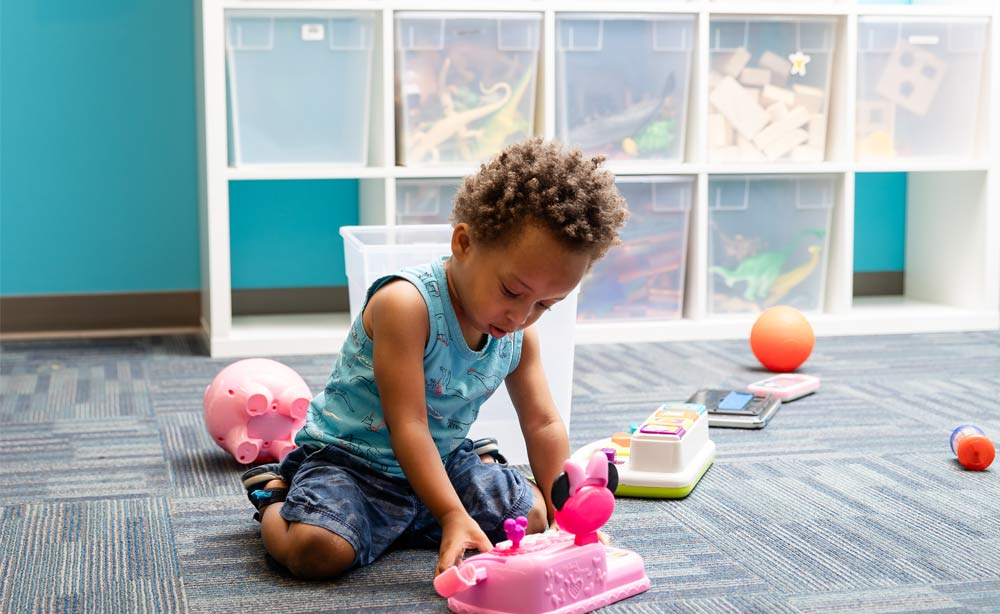
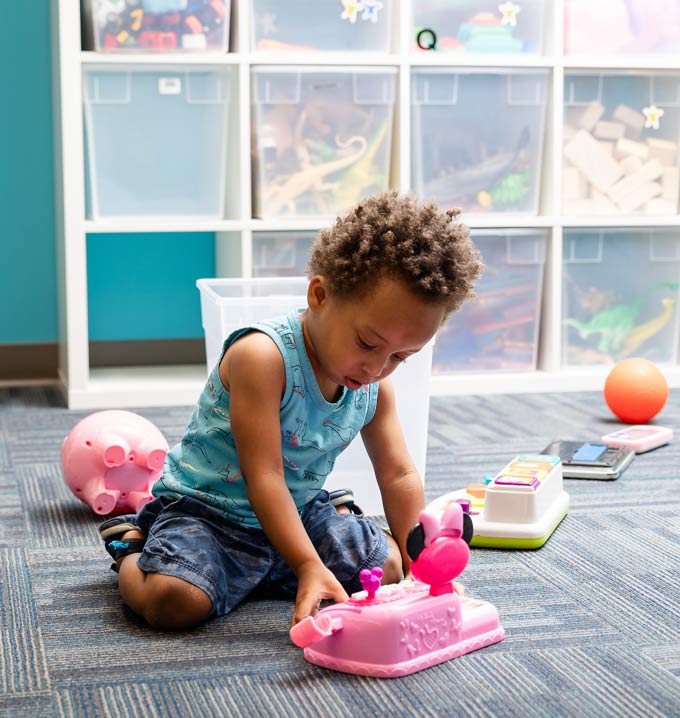
A child knelt on the floor in front of boxes filled with toys playing with a pink toy cash register.

Learning the early signs of autism is imperative for your child. Earlier diagnosis and autism intervention will give them the best possible start and equip them with the tools for an independent life. 

So, what are signs of autism in early childhood? Let’s take a look at some of the signs of autism that parents should keep an eye out for in their child. 

Characteristics of autism in young children

Social communication challenges and repetitive or restrictive behaviors are some of the key signs of autism in children. These can be more difficult to recognize in babies or young toddlers, but they are more noticeable in older autistic children. 

Developmental milestones offer essential insight into your child’s development. Although every child develops at their own rate, it’s important to keep them in mind, as missed milestones could indicate autism. Skills such as crawling, walking, smiling, waving, and saying their first word are just a few of the important milestones to watch out for. 

Signs of autism in babies

It’s particularly difficult to recognize signs of autism, and other tells in early infancy, as every baby develops at their own pace. However, it is possible to start noticing delays in specific skills and it’s essential to know what signs to be aware of in babies to get an early autism diagnosis. 

These are the most common signs of autism in babies under the age of 24 months: 

  • Dislike being held or touched 
  • Overly sensitive to loud noises 
  • Not following moving objects with their eyes 
  • Not responding to their name 
  • Poor facial recognition 
  • Very little to no babbling or baby noises 
  • Limited facial expressions, such as smiling 
  • Limited ability to grasp onto objects 
  • Not making eye contact 
  • Limited ability to crawl 
  • May not point or gesture to objects or people 
  • May not use gestures like waving or shaking their head to communicate what they want 

Signs of autism in toddlers

It becomes easier to recognize the signs of autism when babies become toddlers, as developmental milestones are more obvious as children learn to walk, talk and play with others. Nonverbal autism signs are vastly more recognizable in toddlers than in babies. 

Autistic children will usually display the following behaviors: 

  • Not speak at all or use a limited vocabulary of words, gestures, and sounds 
  • Repeated noises such as throat clearing, grunting, or squealing 
  • Show an interest with or fixation on one particular subject or activity 
  • Show repetitive movements (i.e., stimming), such as body-rocking, hand-flapping, or spinning 
  • Prefer to play on their own or show little interest in engaging or playing with other children 
  • Difficulty making friends with children their own age 
  • Difficulty understanding other people’s feelings and thoughts 
  • Difficulty walking or walking only on their toes 
  • Difficulty understanding group interactions and dynamics 
  • Adhering to their own daily routines with extreme rigidity 

The importance of an early diagnosis

The importance of early diagnosis in autistic children cannot be understated. If you recognize the signs of autism in your baby or toddler, then it’s essential to make an appointment with a medical professional for a diagnosis. 

Early intervention treatments, such as the Lighthouse Fusion ABA Therapy, are key to helping autistic children develop critical skills and equipping them with the tools they will need to gain independence and improve the overall quality of their lives going forward. 

The sooner you are able to get your autistic child diagnosed, the sooner you are able to get the resources that will help unlock their true potential and to achieve more than you imagined was possible.  

Our brains develop rapidly and are most easily shaped in the first seven years of life. Early intervention means that we can have a positive impact on your child’s most fundamental skills, such as communication and speech development at key developmental milestones. This often means that there are fewer interventions needed later on in life, and autistic children are better prepared for life ahead. It has far-reaching positive implications for essential facets of their future, such as social and emotional skills, financial management, and maintaining relationships with friends and family. 

What is Lighthouse Fusion ABA Therapy?

Most autism centers use ABA (Applied Behavior Analysis) therapy for treating autistic children, keeping speech therapy as a separate entity. At Lighthouse, we offer a unique approach to ABA therapy, which combines ABA therapy and speech therapy into a single innovative approach.  

Lighthouse Fusion ABA Therapy has better outcomes than traditional ABA therapy, and we note that children respond to the approach faster too. Our Fusion approach isn’t just more effective, our learners achieve all of this while having fun. 

Get the best start for your child with Lighthouse Autism Center

It’s important to remember that every autistic child is unique, and their needs will depend on their individual development. LAC’s innovative approach to early intervention offers tailored strategies for every child’s requirements. Our one-of-a-kind Lighthouse Fusion ABA Therapy, combined with our large archive of autism resources, put us in the perfect position to understand your child’s needs and to best equip them for a positive future. 

Together, we can unlock your child’s potential

Lighthouse Autism Center Staff Spotlight: Alena

Alena’s Lighthouse Autism Center Journey

Alena is a Clinical Apprentice at our Niles center and has been with Lighthouse Autism Center since August of 2021. Prior to her current role, she was an Assistant/RBT Trainer. She graduated from the University of Michigan with a Bachelor’s in biopsychology, cognition and neuroscience with a focus in pre-med. She has a sweet and energetic golden-doodle named Gretchen that she loves to spend time with. Alena also loves reading, going to K-POP concerts and playing the piano in her free time. 

A young woman with long brown hair smiling stood behind an open purple circle and orange boxes.

What made you decide to apply to Lighthouse?

I applied to Lighthouse because I was taking a gap year before applying to medical school and I thought learning more about the autism spectrum would help me understand and expand my knowledge so I could better help future patients. I ended up falling in love with ABA and autism during my time as a therapist and decided to change my career path to stay in the field of ABA. 

What is your favorite part of working at Lighthouse Autism Center?

My favorite part of working for Lighthouse is the opportunity to be creative and individualize services for each learner. I love that the goal is to enable growth specialized to each learner while finding the fun in every day. I love being able to continuously learn new things while building bonds with co-workers and learners. 

How would you describe your experience working for Lighthouse?

I would describe my experience working with Lighthouse as optimistic, enlightening and rewarding. There have been challenging times but they have all been learning opportunities that have helped me grow in both my professional and personal goals. 

Do you have a favorite memory from your time here?

One of my favorite memories is graduating the first learner I worked with. Many people were concerned with this client not being ready for school by the date they were graduating but once they started transitioning to school, they did so well that we graduated them a month early! It was bittersweet but so comforting and rewarding to know that they were ready even sooner than we anticipated. It was also a good reminder that it’s good to stay optimistic and expect the best from all our learners, no matter the circumstance. 

What advice you would like to share for those interested in a career at Lighthouse Autism Center?

If anybody is interested in a career at Lighthouse I would make sure that they know that it can be difficult and challenging but if their heart is in the work and they are wanting to change lives, it is definitely worth it. 

Ready for a career where you can make a difference?

LAC Opens New Center in East Moline, Illinois! 

ABA Therapy Center is Now Open in East Moline, Illinois

Lighthouse Autism Center (LAC) continues to expand, now with a network of centers in four states – quite a journey from its humble beginnings serving four families in one building to now serving hundreds of families across four states for over a decade. It is truly amazing. 

Our newest state-of-the-art ABA therapy center is now open, our fourth center in Illinois providing autism services to 21 children and their families and creating over 32 new jobs in the area.   

Our mission is to provide the highest quality autism services to children and families by opening our newest autism center near you. Lighthouse Autism Center has committed to continuing our mission in East Moline, Illinois as the need for ABA services continues to grow. Lighthouse is determined to fill that need by opening new children’s autism centers in underserved locations with facilities that can accommodate a larger capacity of learners, helping more families and children with autism, reach their goals. 

Autism Services Center for Speech and Language

Lighthouse Autism Center is the Midwest’s leading autism therapy provider. With beautiful facilities that promote natural and play-based learning, and a team of highly trained and compassionate clinicians, Lighthouse Autism Center brings together compassionate care and clinical excellence to offer the highest quality ABA therapy to children with autism. 

With a unique clinical model called Lighthouse Fusion®, children at Lighthouse are making greater progress, faster, all while having fun. While other ABA centers typically keep ABA and speech therapies separate, Lighthouse Fusion brings these two therapies together into one enhanced therapy solution. We invite you to learn more about how this innovative clinical model is helping to unlock each child’s potential.   

To learn more about Lighthouse Autism Center or enroll your child, contact our Family Outreach Coordinator at 563-526-0533 or visit our website. 

East Moline Center Contact Information

1045 12th Ave. 

East Moline, Illinois 61244 

Family Outreach Phone: 563-526-0533 

Don’t see an autism treatment center listed near you? Contact us and let us know the area you are in, and we will notify you when we have a center opening near you! 

Find a Center Near You

Interested in finding an autism center near you? Click Find a Center below to view a full list of current autism therapy centers.

Lighthouse Autism Center to Open New Center in Clinton, Iowa!

Lighthouse Autism Center is Bringing Autism Therapy Services to Clinton, Iowa

Lighthouse Autism Center (LAC) continues to expand, now with a network of centers in four states – quite a journey from its humble beginnings serving four families in one building to now serving hundreds of families across four states for over a decade. It is truly amazing.  

Coming Soon text on a blue background over a photograph of a Lighthouse Autism Center sign and building

Clinton Autism Center Coming the late summer of 2023

Our newest state-of-the-art ABA therapy center in Clinton, Iowa is Lighthouse autism Center’s second children’s autism center to open in Iowa. It is slated to open in the late summer of 2023 providing autism services to 30 children and their families and create over 45 new jobs in the area.   

With a mission of providing the highest quality autism services to children and families through our facilities, Lighthouse Autism Center has sought to do just that in Clinton, IA. As the need for ABA services continues to grow, Lighthouse seeks to fill that need by expanding into facilities that can accommodate a larger capacity of learners, helping more families and children with autism, reach their goals. 

Lighthouse Autism Center is the Midwest’s leading autism therapy provider

With beautiful autism therapy clinics that promote natural and play-based learning, and a team of highly trained and compassionate clinicians, Lighthouse Autism Center brings together compassionate care and clinical excellence to offer the highest quality ABA therapy to children with autism. 

With a unique clinical model called Lighthouse Fusion®, children at Lighthouse are making greater progress, faster, all while having fun. While other ABA centers typically keep ABA and speech therapies separate, Lighthouse Fusion brings these two therapies together into one enhanced therapy solution. We invite you to learn more about how this innovative clinical model is helping to unlock each child’s potential.   

To learn more about Lighthouse Autism Center or enroll your child, contact our Family Outreach Coordinator at 563-526-0533 or visit our website. 

Clinton Center Contact Information

1310 19th Ave NW, Suite 1 

Clinton, Iowa 52732 

Family Outreach Phone: 563-526-0533 

Don’t see an autism treatment center listed near you? Contact us and let us know the area you are in, and we will notify you when we have a center opening near you! 

Find a Center Near You

Interested in finding an autism center near you? Click Find a Center below to view a full list of current autism therapy centers.

LAC Introduces Behavior Treatment Committee

Lighthouse Autism Center is excited to introduce the latest initiative in our commitment to clinical quality: the Behavior Treatment Committee (BTC)! The BTC is a beacon of applied behavior analysis (ABA) therapy excellence, where Lighthouse clinicians gather to collaborate on treatment and behavior plans when circumstances become challenging. It provides a collaborative, round-table environment to celebrate ideas and develop treatment plans that utilize the least restrictive interventions and deliver the best possible outcomes.

Lighthouse has drawn members of the BTC from areas encompassing clinical services, compliance, and training.

According to Chief Clinical and Compliance Officer Leila Allen (MA, BCBA, LBA), the BTC is instrumental in developing treatment plans that utilize the least restrictive interventions and deliver the best possible outcomes. “The whole purpose of the BTC is to give our team support. None of us, no matter the experience, is an expert in everything, and it’s hard to not get stuck in the details for some of our learners who present with more complex needs. By bringing together experienced team members with different backgrounds, we are able to bring that diverse experience to our whole team when they just need to brainstorm, spark new ideas, and often, re-affirm that they are on the right path,” Allen said.

Amanda, BCBA at Lighthouse Autism Center in Avon, found the BTC to be a welcome addition to the company. “I found the BTC to be very helpful,” Amanda said. “When we first worked with one of our kids, he had high-frequency behavior in the form of elopement, aggression, and task refusal. The BTC helped come up with good ideas that honored the learner’s assent, but worked on skills of tolerating other peoples’ or learners’ choices.”

Jr. Program Manager Melissa Avon also had a positive learning experience with the BTC. “This is something that was extremely helpful for me, especially being so new as a Jr. Program Manager,” she said. “I appreciate it so much!”

Meet the Behavior Treatment Committee

Leila Allen (MA, BCBA, LBA) is the Chief Clinical and Compliance Officer at Lighthouse Autism Center, focused on developing our outcomes platform, compliance and payor audits, and legislative/regulatory supports. Leila has worked in the field of ABA since 2006, joining Lighthouse as a Clinical Director in 2012. As a sibling of an adult with autism, Leila knows firsthand how important clinical teams working together is for the betterment of not only the learner, but for the empowerment of the whole family. This directly aligns with the BTC’s focus, to give clinicians support and a sounding board, advice, ideas, and always follow the idea that two (or 10!) heads are better than one.

Michelle Grose (MA, BCBA)is the Regional Director of Lighthouse’s Indy South centers (Avon, Greenfield, and Columbus). Michelle has a great passion for working with adolescents and learners with high-magnitude behavior, as well as coaching and supporting BCBAs and supervision students through the Indy South centers. She is excited to be a member of the BTC as another outlet for her passion for collaboration among behavior analysts.

Megan Noll is the Director of Compliance at Lighthouse Autism Center. Megan provides valuable expertise in navigating the complex ethical considerations and practices within the healthcare landscape. Her diverse background in healthcare outside of ABA therapy brings a valuable, unique perspective to the BTC.

Cassi Nichols (MA, BCBA)is the BCBA Recruiter at Lighthouse Autism Center, having previously served as Program Manager and Clinical Director. Her experience working with learners who exhibit varying levels of support needs and maladaptive behaviors lends a valuable perspective to the BTC. Cassi is passionate about training in all areas of ABA, but particularly programming with assent in mind, self-advocacy, and getting creative with each learner’s treatment package.

Lacy Wolter (MA, BCBA) is the Director of Training at Lighthouse Autism Center, a position that allows her to share her wealth of experience with other professionals in the ABA field. Lacy’s dedication to her passions and commitment to teaching others contribute to the growth and development of the professionals at Lighthouse Autism Center.

Neurodiversity

Neurodiversity appreciates variations in how our brains work, celebrating the unique experiences of individuals beyond supposed “neurotypical” norms. It rejects the idea of “fixing” conditions like autism, ADHD, and dyslexia, understanding them as different ways of being.

Multiple colored puzzle pieces in the background and a hand holding a yellow puzzle piece in the center of two others.

Neurodiversity

We’ve heard the term often enough, but what is neurodiversity exactly? A simple definition states that neurodiversity is about appreciating the natural variations in how our brains work and acknowledging the unique experiences of individuals who fall outside what is erroneously termed “neurotypical,” such as those who are autistic, have ADHD, dyslexia, and others. It’s a way of understanding that different neurotypes are just different ways of being rather than something that needs fixing.

Let’s look at where the concept began, explore different types of neurodiversity (also called “neurotypes”), discuss things to look out for, and provide practical tips on how to support and enable neurodivergent people to thrive in broader society.

The origins of neurodiversity

The term “neurodiversity” was coined by Australian sociologist Judy Singer in the late 1990s. Singer proposed that neurological differences should be seen as a form of diversity, similar to other forms of human diversity such as ethnicity, gender, or sexual orientation. The concept gained wider recognition and popularity with the publication of “Neurodiversity: The Birth of an Idea” by journalist Harvey Blume in 1998. 

This study catalyzed a broader neurodiversity movement that took its roots from the autism self-advocacy movement, which was prevalent around the same time. Autistic self-advocates began challenging the pathologizing language and treatment approaches that characterized the prevailing understanding of autism. They asserted that autism is a valid identity and advocated for rights, inclusion, and support that respected their unique experiences and strengths.

The neurodiversity movement gained further momentum through the efforts of organizations like the Autism Network International (ANI), founded by Jim Sinclair, and the Autistic Self Advocacy Network (ASAN), founded by Ari Ne’eman. These organizations focused on promoting the rights and self-determination of autistic individuals, challenging stigmatizing narratives, and advocating for accommodations and support that respected autistic experiences.

The core principles of the neurodiversity movement include the following.

1. Acceptance and inclusion

Neurodiversity advocates argue for accepting neurodivergent individuals as valuable members of society and promoting their full inclusion in all aspects of life.

2. Shift from cure to support

Rather than seeking to cure or eliminate neurodivergent traits, the movement shifts the focus to providing the necessary support, accommodations, and resources to enable neurodivergent individuals to thrive and reach their full potential.

3. Respect for autonomy and self-advocacy

The neurodiversity movement recognizes the autonomy and self-advocacy of neurodivergent individuals, valuing their perspectives and inclusion in decision-making processes that affect their lives.

4. Challenging stigma and discrimination

Neurodiversity advocates work to challenge and dismantle the stigma, discrimination, and ableism that neurodivergent individuals face in various aspects of life, including education, employment, healthcare, and social interactions.

Understanding neurodiversity

Neurodiversity is an inclusive framework that encourages society to value and embrace neurological differences. It challenges the notion that there is a single “normal” or “typical” brain and acknowledges that every individual’s neurology is unique. Just as biodiversity is crucial for the health and resilience of ecosystems, neurodiversity is essential for the richness and vitality of human society.

Common types of neurodiversity

Neurodivergence encompasses a wide range of neurological differences and conditions. Neurodiversity acknowledges that while behaviors listed here are interpreted as disorders in neurotypical conditions, they do not reflect the true capacity of neurodivergent people who thrive in conducive and enabling environments. Here are some of the most commonly recognized types of neurodiversity.

Autism Spectrum Disorder (ASD)

Many people ask, “Is autism a neurodiversity?” The simple answer is no, it is a form of neurodivergence.

Autism is a neurodevelopmental condition characterized by differences in social communication, sensory processing, and repetitive behaviors. Autistic people may have varying strengths and challenges, and their experiences can range from mild to severe.

Attention Deficit Hyperactivity Disorder (ADHD)

ADHD is a neurodevelopmental condition broadly defined by difficulties with regulating focus, managing impulsivity, and perceived hyperactivity. Individuals with ADHD may struggle with meeting organizational requirements, experience time blindness, and sustained or hyper focus in mainstream environments and situations.

Dyslexia

Dyslexia is a learning difference that affects reading, writing, and language processing. Individuals with dyslexia may have difficulty with letter recognition, decoding words, and spelling, despite having normal intelligence.

Dyspraxia

Dyspraxia, also known as developmental coordination disorder, involves challenges with motor coordination and planning. Individuals with dyspraxia may have difficulty with fine and gross motor skills, coordination, and spatial awareness.

Tourette Syndrome

Tourette Syndrome is a neurodevelopmental disorder characterized by involuntary motor and vocal tics. These tics can vary in frequency and severity, and individuals may also experience associated conditions like obsessive-compulsive disorder (OCD).

Anxiety Disorder

Anxiety disorder is a mental health condition characterized by excessive and persistent worry, fear, and unease. It involves intense and sustained feelings of apprehension that can interfere with daily life and well-being..)

Less common types of neurodiversity

While some of these may be household terms popularized by memes, social media, and popular culture, they are not as pervasive as you might think.

Dyscalculia

Dyscalculia, also known as Developmental Dyscalculia (DD), is a specific learning disorder that involves difficulties in learning basic arithmetic facts, processing numbers, and performing accurate and fluent calculations.

Dysgraphia

Dysgraphia is a specific learning disability that primarily affects written expression. Individuals with dysgraphia often struggle with spelling, exhibit poor handwriting, and find it challenging to translate their thoughts onto paper. Dysgraphia can manifest as a language-based or non-language-based disorder.

Meares-Irlen Syndrome

Meares-Irlen Syndrome, also known as Irlen Syndrome, Scotopic Sensitivity Syndrome, or Visual Stress, is a perceptual processing disorder. Unlike an optical issue, it involves difficulties in the brain’s ability to process visual information accurately.

Hyperlexia

Hyperlexia is characterized by precocious and self-taught reading ability in children under the age of 5, along with a heightened fascination for letters, numbers, logos, maps, or visual patterns.

Obsessive-Compulsive Disorder (OCD)

Obsessive-Compulsive Disorder (OCD) is a prevalent mental health condition characterized by persistent, intrusive thoughts known as obsessions and repetitive behaviors or rituals called compulsions.

Synesthesia

Synesthesia is a perceptual phenomenon where stimulation of one sensory or cognitive pathway, like sounds or taste, triggers involuntary experiences in another, like color, resulting in the blending or mixing of senses. This can extend to the blending of letters and shapes into each other.

Indicators of neurodivergence

While each neurodivergent condition has its unique set of characteristics, there are some common indicators of neurodivergence that individuals may face. 

Sensory sensitivities

Many neurodivergent individuals have heightened or diminished sensory sensitivities. They may experience hypersensitivity or hyposensitivity to stimuli such as sounds, lights, textures, or tastes, which can affect their daily lives and interactions.

Communication differences

Neurodivergent individuals may experience challenges in social communication and non-verbal cues. They may have difficulty understanding social norms, maintaining eye contact, interpreting facial expressions, or understanding others’ perspectives.

Executive functioning challenges

Executive functions encompass cognitive processes like planning, organization, time management, and impulse control. Neurodivergent individuals may struggle with one or more of these functions, affecting their ability to prioritize tasks, stay organized, and regulate their behavior.

Special interests and hyperfocus 

Many neurodivergent individuals develop intense interests or passions in specific subjects. These interests often involve in-depth knowledge and dedication, becoming a source of motivation and enjoyment for the individual.

Supporting neurodivergent people

Creating an inclusive and supportive environment for neurodivergent people is crucial. Here are some practical tips on how to support and foster inclusion.

Education and awareness

Educate yourself and others about neurodiversity. Learn about the specific challenges and strengths associated with different neurodivergent conditions. Neurodiversity awareness and knowledge will help dispel misconceptions and foster understanding.

Person-centered approach

Recognize that every neurodivergent individual is unique. Focus on their strengths, talents, and interests rather than solely on their challenges. Adopt a person-centered approach that emphasizes individual needs, accommodations, and support.

Open communication

Foster open and honest communication with neurodivergent individuals. Listen to their perspectives and experiences, and provide a safe space for them to express their thoughts and feelings. Validate their experiences and work together to find solutions and support.

Sensory-friendly environments

Create sensory-friendly environments that accommodate the sensory needs of neurodivergent individuals. This can include providing quiet spaces, reducing visual clutter, using soft lighting, and allowing for flexibility in sensory experiences.

Accommodations and support

Offer accommodations and support that cater to individual needs. This may include visual aids, assistive technologies, flexible schedules, clear instructions, and additional time for tasks or transitions.

Inclusive education and employment

Advocate for inclusive education and employment practices that embrace neurodiversity. Promote environments that value diverse learning styles, provide appropriate support, and foster inclusive interactions.

Promote acceptance and empathy

Foster a culture of acceptance and empathy by promoting understanding, tolerance, and respect for neurodivergent individuals. Encourage neurotypical individuals to learn from and appreciate the unique perspectives and contributions of their neurodivergent peers.

Celebrate neurodiversity with Lighthouse Autism Center (LAC)

At Lighthouse Autism Center, we understand and support neurodiversity and strive to create an inclusive and compassionate society. Our vast archive of autism resources, combined with our innovative Lighthouse Fusion ABA therapy, forms a formidable arsenal for autistic children to thrive in a society still learning to accept neurodiversity.

Together, we can unlock your child’s potential

Translate »