Lighthouse Autism Center Opening in Goldsboro, North Carolina this Summer
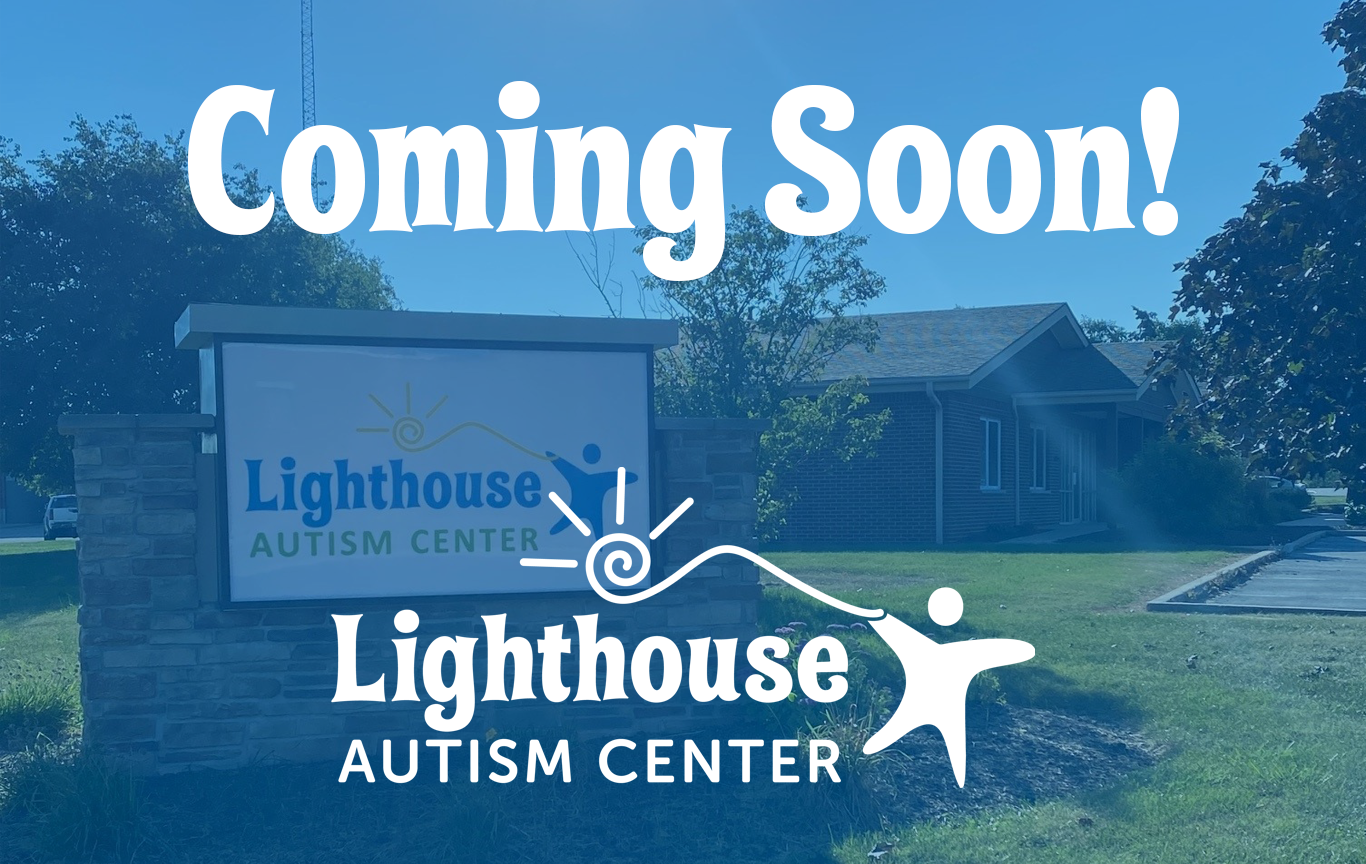
Lighthouse Autism Center (LAC) is excited to announce the opening of a new autism therapy center in Goldsboro, NC at the end of this summer. This marks the eighth location in North Carolina and reflects the continuous expansion in the east coast and serves the families in need of high-quality autism services.
LAC’s new Goldsboro location will expand access to Applied Behavior Analysis (ABA) therapy for children and families throughout Wayne County and the surrounding communities. With the growing demand for autism services, this new location will help ensure more families can receive the support they need.
Comprehensive Autism Services in Goldsboro
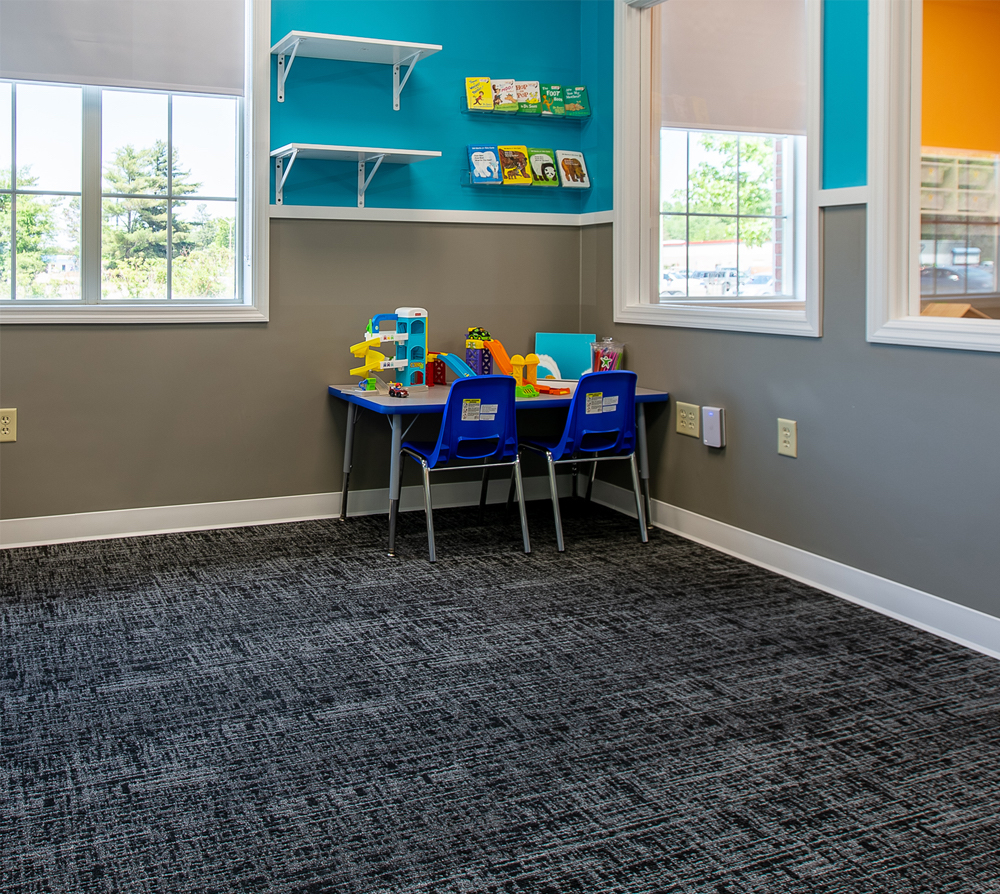
The Goldsboro Center is designed to provide a welcoming, play-based environment where children can learn, grow, and thrive. The facility will feature four therapy pods, supporting both one-on-one and small group learning experiences tailored to each child’s unique needs.
Services at the Goldsboro center will include:
Applied Behavior Analysis (ABA) therapy
Lighthouse Fusion (integrated speech support within ABA therapy)
Autism diagnostic testing
Pre-academic learning programs
Parent support resources
Each service is designed to promote meaningful progress, independence, and skill development for children on the autism spectrum.
Bringing Lighthouse Fusion to Goldsboro
A key feature of Goldsboro center is Lighthouse Fusion, Lighthouse Autism Center’s innovative approach that integrates speech support directly into a child’s daily ABA programming. By embedding communication practice throughout therapy sessions, children have more opportunities to develop language and social skills while engaging in fun, play-based activities.
This integrated model helps children make faster progress while ensuring therapy remains engaging and meaningful.
Supporting the Goldsboro Community
In addition to expanding access to care, the new center will also create job opportunities for the Goldsboro area, further supporting the local community.
April is Autism Acceptance Month—a time to move beyond recognition and focus on what it really takes to create a more inclusive, supportive world for autistic individuals and their families.
At Lighthouse Autism Center, acceptance is something we practice every day. It shapes how we support children, partner with families, and show up in our communities. This month is an opportunity for all of us to be more intentional about that effort.
What Acceptance Really Looks Like
Acceptance shows up in the small, everyday interactions that shape a child’s experience.
It’s reflected in how we respond to different forms of communication, how we adapt environments to reduce frustration, and how we create opportunities for children to engage in ways that feel natural to them. Every child experiences the world differently, and meaningful support starts with recognizing and respecting those differences.
The Role of Support and Early Intervention
Access to the right support can make a meaningful difference for children and their families—and that starts with getting answers early.
Lighthouse Autism Center offers diagnostic autism evaluations at select locations for children ages 16 months to 6 years. Early diagnosis helps families better understand their child’s needs and opens the door to timely, effective support during critical developmental years.
Following diagnosis, early, evidence-based intervention helps build communication, social, and daily living skills. Approaches like Applied Behavior Analysis (ABA) are most effective when they focus not just on outcomes, but on how children learn best.
At Lighthouse Autism Center, our approach to ABA emphasizes play, connection, and real-world interactions. Therapy is designed to be engaging and child-led, allowing children to build skills in a way that feels relevant and motivating.
Our Board Certified Behavior Analysts (BCBAs) and Registered Behavior Technicians (RBTs) collaborate closely with families to create individualized plans that reflect each child’s unique strengths, needs, and goals.
How You Can Take Action This Month
Autism Acceptance Month is ultimately about what we choose to do. There are practical ways to make a difference, regardless of your role:
Listen to autistic voices Seek out perspectives from individuals with lived experience through books, content, and community conversations.
Encourage inclusive practices Advocate for environments in schools, workplaces, and public spaces that accommodate different sensory and communication needs.
Make spaces more accessible Simple adjustments—like offering quiet areas or flexible communication options—can reduce barriers to participation.
Support families in your community Sharing resources, offering flexibility, or showing understanding can have a meaningful impact.
Use thoughtful, respectful language Be mindful of how autism is discussed and remain open to individual preferences.
Engage locally Participate in events, partnerships, or initiatives that promote inclusion and accessibility.
Why It Matters
Creating a more inclusive environment requires consistent, intentional effort. The way we design spaces, communicate expectations, and support one another directly shapes whether autistic individuals feel welcomed and able to participate.
At Lighthouse Autism Center, that responsibility guides our work every day. We are committed to helping children build skills, supporting families through their journey, and contributing to communities where differences are understood and respected.
Autism Acceptance Month is a chance to be more deliberate about those efforts—and to carry them forward beyond April.
Lighthouse Autism Center (LAC) is excited to announce the opening of a new autism therapy center in Rocky Mount, North Carolina, located at 110 Enterprise Dr., Rocky Mount, NC 27804. The center is scheduled to open in late June and will serve families throughout Nash County and the surrounding communities.
This marks Lighthouse’s sixth location in North Carolina, continuing our commitment to expanding access to high-quality, center-based ABA therapy across the state. Conveniently located about 56 miles from Raleigh, the Rocky Mount center will provide families in Central North Carolina with greater access to specialized autism services close to home.
Comprehensive Autism Services for Rocky Mount Families
The new 7,500+ square-foot center will accommodate up to 28 children and will feature four therapy pods designed to support both individualized one-on-one therapy and collaborative group learning opportunities.
Services offered at the Rocky Mount center include:
ABA therapy
Lighthouse Fusion® (integrated speech support within ABA therapy)
Autism diagnostic testing
Pre-academic learning programs
Social skills groups
Parent training and support
Lighthouse Fusion® is our innovative clinical model that blends speech therapy directly into a child’s daily ABA programming. By embedding communication goals throughout the day, children are able to build speech and language skills in natural, play-based settings — often making greater progress while having fun.
A Commitment to the Rocky Mount Community
“Our team is passionate about bringing compassionate, individualized care to Rocky Mount,” said Clinical Regional Director Natalie Yates. “We are committed to creating a supportive environment where children can thrive and families feel empowered every step of the way.”
Clinical Senior Regional Director Karen Merkel added, “Expanding into Rocky Mount represents our continued dedication to serving families across North Carolina. We’re excited to build strong relationships within this community and provide high-quality services that make a meaningful difference.”
In addition to delivering essential autism services, Lighthouse Autism Center is proud to contribute to the local economy by creating new career opportunities for clinicians and support staff in the area.
We look forward to welcoming families to our Rocky Mount center and becoming an active, supportive part of the community.
We’re excited to share that Lighthouse Autism Center is opening a brand-new location in Cedar Falls, Iowa in June 2026.
Our new center, located at 2300 Main Street, Suite #301, Cedar Falls, IA 50613, will serve up to 21 families in Cedar Falls and the surrounding communities. This marks our seventh location in Iowa and our second center in Black Hawk County, following our Waterloo opening in 2024.
For us, this isn’t just growth. It’s a deeper commitment to families in this community.
Expanding Access to High-Quality, Compassionate ABA Therapy
At Lighthouse Autism Center, our mission has always been simple: deliver exceptional, compassionate, play-based ABA therapy that helps children thrive.
Like all Lighthouse Autism Center locations, the Cedar Falls center will offer center-based Applied Behavior Analysis (ABA) therapy, speech support, and autism testing.
Our innovative Lighthouse Fusion® model integrates speech therapy directly into daily ABA programming. Instead of separating services, children receive coordinated, collaborative care throughout their day — helping them make greater progress while learning in immersive, imaginative, and engaging environments.
A Growing Need for Autism Services
Autism spectrum disorder continues to impact more families every year. According to the Centers for Disease Control and Prevention (CDC), approximately 1 in 31 children in the United States is diagnosed with autism spectrum disorder.
As the need for evidence-based services grows, so does our responsibility to ensure families have access to high-quality care close to home. Opening a second center in Black Hawk County allows us to reduce barriers, shorten wait times, and support more families in the Cedar Falls area.
Rooted in Family, Focused on the Future
Lighthouse Autism Center was founded in 2012 by parents of a child with autism. That perspective continues to shape everything we do. We understand firsthand the urgency families feel after a diagnosis — and the importance of finding care that is both clinically excellent and deeply compassionate.
Today, we serve families across Indiana, Michigan, Illinois, Iowa, Nebraska, and North Carolina. Every center is built around the same promise: individualized, play-based programs designed to help children build meaningful communication, independence, and life skills. And now, we’re honored to bring that promise to Cedar Falls.
Now Enrolling in Cedar Falls
If you’re a parent or caregiver in the Cedar Falls area and would like to learn more about services at our new center, we’d love to connect with you.
In our earlier posts in this series, we explored why caregiver self-care matters and how small, realistic habits can support your well-being. We talked about pausing, protecting your energy, meeting basic needs, and finding moments of calm in the middle of busy days.
But for many caregivers, there’s a question underneath all of that advice: “How do I make space for self-care when I’m doing everything myself?”
The answer, for many families, begins with connection. A good support network makes self-care possible.
Where to find Support
Support can come from many places, and no single network has to meet every need. Often, the strongest systems are built from a mix of personal, community, and professional support.
Family and Friends
Family members, close friends, or trusted neighbors can be an essential part of your support network. Sometimes support looks like help with childcare, transportation, or errands. Other times, it’s simply having someone who understands your situation and listens.
Many caregivers find that people want to help but aren’t sure how. Being specific—such as asking someone to be an emergency contact or to help during certain transitions—can make it easier for others to step in when needed.
Online Communities
Online caregiver and autism communities can provide understanding, encouragement, and shared experiences—especially during times when in-person connection feels difficult. These spaces can be helpful for emotional support, resource sharing, and reassurance that what you’re experiencing is valid and common.
Respite Care
In addition to personal connections, some families can access support through government programs or grant-funded services. One important option is respite care, which provides short-term care so caregivers can take time to rest, attend appointments, or manage other responsibilities.
Depending on your location, resources may be available through Medicaid waivers, state or county disability services, nonprofit organizations, or local family resource centers. The Autism Speaks Resource Guide is a great place to start looking for respite care opportunities near you.
Steps to Build Your Network
Building a support system doesn’t happen overnight—but small steps can add up.
Start by identifying a few people you trust and consider what kind of support might be helpful. Share your needs openly and clearly, even if it feels uncomfortable at first. Keep contact information accessible, especially for emergencies, and remember that professional and community resources are part of your network too.
Most importantly, give yourself permission to accept help. After all, “It takes a village to raise a child.” Caregiving is not meant to be done alone.
How Lighthouse Supports Your Family
At Lighthouse Autism Center, we believe supporting caregivers is an essential part of supporting children. Our team works to create strong partnerships with families and can help connect you with resources, answer questions, and provide guidance as needs change over time. Contact us today to learn more about how we can help.
We’re excited to share that Lighthouse Autism Center is expanding insurance options for military families. We’re now accepting TRICARE at select locations and states—helping more families access high-quality, center-based autism services.
Lighthouse Autism Center locations in North Carolina, as well as our Mishawaka, Indiana (Edison Road) center, are now enrolling families covered under TRICARE East. Additional locations in Nebraska and Iowa are expected to begin enrolling families under TRICARE West as early as March 1, 2026, pending final payer timelines.
This expansion reflects our ongoing commitment to reducing barriers to care and ensuring families can access compassionate, evidence-based autism therapy—no matter where military life takes them. At Lighthouse, we provide individualized, play-based ABA therapy designed to help children with autism build communication skills, independence, and confidence in a supportive, center-based environment.
Military families often face unique challenges when it comes to finding consistent, high-quality care, especially when relocating or navigating insurance coverage across states. By accepting TRICARE at select locations, we’re taking an important step toward making autism services more accessible for these families and supporting children in reaching their fullest potential.
Autism spectrum disorder is one of the fastest-growing developmental disorders in the United States, with approximately 1 in 31 children diagnosed, according to the latest CDC data. As the need for evidence-based services continues to grow, we remain focused on expanding access to care in the communities we serve.
Founded in 2012 by parents of a child with autism, Lighthouse Autism Center has grown into a leading provider of center-based ABA therapy, with locations across Indiana, Michigan, Illinois, Iowa, Nebraska, and North Carolina. Across all of our centers, our focus remains the same: clinical excellence, compassionate care, and play-based programming that helps children reach meaningful milestones while supporting families every step of the way.
Families interested in TRICARE-covered services are encouraged to contact us for the most up-to-date enrollment information.
Caring for a child with autism is rewarding, but can also be demanding in ways that aren’t always visible. Between daily routines, therapy schedules, advocacy, and emotional labor, many caregivers find themselves running on empty, even as they continue to show up for their child every day.
Earlier this year, we explored this reality in our blog post, The Power of Pause: Why Caregiver Self-Care Matters, where we talked about an important truth: caring for yourself is essential to caring for your child. When stress builds and energy is depleted, it becomes harder to stay patient, calm, and emotionally present.
While understanding why self-care matters is an important first step, many caregivers still face a very real question: “How do I take care of myself when I already feel stretched thin?”
The good news is that self-care doesn’t have to be complicated or time-consuming. Small, realistic habits—built into your existing routine—can make a meaningful difference over time. Below, we’re sharing 10 simple self-care habits for autism caregivers that are designed to be approachable, flexible, and doable, starting today.
10 Simple Self-Care Habits You Can Start Today
Stay Hydrated and Fuel Your Body
Skipping meals or forgetting to drink water can increase fatigue and stress. Keeping hydration and nutrition simple can make a noticeable difference in how you feel.
Try this: Keep a water bottle nearby and choose easy snacks like fruit, yogurt, or trail mix that don’t require prep.
Add Gentle Movement to Your Day
Movement doesn’t have to mean exercise classes or long workouts. Even gentle movement can help release tension and improve your mood.
Try this: Take a short walk, stretch while your child plays, or do a few minutes of movement between tasks.
Get Fresh Air When You Can
Fresh air and natural light can be grounding, especially during stressful moments. Even brief time outside can help reset your nervous system.
Try this: Step outside during a break, walk to the mailbox, or sit outdoors while your child engages in a calming activity.
Take a Moment to Reflect
Caregiving often means carrying a lot mentally and emotionally. Writing things down can help clear your mind and process the day.
Try this: Write one sentence about something that went well today — no matter how small.
Support Better Sleep Habits
Sleep can be hard to protect, but even small nighttime routines can help your body wind down.
Try this: Dim the lights, put your phone away 30 minutes before bed, or create a calming cue like reading or listening to soft music.
Accept Help When It’s Offered
You don’t have to do everything on your own. Accepting help is not a sign of weakness — it’s a way to protect your energy.
Try this: Let someone help with a meal, an errand, or childcare when the opportunity comes up.
Take Breaks From Information Overload
Researching, scrolling, and comparing can quickly become overwhelming. It’s okay to step back.
Try this: Choose one trusted resource and give yourself permission to ignore the rest for now.
Connect With Other Caregivers
Talking with people who understand your experience can be incredibly validating and comforting.
Try this: Join an online support group, attend a parent meet-up, or connect with another caregiver you trust.
Set One Small Boundary Each Day
Protecting your time and energy matters. Even small boundaries can help reduce burnout.
Try this: Say no to one non-essential task or obligation this week.
Make Time for Something You Enjoy
Joy is part of self-care, too. Even a short moment of something you enjoy can help you recharge.
Try this: Read, listen to music, watch a favorite show, or enjoy a quiet cup of coffee — without guilt.
Bonus: Relax Together
Self-care doesn’t always have to happen separately from your child. Some calming activities can benefit both of you:
Listening to calming music
Taking a quiet walk together
Practicing deep breathing
Engaging in a favorite low-demand activity side by side
These shared moments can help support emotional regulation and connection for your whole family.
You’re Doing Important Work — and You Matter Too
Caring for a child with autism takes patience, strength, and heart. Supporting your own well-being through small, manageable habits can help you continue showing up with the care and presence your family deserves.
You don’t have to do everything at once. Start with one small habit — and build from there.
Stay Connected With Lighthouse Autism Center
Let Lighthouse Autism Center help you navigate these spaces through our innovative programs and products, like Lighthouse Fusion ABA Therapy and the numerous autism resources housed on our website. Contact us to learn more about how we can support your family.
You’re not alone — and Lighthouse is here to support you every step of the way.
The holiday season is filled with excitement, celebration, and connection, but it can also bring challenges for children with autism and their families. New environments, unfamiliar faces, changes in routine, and sensory-heavy activities can create stress during a time that is meant to feel joyful. With some thoughtful planning and supportive strategies, families can navigate this season in a way that feels more comfortable and meaningful for everyone.
Preparing for Shifts in Routine
Many children with autism rely on routine to feel safe and grounded, so the unpredictability of the holidays can be particularly difficult. Introducing the upcoming early changes and discussing what to expect can help reduce anxiety. Sitting down to explain what the say may look like and what is going on will give the child a sense of control and predictability. Even during the busy days, keeping familiar routines, like bedtime, can help anchor the day and give your child the needed stability. Practicing or talking through new experiences before they happen can also make transitions smoother and reduce stress that comes from new and unfamiliar situations.
Navigating Sensory Overload
Holiday gatherings often mean loud conversations, crowded rooms, strong smells, and bright lights. These elements can quickly become overwhelming, so creating opportunities for sensory regulation can make these environments more manageable for your child. Bringing familiar comfort items, such as a preferred toy, blanket, or snack, can offer reassurance in unpredictable settings. Finding a quiet room or a designated calm area during gatherings gives your child a place to retreat when stimulation becomes too intense. Tools like noise-canceling headphones, sunglasses, or fidgets may also help keep sensory experiences at a more comfortable level. By honoring your child’s sensory needs, you help them stay regulated and more able to enjoy the celebration.
Supporting Communication at Gatherings
Holiday events often come with social expectations that may feel challenging. Meeting many people at once, being asked a lot of questions, or receiving an unexpected greeting can create discomfort. Preparing your child by discussing what social interactions may look like and offering simple, comfortable responses can help them feel more confident. It’s also super helpful to communicate with friends and family beforehand about your child’s communication style and preferences. Whether your child uses speech, gestures, or prefers nonverbal communication, making sure others understand what works best can relieve pressure for everyone involved. When children feel supported in how they communicate, they’re more likely to engage in ways that feel authentic and safe.
Putting Comfort First
Every family has permission to modify traditions, set boundaries, or create new holiday routines that better fit their needs. It is okay to arrive late, leave early, or skip events that may be overwhelming. You can celebrate the season in ways that are meaningful without feeling forced into expectations that don’t support your child. By prioritizing comfort and emotional well-being, you create opportunities for positive memories instead of stressful ones. Small adjustments, like hosting quieter gatherings, choosing sensory-friendly activities, or building breaks into the day, can help ensure that everyone feels included and supported.
Creating a Holiday Plan That Works for Your Family
There is no “right” way to celebrate the holidays. The best approach is one tailored to your child’s strengths, needs, and comfort level. Planning ahead, preparing sensory supports, and staying flexible can help the season feel more predictable and enjoyable. Involving your child in planning when possible can build confidence and help them feel more connected to family traditions. With patience and preparation, your family can create a holiday experience that is both supportive and joyful.
Lighthouse Autism Center: Equipping Families With Tools for Smoother Transitions
Seasonal changes and holiday transitions can feel like a lot, but your family doesn’t need to navigate them alone. Lighthouse Autism Center provides compassionate, evidence-based ABA therapy and a wide range of autism resources designed to support families year-round. From helpful guides to innovative programs like Lighthouse Autism Fusion ABA Therapy, our team is dedicated to helping children grow, adapt, and thrive. To learn more about how we can support your family during the holidays and beyond, visit our website or reach out to a team member.
Holiday Cooking Activities That Encourage Participation
The holidays offer a warm, sensory-rich environment full of familiar smells, special routines, and family traditions. For many families of children with autism, though, this season can also bring new challenges like changes in schedule, busy environments, or unfamiliar sensory input. Cooking and baking together can be a wonderful way to bring calm, structure, and joyful connection into this time of year.
With the right approach, kitchen activities become more than a task; they can support communication, fine motor skills, sensory exploration, and social engagement. Here’s how families can make holiday cooking and baking inclusive and supportive for children on the autism spectrum.
Creating a Sensory-Friendly Kitchen Environment
Holiday cooking often comes with strong smells, loud noises, and lots of activity. These elements can feel overwhelming for a child with sensory sensitivities. Start by preparing the space ahead of time. Consider limiting competing noise like music or the TV, and allow your child to wear noise-cancelling headphones if needed. Let them explore ingredients at their own pace so they can become textures, temperatures, and scents before jumping into the activity.
It can also help to set up a designated “cooking spot” with clear boundaries. A small workstation, such as a section of the counter or a child-sized table, creates predictability and reduces the feeling of chaos. Having familiar sensory tools nearby, like a fidget toy or weighted lap pad, can help your child regulate if the environment becomes too stimulating.
Choosing Simple, Visual Recipes
Many children with autism respond well to visual supports, which makes visual recipes incredibly helpful. Choose recipes with step-by-step images or create your own using photos or icons. These visual guides help your child understand what to expect and reduce frustration or confusion.
Start with simple holiday favorites like sugar cookies or Rice Krispie treats. When recipes are predictable and easy to follow, children feel more confident and in control. Over time, you can gradually introduce new steps or more complex recipes as your child becomes more comfortable in the kitchen.
Encouraging Hands-On Participation
Holiday baking offers a wide range of sensory-friendly tasks that your child can help with, such as pouring, mixing, pressing cookie cutters, sprinkling toppings, or rolling dough. These activities naturally support fine motor development and provide structured sensory input that many children enjoy. For children who are hesitant to touch certain textures, provide options like gloves, spoons, or spatulas to give them a comfortable way to participate.
Remember to celebrate each step, no matter how small. Participation may look different for every child, and that is perfectly okay. Some children may want to do every part of the recipe, while others may prefer one predictable job. The goal is engagement and positive experiences, not perfection.
Celebrating Results Together
Once the baking is done, spending time enjoying the finished treats reinforces the full sequence of the activity. You can create a small “taste testing” tradition, package baked goods as gifts, or let your child proudly share their treats with family members or friends. These moments support social skills, communication, and a sense of accomplishment.
If your child prefers not to eat certain foods due to sensory sensitivities, that’s completely okay. Celebrating can still happen. Displaying their decorated cookies, gifting homemade treats to neighbors, or taking pictures together can help strengthen pride and connection without requiring them to taste anything they’re uncomfortable with.
Supporting Your Family Through Every Holiday Season
Planning meaningful, sensory-friendly holiday activities for your child can feel overwhelming, but Lighthouse Autism Center is here to help make those moments easier. Through Innovative programs like Lighthouse Fusion ABA Therapy and the many autism resources available on our website, we aim to support families in creating joyful, engaging experiences both during the holidays and throughout the year.
The holiday season is full of excitement, lights, music, and anticipation, but for children with autism, it can also be overwhelming. Busy stores, crowded aisles, unexpected noises, and long lines can turn what should be a joyful outing into a stressful experience for both children and parents. With some thoughtful planning, sensory strategies, and realistic expectations, holiday shopping can become not only manageable but even enjoyable. Here are some practical tips to make shopping trips calmer and more positive.
Plan for a Predictable Experience
One of the most important things you can do to help your child navigate holiday shopping is to plan. Children with autism often do best when they know what to expect, so preparing them before leaving home can make a huge difference. Visual schedules can help explain what the shopping trip will look like, from leaving the house to checking out at the register. Talking through the plan ahead of time, what stores you’ll visit, what you hope to buy, and how long you plan to be out, can reduce anxiety and give children a sense of control
Choosing the right time of day for shopping can also make a big difference. Many children do better during quieter times, like weekday mornings or early afternoons when stores are less crowded. Planning shorter trips during these calmer periods allows your child to practice coping strategies in manageable doses, which can build confidence over time.
Bring a sensory Toolkit
Creating a sensory-friendly environment while shopping is essential. Bringing along a small “sensory toolkit” can provide comfort and help your child self-regulate during the trip. Items such as noise-canceling headphones or earbuds can block out unexpected loud announcements or holiday music, while a favorite fidget toy or soft object can provide a calming tactile experience. Comfort items like a small blanket, stuffed animal, or weighted lap pad can also give your child reassurance in unfamiliar or crowded spaces.
Clothing choices matter too. Soft fabrics, layers, and comfortable shoes can prevent additional sensory discomfort during long outings. Visual supports, like a small checklist, can also help your child know what to expect next. Even something as simple as letting your child carry a list or check off items as you go can give them a sense of control and accomplishment. The goal is to make your child feel secure and supported, even amidst potentially overwhelming stimuli.
Identify Calm Spaces
During busy holiday shopping trips, it’s helpful to know where your child can take a break when things get overwhelming. Many stores have quiet corners or less crowded areas that can act as a “reset zone” for children who need a moment to regroup. Planning ahead can make this easier. If you’re unfamiliar with a store’s layout, consider visiting briefly before your shopping trip or checking online maps to identify a space where your child can step away from the crowds.
Even a few minutes in a calm spot, listening to music, playing with a fidget toy, or simply sitting quietly, can make a big difference. The goal isn’t to avoid all challenges but to give your child tools and strategies to manage them. Knowing there’s a safe space to take a break can reduce anxiety and make the entire outing more enjoyable.
Celebrating Every Success
Finally, take time to celebrate small wins. Whether your child stayed calm in a noisy aisle, used a sensory tool effectively, or followed the visual schedule, acknowledging their efforts reinforces positive behaviors and builds confidence. Parents should also recognize their own planning and support; every thoughtful strategy helps create a smoother, more enjoyable experience for the whole family.
Wrapping up the Season Calmly
The holidays don’t have to be stressful. Even small changes, like planning ahead, bringing a sensory kit, or taking short breaks, can transform shopping trips into more manageable and enjoyable experiences. These moments give your child a chance to practice coping skills, build confidence, and feel proud of their accomplishments.
Nurturing Growth Through the Holidays
At Lighthouse Autism Center, we know that holiday shopping and other busy, real-world experiences can be challenging for children with autism. That’s why our Lighthouse Fusion ABA Therapy combines ABA and speech therapy to help children develop communication, social, and daily living skills – skills that make outings like holiday shopping calmer, more manageable, and more enjoyable.
If you’re looking for strategies and support to help your child navigate the holidays with confidence, reach out to us today. We’re here to help your child thrive – at home, in the community, and beyond.
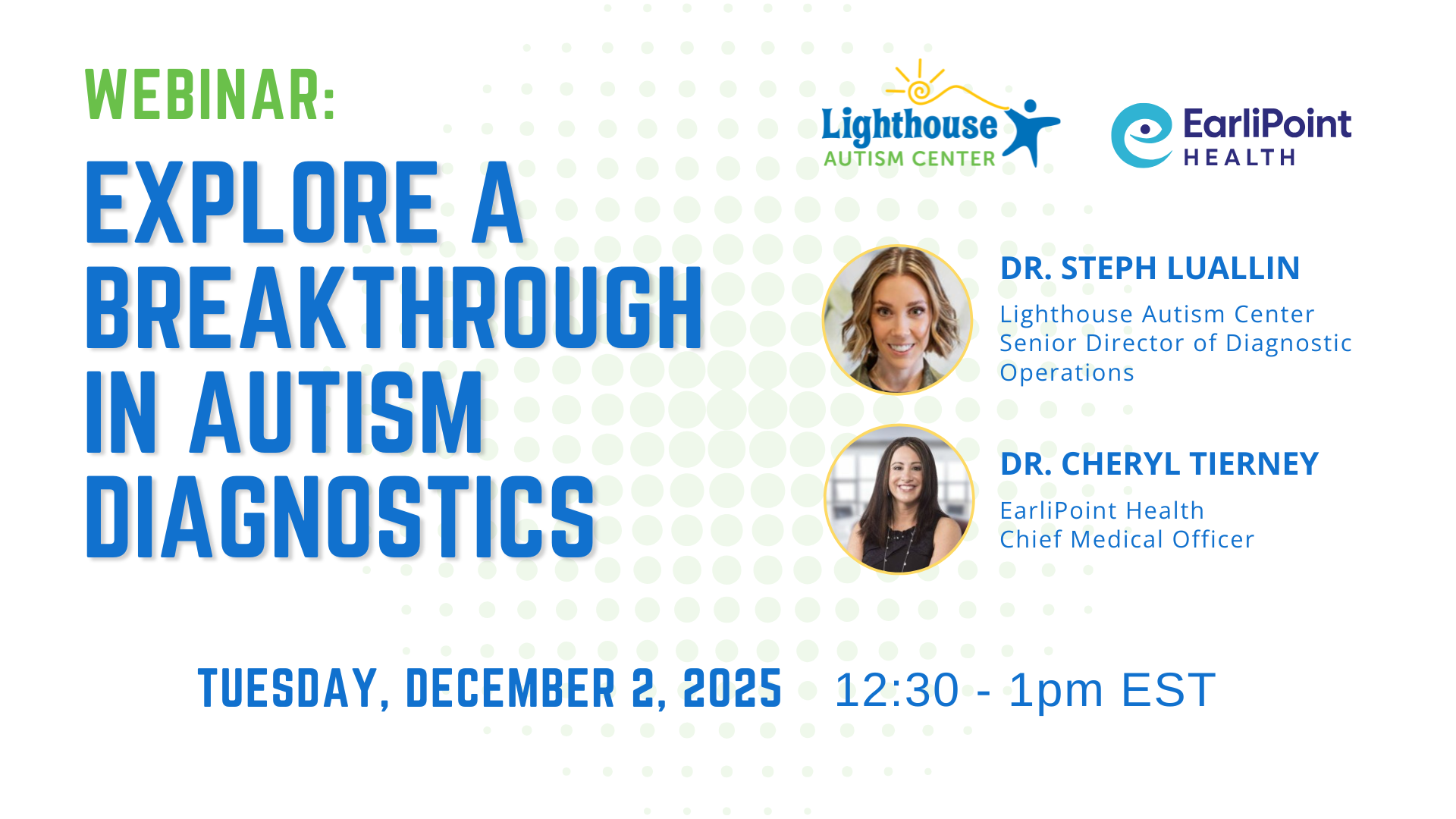
Lighthouse Autism Center is proud to host an upcoming webinar highlighting a breakthrough in autism diagnostics using the FDA-approved EarliPoint® eye tracking system. This innovative technology provides objective insights into how children engage with social interactions, complementing our clinical interviews and expertise.
Join Dr. Steph Luallin, Senior Director of Diagnostic Operations at Lighthouse Autism Center, and Dr. Cheryl Tierney, Chief Medical Officer at EarliPoint Health, for an insightful presentation on how this approach is transforming the diagnostic process.
Attendees will learn how Lighthouse is able to:
Diagnose autism earlier
Initiate treatment sooner
Measure outcomes with precision
About the Presenters
Dr. Steph Luallin, PhD, HSPP Dr. Luallin holds a PhD in School Psychology and has over 10 years of experience in autism evaluations and therapy, including clinical roles at Denver Children’s Hospital and Lighthouse Autism Center. She leads Lighthouse’s diagnostic operations, ensuring families receive timely and accurate assessments. Outside of her work, she enjoys yoga, travel, and cooking.
Dr. Cheryl Tierney, MD, MPH Dr. Tierney is a board-certified developmental pediatrician, full professor at Penn State, and Chief Medical Officer at EarliPoint Health. With over 25 years of experience, she specializes in autism assessment and care for children with special healthcare needs. On a personal note, Dr. Tierney has five children and stepchildren, including one son with autism and one stepdaughter who is a BCBA.
December 2, 2025 | 12:30pm – 1:00pm Free Microsoft Teams Webinar | Register Here
Join us to learn how Lighthouse Autism Center is leveraging innovative technology to help families access care faster and more effectively.
Big news for families in the Piedmont Triad community — Lighthouse Autism Center is bringing its innovative, play-based autism therapy model to High Point, North Carolina!
Opening November 24, 2025, the new center located at 719 N Elm St, High Point, NC 27262 will feature the bright, welcoming spaces and natural learning environments that families have come to love at Lighthouse. Every detail, from the colorful therapy rooms to the carefully selected play materials, is designed to make learning fun and meaningful for children with autism.
At the High Point center, families will have access to a full range of services, including:
Applied Behavior Analysis (ABA) therapy
Speech therapy
Autism diagnostic testing
Parent support and education
Pre-academic learning
This expansion marks an exciting milestone in our mission to bring high-quality autism services to more families. It also creates new job opportunities for therapists, clinicians, and support staff, contributing to both the local community and North Carolina’s growing network of autism care providers.
Growing to Meet Families Where They Are
Earlier in 2025, Lighthouse Autism Center opened its first North Carolina locations in Hickory, Monroe, Statesville, and Smithfield. Now, with the addition of High Point, we’re continuing to respond to the increasing demand for compassionate, evidence-based autism services in North Carolina.
Autism spectrum disorder (ASD) affects approximately 1 in 31 children in the U.S., and the need for quality therapy options has never been greater. At Lighthouse, we’re committed to making sure every child and family can access the care and support they deserve.
“2025 will mark a major milestone for Lighthouse Autism Center with expanding outside the Midwest to North Carolina,” Traci Meador, Director of Special Programs and Expansion Operations, said. “We are thrilled to bring our services to more families, supporting and empowering them along their autism journey. Our commitment to excellence and community-focused care drives us to extend our impact where it is most needed.”
About Lighthouse Autism Center
Lighthouse Autism Center was founded in 2012 by parents of a child with autism — and that personal story still guides everything we do. From one center in Indiana, Lighthouse has grown to become the Midwest’s leading provider of center-based ABA therapy, now serving families across Indiana, Michigan, Illinois, Iowa, Nebraska, and North Carolina.
Our unique Lighthouse Fusion® approach combines ABA and speech therapy in collaborative, play-based sessions led by dually certified BCBA/SLPs. This model helps children make faster progress in communication, social skills, and overall development — all while having fun.
At Lighthouse, we believe every child has incredible potential. Our team is dedicated to helping them shine, one milestone at a time.
Families in High Point and surrounding communities can learn more about enrollment and career opportunities at www.lighthouseautismcenter.com.
Let's Get Started
Please answer a few questions to help us get to know you better.
How old is your child?
Please select an option
Is your child diagnosed with autism?
Please select an option
We're here to help.
Lighthouse Autism Center offers ABA therapy for children with autism. Contact us to learn how our innovative clinical model can help your child make greater progress, faster, all while having fun.