
The holiday season is filled with excitement, celebration, and connection, but it can also bring challenges for children with autism and their families. New environments, unfamiliar faces, changes in routine, and sensory-heavy activities can create stress during a time that is meant to feel joyful. With some thoughtful planning and supportive strategies, families can navigate this season in a way that feels more comfortable and meaningful for everyone.

Preparing for Shifts in Routine
Many children with autism rely on routine to feel safe and grounded, so the unpredictability of the holidays can be particularly difficult. Introducing the upcoming early changes and discussing what to expect can help reduce anxiety. Sitting down to explain what the say may look like and what is going on will give the child a sense of control and predictability. Even during the busy days, keeping familiar routines, like bedtime, can help anchor the day and give your child the needed stability. Practicing or talking through new experiences before they happen can also make transitions smoother and reduce stress that comes from new and unfamiliar situations.
Navigating Sensory Overload
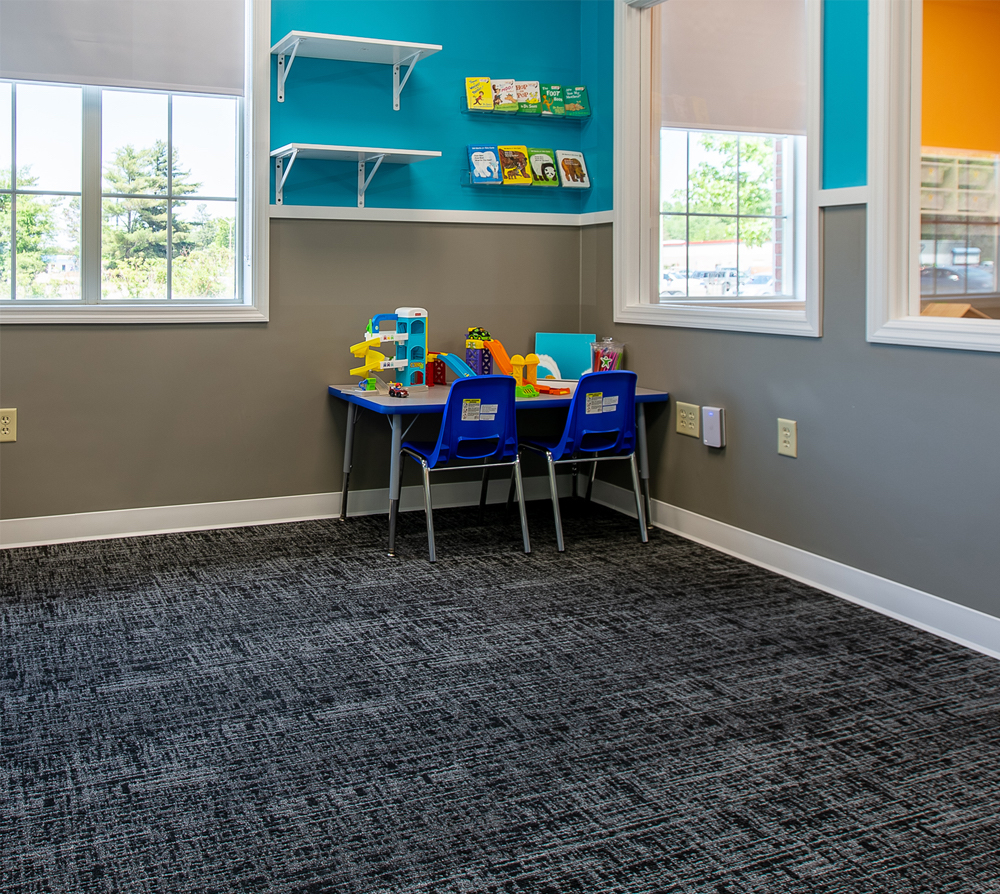
Holiday gatherings often mean loud conversations, crowded rooms, strong smells, and bright lights. These elements can quickly become overwhelming, so creating opportunities for sensory regulation can make these environments more manageable for your child. Bringing familiar comfort items, such as a preferred toy, blanket, or snack, can offer reassurance in unpredictable settings. Finding a quiet room or a designated calm area during gatherings gives your child a place to retreat when stimulation becomes too intense. Tools like noise-canceling headphones, sunglasses, or fidgets may also help keep sensory experiences at a more comfortable level. By honoring your child’s sensory needs, you help them stay regulated and more able to enjoy the celebration.
Supporting Communication at Gatherings
Holiday events often come with social expectations that may feel challenging. Meeting many people at once, being asked a lot of questions, or receiving an unexpected greeting can create discomfort. Preparing your child by discussing what social interactions may look like and offering simple, comfortable responses can help them feel more confident. It’s also super helpful to communicate with friends and family beforehand about your child’s communication style and preferences. Whether your child uses speech, gestures, or prefers nonverbal communication, making sure others understand what works best can relieve pressure for everyone involved. When children feel supported in how they communicate, they’re more likely to engage in ways that feel authentic and safe.
Putting Comfort First
Every family has permission to modify traditions, set boundaries, or create new holiday routines that better fit their needs. It is okay to arrive late, leave early, or skip events that may be overwhelming. You can celebrate the season in ways that are meaningful without feeling forced into expectations that don’t support your child. By prioritizing comfort and emotional well-being, you create opportunities for positive memories instead of stressful ones. Small adjustments, like hosting quieter gatherings, choosing sensory-friendly activities, or building breaks into the day, can help ensure that everyone feels included and supported.
Creating a Holiday Plan That Works for Your Family
There is no “right” way to celebrate the holidays. The best approach is one tailored to your child’s strengths, needs, and comfort level. Planning ahead, preparing sensory supports, and staying flexible can help the season feel more predictable and enjoyable. Involving your child in planning when possible can build confidence and help them feel more connected to family traditions. With patience and preparation, your family can create a holiday experience that is both supportive and joyful.
Lighthouse Autism Center: Equipping Families With Tools for Smoother Transitions
Seasonal changes and holiday transitions can feel like a lot, but your family doesn’t need to navigate them alone. Lighthouse Autism Center provides compassionate, evidence-based ABA therapy and a wide range of autism resources designed to support families year-round. From helpful guides to innovative programs like Lighthouse Autism Fusion ABA Therapy, our team is dedicated to helping children grow, adapt, and thrive. To learn more about how we can support your family during the holidays and beyond, visit our website or reach out to a team member.