

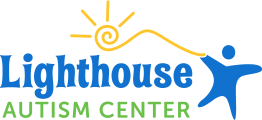

Why is Early Intervention for Autism So Important?
Early intervention is vital to the success of autism therapy. We examine why early intervention is so important and how it helps autistic children.
Early Autism Intervention: Why is Early Intervention Important?
It’s vital to be able to assist a child with autism as early as possible. We take a look at the benefits of early intervention, the signs of autism, and how we can help evaluate your child.
Infographic: Early Intervention and Autism Treatment
Recognizing the signs and symptoms of autism in early childhood can help improve a child’s chances of success in the future. Here’s a quick look at why early intervention is so important and the positive results of identifying the early autism signs in children:
What are the early signs of autism?
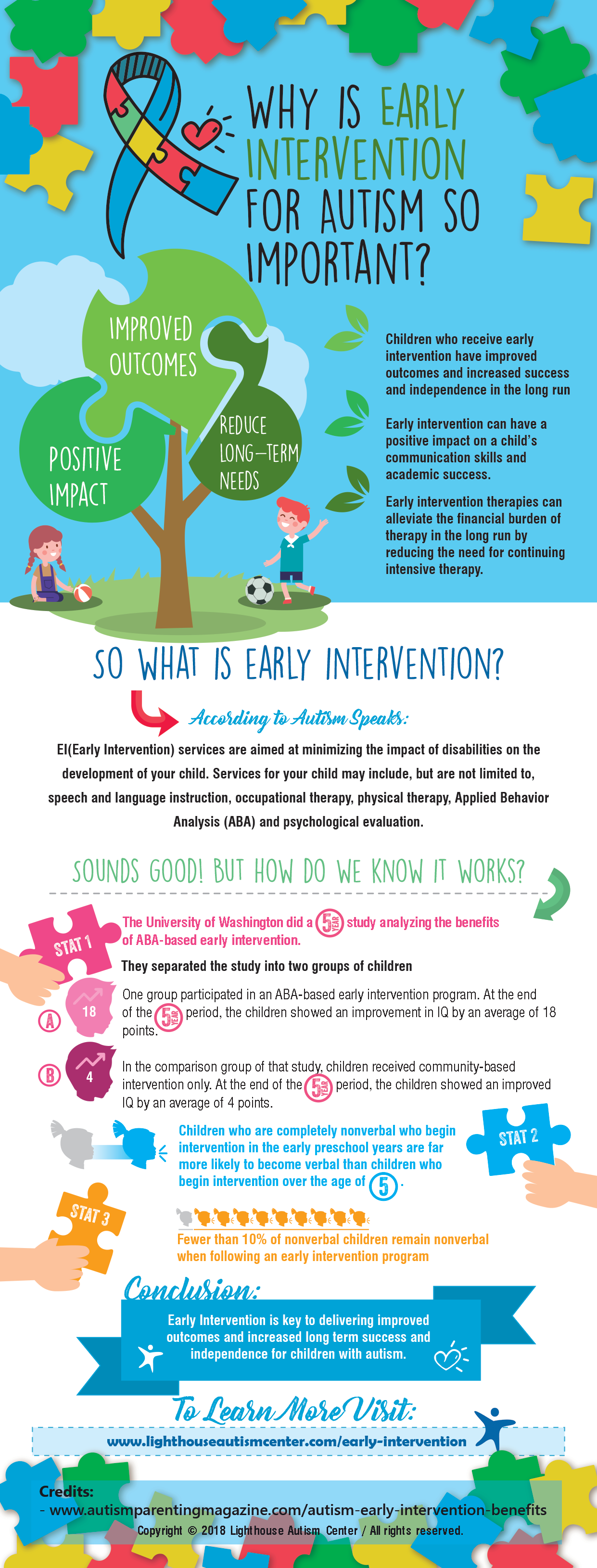
As a parent, you may be wondering what are some of the autism signs and symptoms you should watch out for. Key developmental milestones can help you identify whether your child has autism or not. You can also keep an eye out for certain early signs of autism, such as social, behavioral, or emotional practices, which may indicate that your child is autistic.
How early should you try to assist a child diagnosed as autistic?
Depending on the child, early intervention programs can begin as early as 18 months of age.
What is early intervention in autism and how can it help?
Early intervention for autism means providing treatment and therapeutic services to autistic children starting from 18 months or as soon as an older child is diagnosed. There are many advantages to early intervention. Some of the specific benefits an autistic child can attain include improvements in:
- IQ, reflected in performance on IQ tests
- Language abilities, including listening and understanding
- Coping skills, including emotional regulation
- Physical development, such as enhanced balance and coordination
- Social interactions, both with a child’s peers and parents
- Nonverbal autism, where there’s a lack of or limited use of verbal communication
Evaluating your Child
Are you seeing the signs of autism in your child but don’t have an evaluation yet? Early intervention is crucial to improved outcomes and increased success and independence in the long run. You can view our list of early signs and symptoms of autism in babies, toddlers, and young children. Then, you can connect with Lighthouse’s network of professionals who understand how to identify autistic children and who can let you know more about how early autism can be diagnosed.
Together, we can unlock your child’s potential
Related News

03/10/2026
What is Verbal Behavior Therapy?
Verbal Behavior Therapy is a vital tool for helping those with autism improve their communication skills. Learn more about this approach to teaching communication and the benefits it offers children with autism. Understanding VBT and Its Impact Communication is the foundation of human interaction, enabling us to connect, share ideas, resolve conflicts, and collaborate with others in […]
03/10/2026
What Is a Co-Treatment Therapy Session?
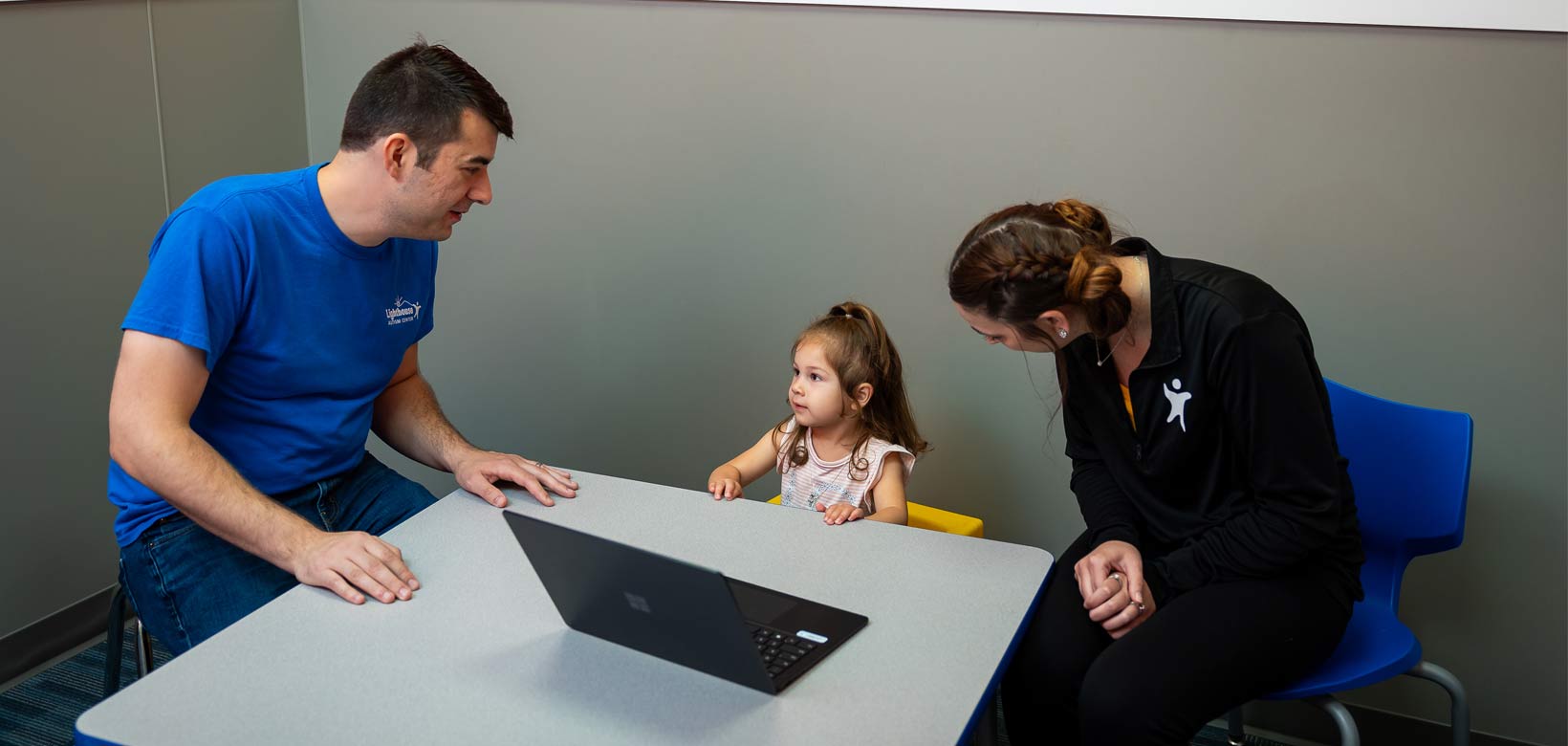
Explore co-treatment with ABA therapy with speech support for comprehensive care, improved communication, and effective outcomes in children. What Is a Co-Treatment Session and How Does It Benefit Your Child? ABA (Applied Behavior Analysis) therapy programs are designed by a Board Certified Behavior Analyst (BCBA) and implemented by a Registered Behavior Technician (RBT) to address behavior-related goals in autistic children. […]
03/10/2026
Safety & Autism Centers
Safety & Autism Centers: How LAC Prioritizes Safety As a parent, trusting anyone with the safety of your child is a big ask, even more so when you know that your child sees, feels, and experiences the world differently. At Lighthouse Autism Center, we understand that safety means more than locked doors or clean playrooms. […]
