


Autism Act Wins Senate Approval
Just before leaving Washington for a month-long break, the U.S. Senate acted to renew the nation’s primary autism legislation, sending the measure to the president’s desk.
The autism bill was approved by unanimous consent late Thursday night. The move comes after the legislation, which cleared the U.S. House of Representatives in June, had been held up for weeks as some advocacy groups working as the Autism Policy Reform Coalition called for changes to the measure.
Known as the Autism Collaboration, Accountability, Research, Education and Support Act, or Autism CARES, the bill authorizes $260 million in federal funding annually through 2019 for autism-related programs.
It serves as a reauthorization for what’s previously been known as the Combating Autism Act, which is set to expire at the end of September. Without the renewal, federal funding for research, prevalence tracking, training for professionals, early identification and other autism efforts would come to a halt, supporters led by Autism Speaks said.
“The Senate’s action today ensures these vital autism programs are reauthorized and continue providing research, services and supports individuals with autism and their families have come to rely on,” said U.S. Sen. Robert Menendez, D-N.J., the legislation’s lead sponsor.
In addition to continuing federal funding for existing programs, the Autism CARES Act calls for an autism point person at the U.S. Department of Health and Human Services and spells out changes to the Interagency Autism Coordinating Committee. The bill also requires a new report be conducted focusing on the needs of young adults and youth during transition.
Aside from approving the autism legislation, lawmakers also moved forward on a bill that would establish a new way for people with disabilities to save money. A House panel unanimously approved the Achieving a Better Life Experience, or ABLE, Act on Thursday, positioning the legislation to be considered by the full body as soon as next month.
The bill would allow people with disabilities to create special accounts where they could save up to $100,000 without risking eligibility for benefits like Social Security. Under the proposal, individuals would not lose Medicaid coverage no matter how much money is deposited in the accounts.
The ABLE Act has support from more than half the members of both the House and Senate, but key lawmakers said they would work together to find a way to pay for the measure before putting it up for a vote on the House floor.
Meanwhile, the Senate left town without voting on ratification of the United Nations Convention on the Rights of Persons with Disabilities.
The treaty, which sets an international standard for disability rights similar to what’s already in place domestically through the Americans with Disabilities Act, was approved by the Senate Foreign Relations Committee in July and disability advocates had lobbied heavily for a floor vote before the August recess.
Both the Senate and House will return to Washington in September.
Together, we can unlock your child’s potential
Related News

03/10/2026
What is Verbal Behavior Therapy?
Verbal Behavior Therapy is a vital tool for helping those with autism improve their communication skills. Learn more about this approach to teaching communication and the benefits it offers children with autism. Understanding VBT and Its Impact Communication is the foundation of human interaction, enabling us to connect, share ideas, resolve conflicts, and collaborate with others in […]
03/10/2026
What Is a Co-Treatment Therapy Session?
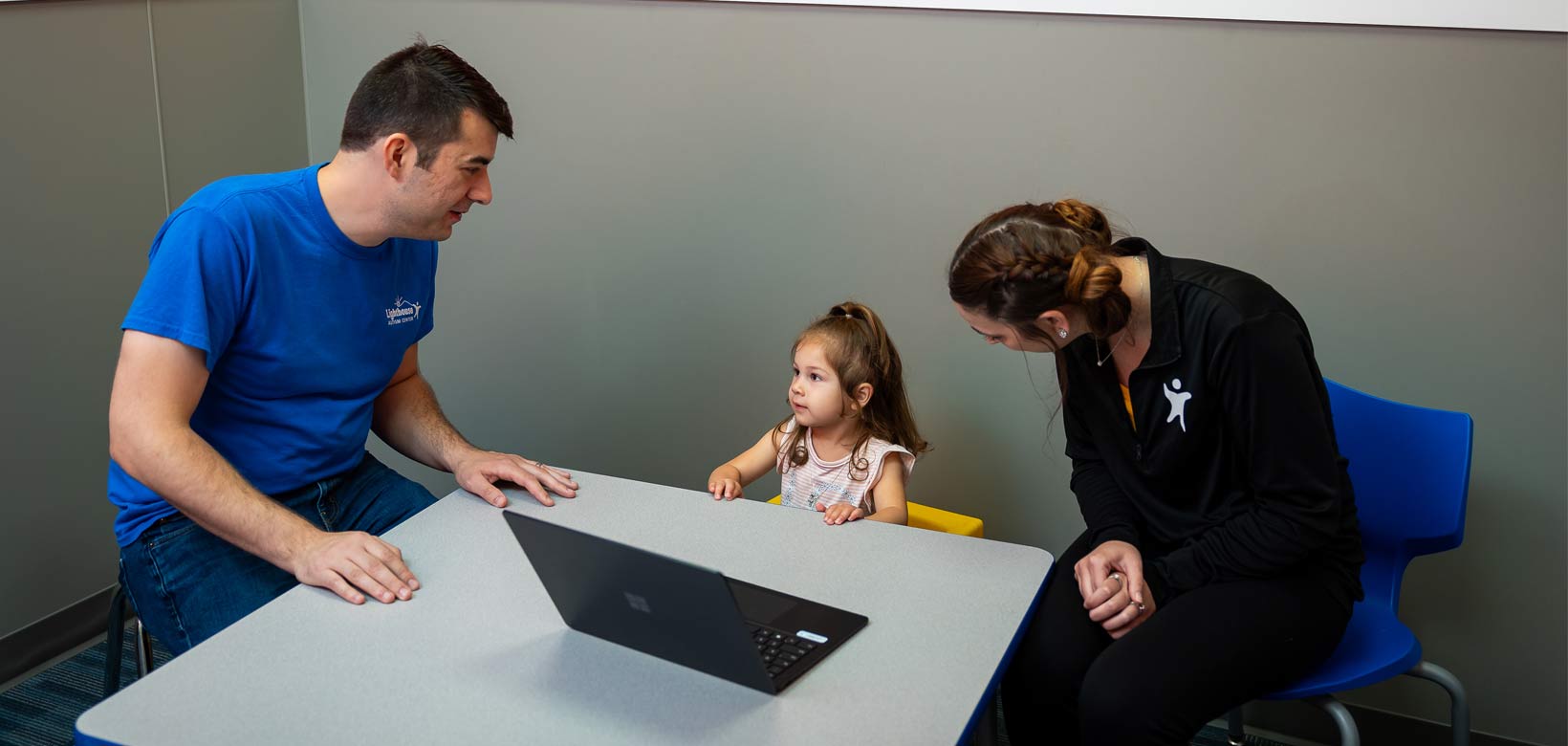
Explore co-treatment with ABA therapy with speech support for comprehensive care, improved communication, and effective outcomes in children. What Is a Co-Treatment Session and How Does It Benefit Your Child? ABA (Applied Behavior Analysis) therapy programs are designed by a Board Certified Behavior Analyst (BCBA) and implemented by a Registered Behavior Technician (RBT) to address behavior-related goals in autistic children. […]
03/10/2026
Safety & Autism Centers
Safety & Autism Centers: How LAC Prioritizes Safety As a parent, trusting anyone with the safety of your child is a big ask, even more so when you know that your child sees, feels, and experiences the world differently. At Lighthouse Autism Center, we understand that safety means more than locked doors or clean playrooms. […]
