


My Child & Autism: How Much Therapy is Too Much?
ABA Therapy for Autism is a Full Time Therapy, Here’s Why.
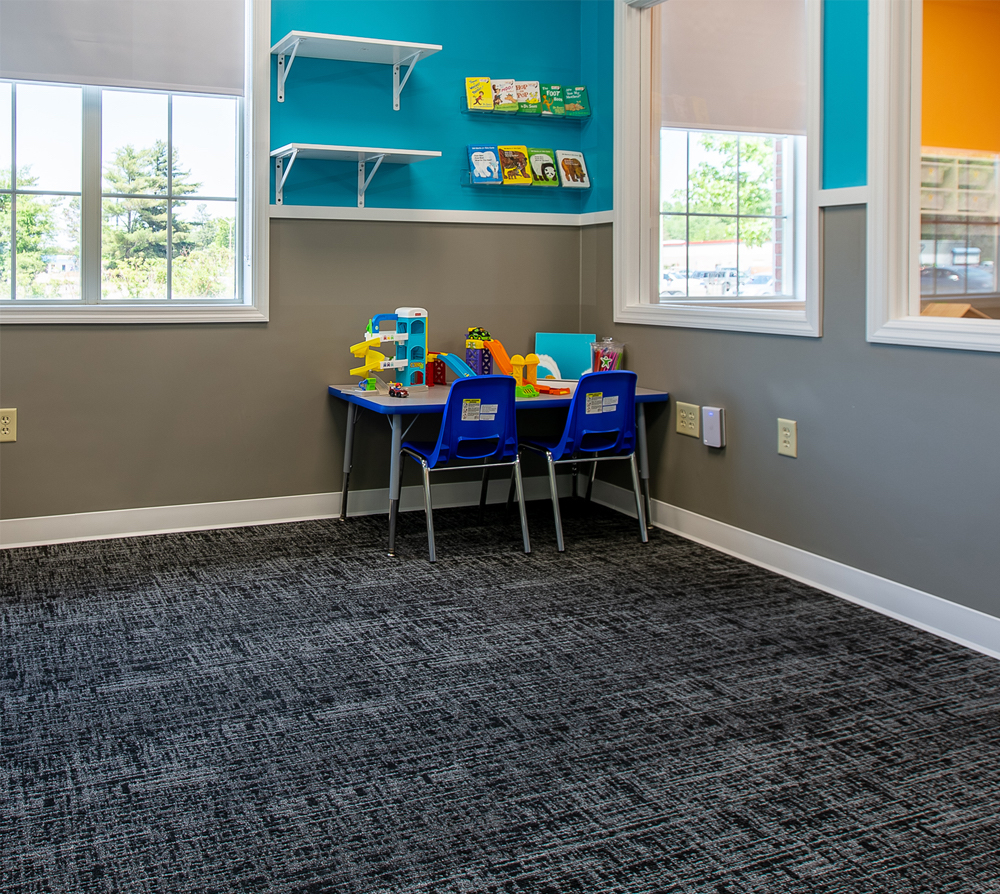
Prospective parents visiting our center often ask the question, “how much is too much therapy?” At Lighthouse Autism Center, we specialize in full-time, center-based Applied Behavior Analysis (ABA) therapy. This is an intensive type of therapy that is the only therapy for children with autism endorsed by the U.S. Surgeon General. Our therapy is play-based and child-led, because we know that children learn best while having fun! We meet our learners where they are most motivated and use strategically selected items in our play spaces to conduct therapy. We also create realistic environments in our therapy centers so that our learners and learn and be more comfortable in these environments when they are in the community in the real situations, such as at the salon or at the grocery store.
Children with autism need consistent, targeted, therapy to minimize skill gaps. Intensive therapy, such as ABA, has been shown to be incredibly effective in helping children and adults with autism live more fulfilled and independent lives. Furthermore, the earlier children with autism begin this therapy, the more effective the therapy will be.
If we think of ABA therapy in the same way we think about school for our children, we will see that the time spent is equal. The average child is in a classroom for 6 to 8 hours a day, five days a week. They are being taught and instructed in the classroom and those lessons are carried over at home. ABA therapy is the same. Most of our children spend eight hours each day at our centers where they are being taught life skills, school skills, and working on decreasing inappropriate or problem behaviors. These same skills are also put into practice in a home setting.
While your child may be missing out on a formal academic or school setting to attend full-time ABA therapy, typically children with autism that are recommended for full-time ABA therapy are not quiet ready for a full-time school setting. At Lighthouse Autism Center, it is our goal to get our learners ready to transition into a academic school setting by working with them on the necessary skills and independence to do so. This is why early intervention is also crucial. If we can get the learner in full-time before academic ages, they likely do not need to miss out on a typical school routine and we can prevent inappropriate or problem behaviors before they develop. Additionally, if the learner is already at an academic age, full-time therapy allows them to make greater progress faster, and transition into a school setting even quicker.
Together, we can unlock your child’s potential
Related News

03/10/2026
What is Verbal Behavior Therapy?
Verbal Behavior Therapy is a vital tool for helping those with autism improve their communication skills. Learn more about this approach to teaching communication and the benefits it offers children with autism. Understanding VBT and Its Impact Communication is the foundation of human interaction, enabling us to connect, share ideas, resolve conflicts, and collaborate with others in […]
03/10/2026
What Is a Co-Treatment Therapy Session?
Explore co-treatment with ABA therapy with speech support for comprehensive care, improved communication, and effective outcomes in children. What Is a Co-Treatment Session and How Does It Benefit Your Child? ABA (Applied Behavior Analysis) therapy programs are designed by a Board Certified Behavior Analyst (BCBA) and implemented by a Registered Behavior Technician (RBT) to address behavior-related goals in autistic children. […]
03/10/2026
Safety & Autism Centers
Safety & Autism Centers: How LAC Prioritizes Safety As a parent, trusting anyone with the safety of your child is a big ask, even more so when you know that your child sees, feels, and experiences the world differently. At Lighthouse Autism Center, we understand that safety means more than locked doors or clean playrooms. […]
