

Autism Research: March 21, 2014 Week in Review
Anti-anxiety medications help autism brain, research suggests
A new study conducted by the University of Washington has found that low doses of drugs used to treat anxiety symptoms can help ‘re-balance’ the brains of children with autism. Dr. Catterall and his team found that the imbalance between the excitatory and inhibitory neurons that characterizes autism could be corrected partially with small doses of drugs used to treat symptoms like anxiety and seizures. Published in the prestigious journal Neuron, the study might be a breakthrough for treating the core developmental problems that afflict children having autism. The group of drugs called ‘benzodiazepines’ was found to restore the altered balance between the inhibitory and excitatory neurons in mice brains. The team of researchers is hopeful in this discovery helping correct repetitive behaviors and social skills that make autism a challenge for parents.
Group CBT helps reduce depression, stress in youngsters with ASD, study reveals
The value of group therapy has long been used for psychological disorders. Now, a study has shown that group sessions of cognitive behavioural therapy or CBT have high potential in reducing the symptoms of stress, depression, etc in youngsters having autism spectrum disorders. Published in the Journal of Autism and Development Disorders, the study was headed by J. McGillivray and evaluated 32 adolescents ranging from 15 to 25 years. The study adapted the CBT for a group setting to treat anxiety, depression and stress symptoms for people on the autism spectrum and found significant reduction in the symptoms of stress and depression although the anxiety related symptoms remained unchanged. The benefits of the group therapy were maintained when the participants were evaluated again at 3 and 9 months follow ups.
Soy and seizures linked in autism, study suggests
Scientist Cara Westmark and her team from the University of Wisconsin Madison have found elevated rates of seizures in children suffering from autism who were raised on infant formulas having soy protein instead of milk protein. The study also found that the seizures were seen more in the female population of the study group compared to males. The study will help understand the relation and impact of food on neurodevelopmental disorders like autism and might pave way for therapeutic research to help control such conditions. The research was published in the journalPLOS ONE last week.
Is your toddler repetitive? Could be autism. Study warns.
The Journal of Child Psychiatry and Psychology published a new paper that will make each parent sit up and observe their child’s behavior. The study published by lead researcher Joseph Piven found that children demonstrating repetitive behaviors like flapping hands, spinning, etc by their first birthday are four times more likely to have autism than children who don’t do such repetitive actions. The study adds weight to the theory that repetitive behaviors might be a red flag sign for autism that all parents should watch out for. The study conducted at University of North Carolina at Chapel Hill sends mixed signals as repetitive actions like babbling syllables and wiggling arms are often the first developmental milestones that children show. Distinguishing them from behaviors that point towards autism might need sharper observation and definitely more research.
You can find the original article published by Autism Daily Newscast here https://www.autismdailynewscast.com/autism-research-march-21-2014-week-in-review/9005/dr-narsaria/
Together, we can unlock your child’s potential
Related News

03/10/2026
What is Verbal Behavior Therapy?
Verbal Behavior Therapy is a vital tool for helping those with autism improve their communication skills. Learn more about this approach to teaching communication and the benefits it offers children with autism. Understanding VBT and Its Impact Communication is the foundation of human interaction, enabling us to connect, share ideas, resolve conflicts, and collaborate with others in […]
03/10/2026
What Is a Co-Treatment Therapy Session?
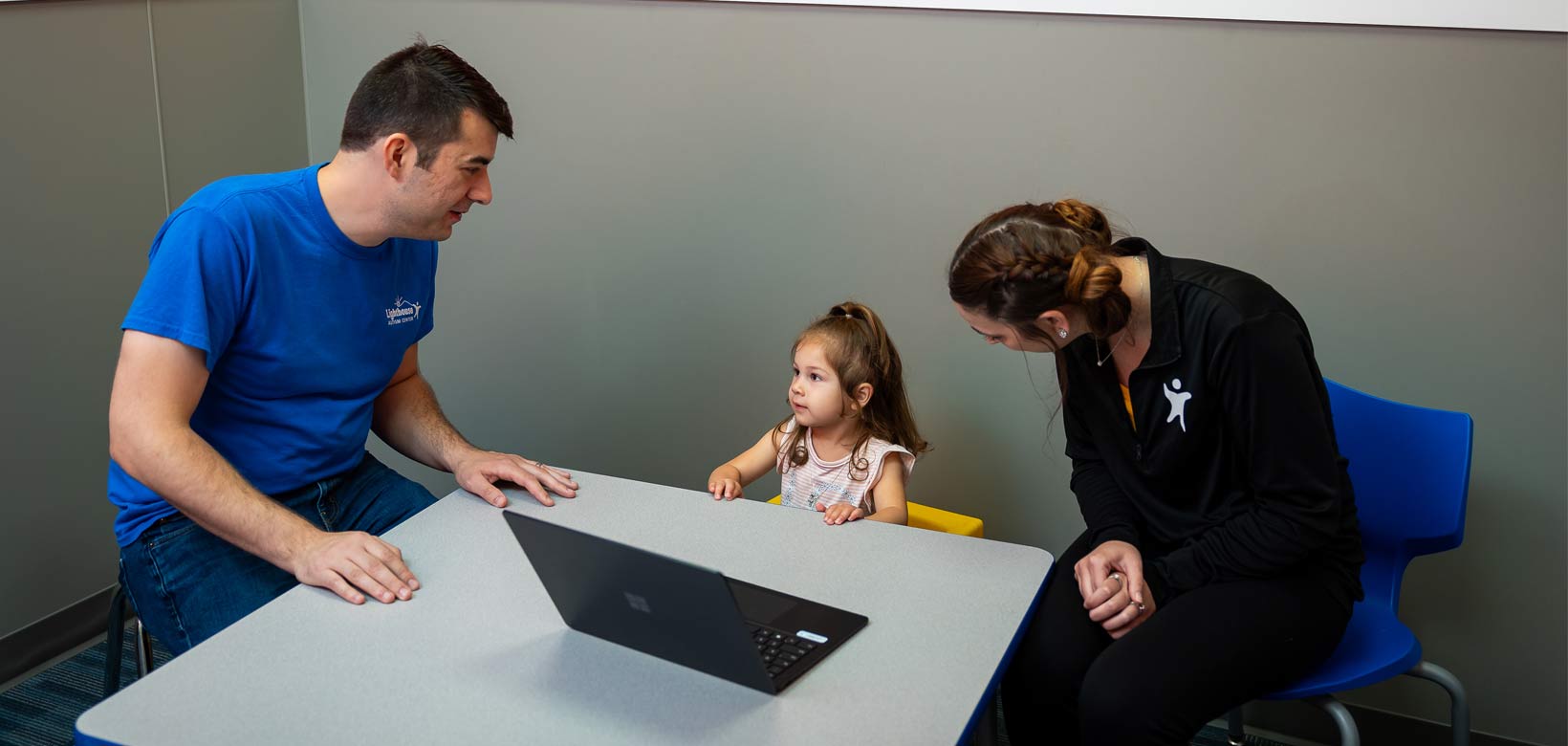
Explore co-treatment with ABA therapy with speech support for comprehensive care, improved communication, and effective outcomes in children. What Is a Co-Treatment Session and How Does It Benefit Your Child? ABA (Applied Behavior Analysis) therapy programs are designed by a Board Certified Behavior Analyst (BCBA) and implemented by a Registered Behavior Technician (RBT) to address behavior-related goals in autistic children. […]
03/10/2026
Safety & Autism Centers
Safety & Autism Centers: How LAC Prioritizes Safety As a parent, trusting anyone with the safety of your child is a big ask, even more so when you know that your child sees, feels, and experiences the world differently. At Lighthouse Autism Center, we understand that safety means more than locked doors or clean playrooms. […]
