

Autism Awareness Training for First Responders Teaches Emergency Personnel How to Respond to Individuals with Autism
Center for Autism and Related Disorders (CARD) and Institute for Behavioral Training (IBT) today announced that they will partner to train first responders on how to approach and interact with individuals with autism spectrum disorder beginning in April for Autism Awareness Month. IBT has trained over 3,000 people across the United States and various countries since 2013. The free training titled, “Autism for First Responders,” will be presented in Fairport, N.Y. on April 30; Larchmont, N.Y. on April 30; Chicago, Ill. on April 23; Austin, Texas on April 26; Phoenix, Ariz. on April 28 and 29; Washington, D.C. on April 23; and in the following California cities, Sacramento on April 28, Fresno on April 25, Woodland Hills on April 24, Thousand Oaks on April 30, Tustin on May 1, Temecula on April 29, Riverside on April 28, and San Marcos on April 29.
According to the new statistics released by the Centers for Disease Control and Prevention (CDC) on March 27, 2014, one in every 68 children in America is diagnosed with autism spectrum disorder (ASD), with one in 42 boys and one in 189 girls diagnosed. As more children, teens and adults are impacted by ASD, more police and other first responders will have interactions with the population.
Individuals with autism may struggle to communicate, make appropriate eye contact or even respond to someone asking them their name. The behaviors that children and teens with ASD display vary greatly, which is why autism is described as a spectrum disorder. Parents and professionals agree that safety is a huge concern for everyone in this population as they may be easily distracted, lost or even elope from their school or surroundings. The “Autism for First Responders” training will enable emergency personnel to recognize the signs of ASD and react accordingly to minimize their own risk and that of the individuals with autism.
“Training first responders to recognize ASD is crucial,” said Cecilia H. Knight, director of IBT. “Helping a family find a child who has wandered away, protecting an adult with autism whose behavior is misunderstood, or helping a paramedic know how to interact when a child is injured can truly make a life or death difference. Recognizing the signs of autism and knowing how to react is key.”
The trainings will be hosted by CARD treatment centers across the United States. IBT’s training will teach attendees the signs and symptoms of ASD, how to communicate with individuals who appear to be affected by autism and tips for first responders who interact with individuals on the spectrum. For more information on the events or to set-up a training, please visit https://www.centerforautism.com/first-responders.aspx
For the original article see the link below
Together, we can unlock your child’s potential
Related News
03/10/2026
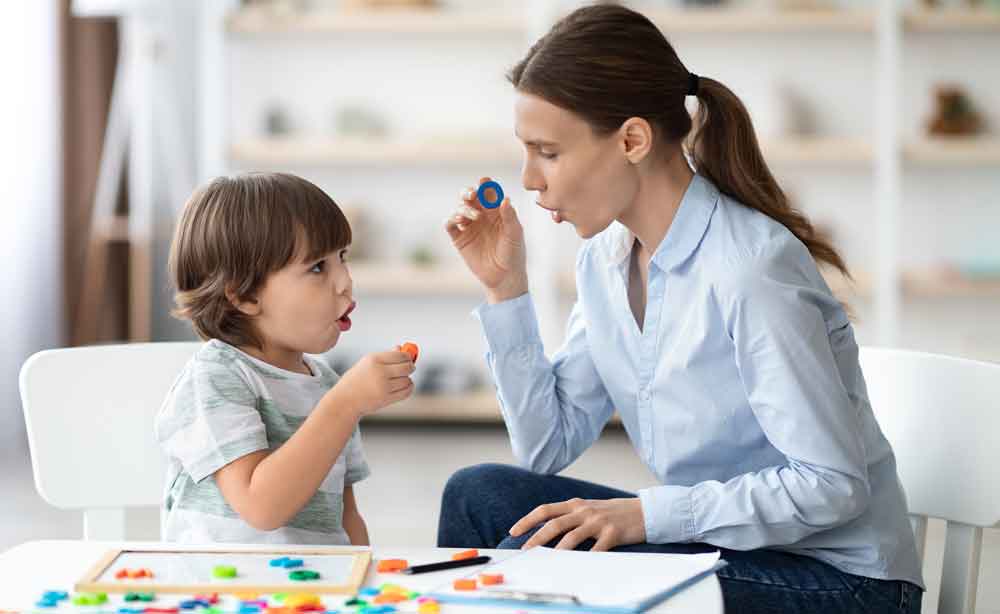
What is Verbal Behavior Therapy?
Verbal Behavior Therapy is a vital tool for helping those with autism improve their communication skills. Learn more about this approach to teaching communication and the benefits it offers children with autism. Understanding VBT and Its Impact Communication is the foundation of human interaction, enabling us to connect, share ideas, resolve conflicts, and collaborate with others in […]
03/10/2026
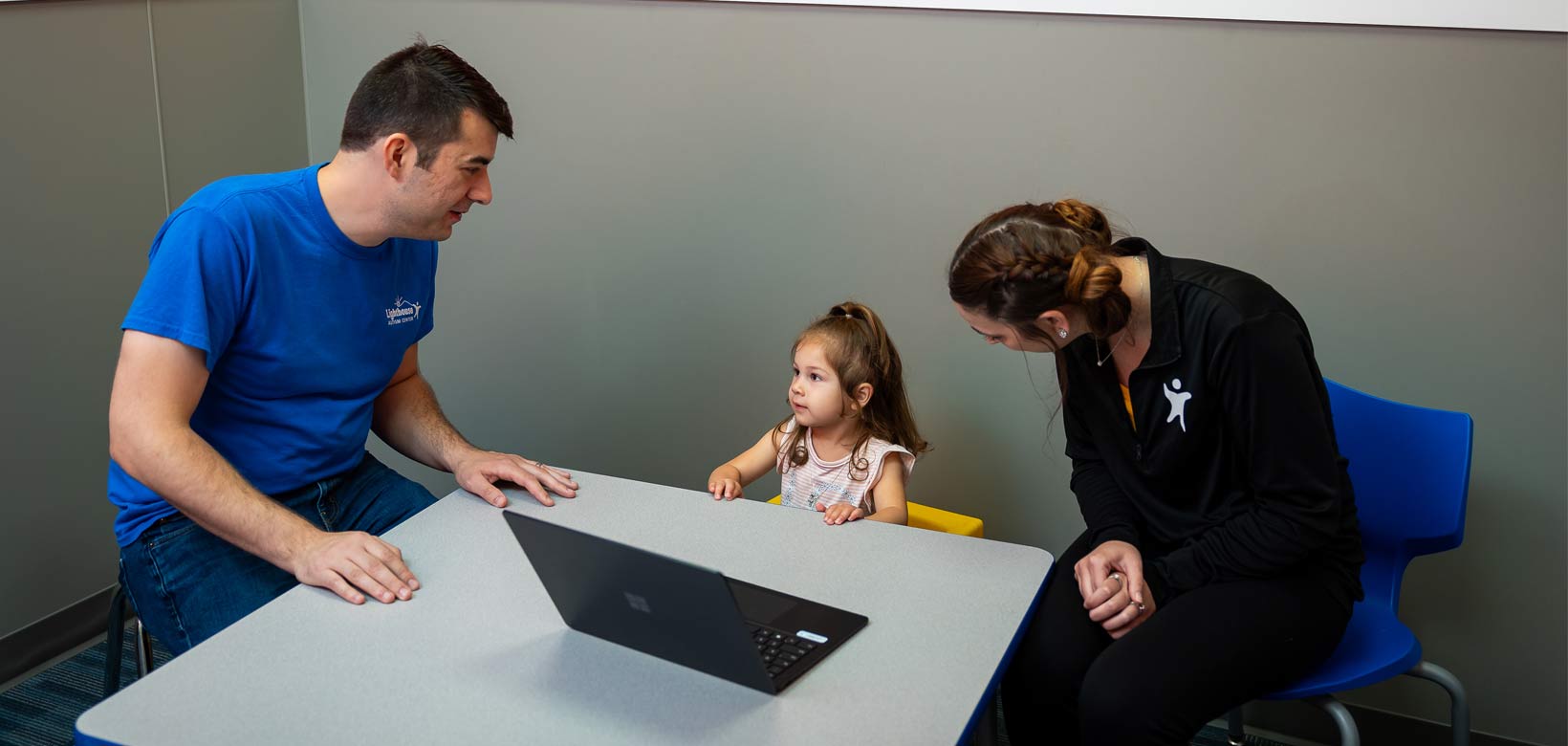
What Is a Co-Treatment Therapy Session?
Explore co-treatment with ABA therapy with speech support for comprehensive care, improved communication, and effective outcomes in children. What Is a Co-Treatment Session and How Does It Benefit Your Child? ABA (Applied Behavior Analysis) therapy programs are designed by a Board Certified Behavior Analyst (BCBA) and implemented by a Registered Behavior Technician (RBT) to address behavior-related goals in autistic children. […]
03/10/2026
Safety & Autism Centers
Safety & Autism Centers: How LAC Prioritizes Safety As a parent, trusting anyone with the safety of your child is a big ask, even more so when you know that your child sees, feels, and experiences the world differently. At Lighthouse Autism Center, we understand that safety means more than locked doors or clean playrooms. […]
