

What is a Board Certified Behavior Analyst?
Board Certified Behavior Analysts play an important role in supporting Autistic children and their families as they learn to navigate the world.
What is a Board Certified Behavior Analyst?
In the complex world of behavioral science and Autism, the role of a Board Certified Behavior Analyst (BCBA) definitely stands as a beacon of expertise and positive transformation. In this article, you will get to demystify the definition of a BCBA and shed light on the comprehensive skill set and ethical considerations that need to be adhered to.
Defining the Role of a Board Certified Behavior Analyst
When it comes to Autism, and more specifically, ABA therapy, you often hear many acronyms for various individuals, procedures, and protocols. Today, we are talking about BCBA’s, or, Board Certified Behavior Analysts. If your child receives ABA therapy, you should have worked with a BCBA, or if you are in the field of behavioral health services, you may have encountered BCBAs.
What makes someone a BCBA?
A Board Certified Behavior Analyst is an individual who has received their master’s degree in Applied Behavior Analysis or equivalent program, has clinically supervised experience working in the field of behavior analysis, and has passed the BCBA certification exam. They are highly trained individuals who are considered experts in the field of behavior analysis. BCBA’s are also required to participate in ongoing continuing education training throughout their careers. Most states now require that all BCBA’s are licensed by the state to practice.
What Do Board Certified Behavior Analysts Do?
During your research on Autism, you may have come across and wondered, what does a BCBA do exactly? If your child attends an ABA center or receives ABA therapy, their program has been written and is overseen by a BCBA. They are able to assess children who already have an Autism diagnosis and determine what programs will help your child learn new skills, refine previously learned skills, and navigate problem behaviors. These plans are individualized and unique to each learner and family.
BCBA’s at Lighthouse Autism Center
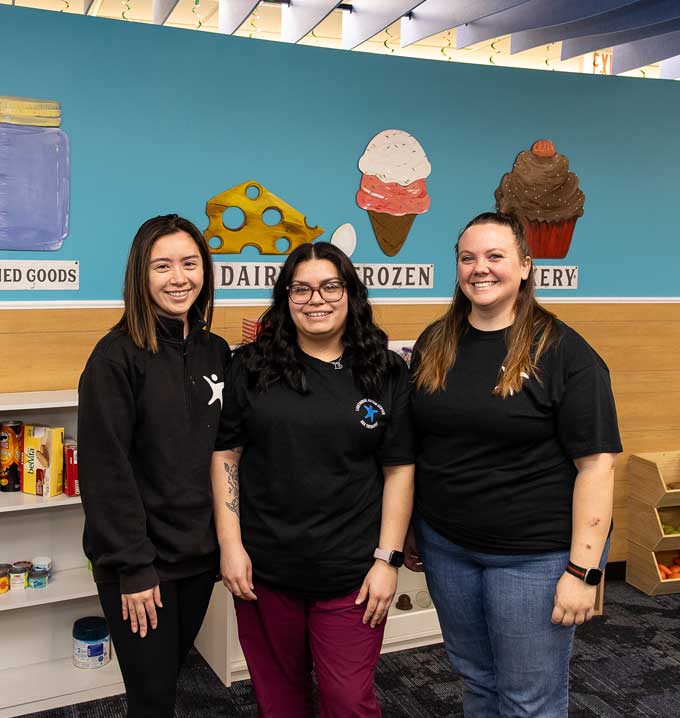
At Lighthouse Autism Center, our Board Certified Behavior Analysts are full-time, virtual and center-based individuals who are highly involved in the day-to-day activities of our centers. They have small caseloads, so they are able to spend time each week with every single child they oversee programming for, ensure ongoing training of 1:1 therapists, as well as consistently review and update programs to ensure children are achieving the best possible outcomes.
BCBA’s at Lighthouse Autism Center are invested in the success of each child and want to help them achieve the best quality of life. They are hands-on and encourage parents to be heavily involved in goal-setting for their children. They also work with parents to give them the tools to follow through with therapy at home and increase their preparedness to help their children if they are experiencing problem behavior. They will also review a child’s progress every few weeks with parents and caregivers to keep them informed and provide an opportunity to discuss any new programs a parent might want to see for their child.
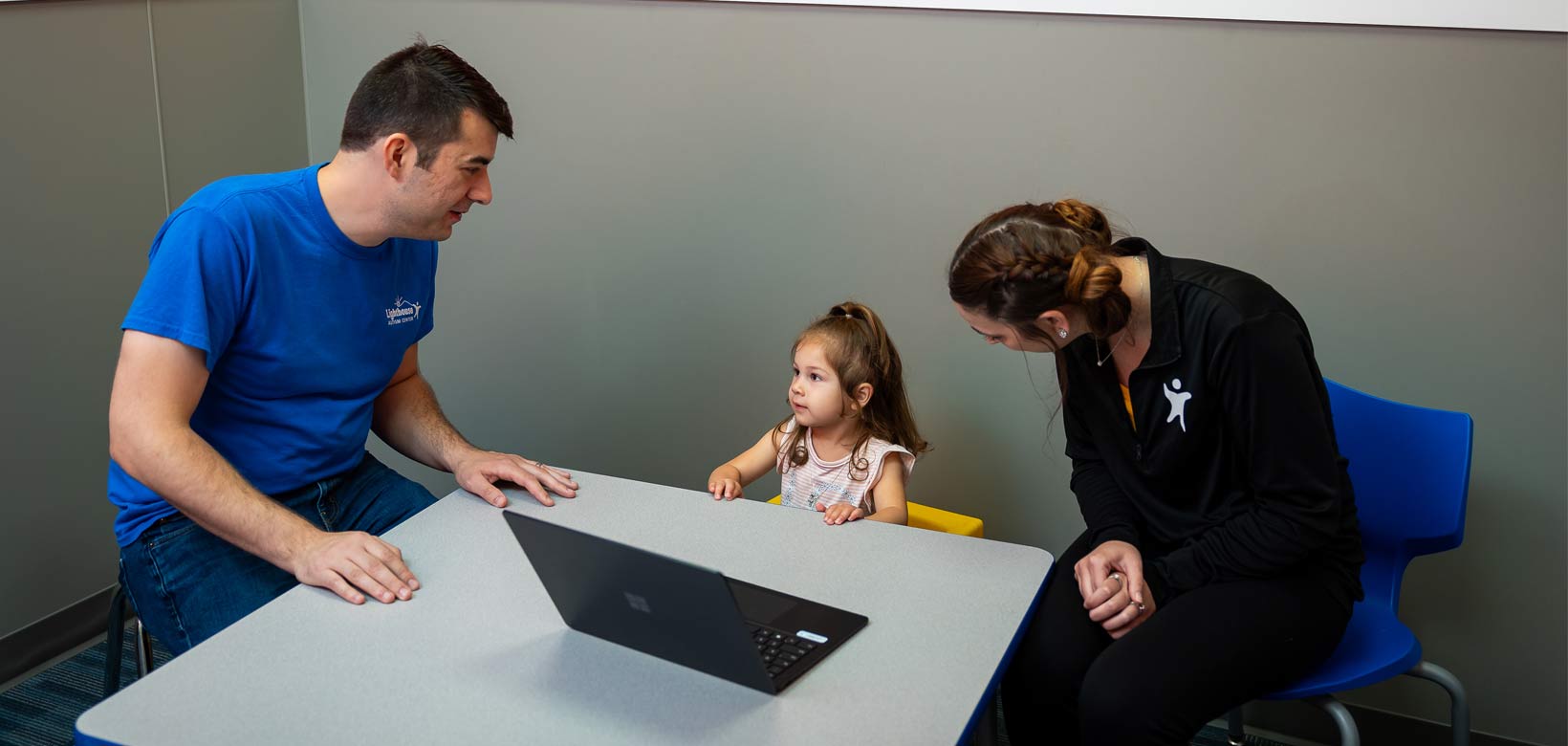
Your BCBA will work with your child’s Registered Behavior Technician (RBT) as well as a Speech-Language Pathologist (SLP) in Lighthouse Autism Center’s unique co-treat sessions, called Lighthouse Fusion ABA Therapy. This is an innovative approach to Autism therapy that fuses the best practices of ABA and speech therapy into a one-of-a-kind clinical model that delivers better outcomes for children with Autism. Lighthouse Fusion is designed by a team of dually certified clinicians, some of only a handful in the world.
Now that you know what BCBA stands for, you can learn more about Board Certified Behavior Analysts by visiting the Behavior Analyst Certification Board.
Together, we can unlock your child’s potential
Related News

03/10/2026
What is Verbal Behavior Therapy?
Verbal Behavior Therapy is a vital tool for helping those with autism improve their communication skills. Learn more about this approach to teaching communication and the benefits it offers children with autism. Understanding VBT and Its Impact Communication is the foundation of human interaction, enabling us to connect, share ideas, resolve conflicts, and collaborate with others in […]
03/10/2026
What Is a Co-Treatment Therapy Session?
Explore co-treatment with ABA therapy with speech support for comprehensive care, improved communication, and effective outcomes in children. What Is a Co-Treatment Session and How Does It Benefit Your Child? ABA (Applied Behavior Analysis) therapy programs are designed by a Board Certified Behavior Analyst (BCBA) and implemented by a Registered Behavior Technician (RBT) to address behavior-related goals in autistic children. […]
03/10/2026
Safety & Autism Centers
Safety & Autism Centers: How LAC Prioritizes Safety As a parent, trusting anyone with the safety of your child is a big ask, even more so when you know that your child sees, feels, and experiences the world differently. At Lighthouse Autism Center, we understand that safety means more than locked doors or clean playrooms. […]
