


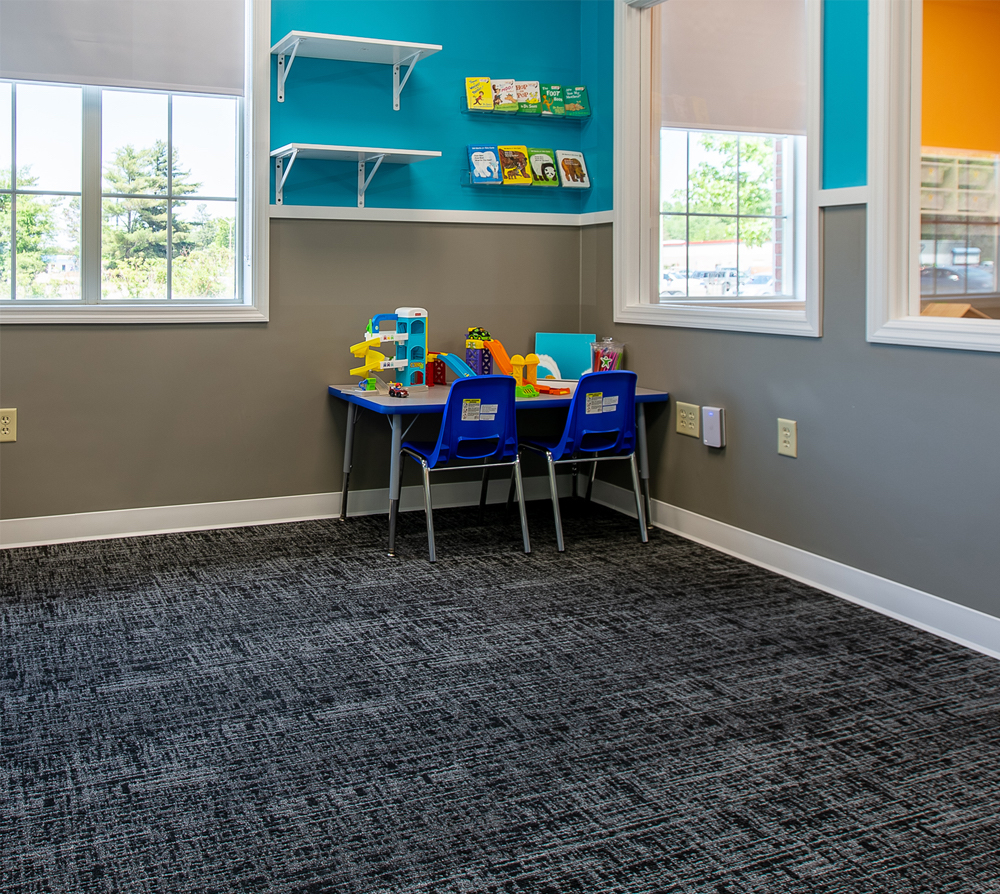
My Child & Autism: The Lighthouse Goal
ABA therapy at Lighthouse is to provide each school-age child with the skills to transition back to the classroom setting that is appropriate for them. Discover how your dedicated team at Lighthouse Autism Center assists both children and families in this transition.
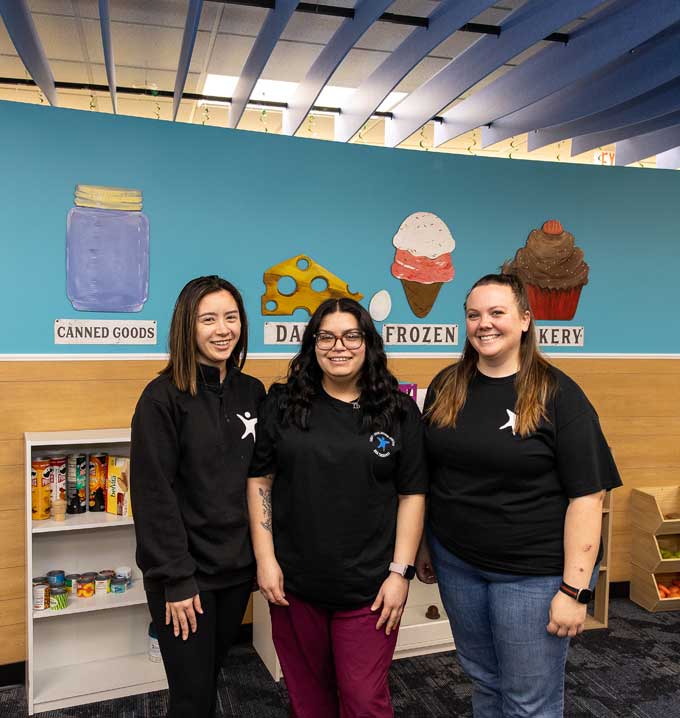
My Child & Autism: The Lighthouse Goal
Transitioning from a therapy center back to an appropriate classroom setting can be a challenging and overwhelming experience for both child and parent. Careful planning, effective communication, and collaboration between therapists, educators, and parents is crucial to ensure a smooth transition that meets the individual needs of the child.
The Importance of Transitioning
Autistic children often require specialized therapies to help them develop social, communication, and behavioral skills. These therapies are usually provided in a controlled environment, such as a therapy center, where your child can receive individualized attention and support.
However, it is essential for autistic children to eventually transition back to a classroom setting where they can apply and practice the skills they have learned in therapy. This allows them to interact with their peers and develop important social and communication skills that will help them in the long run.
Moreover, attending a classroom setting also provides autistic children with a sense of normalcy and inclusion, helping them feel like they are part of their community.
Supporting Autistic Children Transition Back to School
At Lighthouse Autism Center, the ultimate goal of our therapy is to provide each school-age child with the skills to transition back to the classroom setting that is appropriate for them. Our interventions are customized to meet the unique needs of each child and are based on the principles of Applied Behavior Analysis (ABA), a scientifically validated approach to understanding and teaching new behaviors.
While the majority of children participating in Lighthouse Fusion ABA therapy for autism are enrolled for an average of two years, each child is unique, and some are enrolled for a shorter or longer period before they reach the goal of transitioning from a specialized autism treatment center back to school.
When a child is ready to transition back to school, LAC continues to offer ongoing support services to families by playing an active role in the transition. We do this through attendance at IEP meetings, observing children in the classroom, and educating teachers and families about how to support each child in the classroom for a successful transition.
While this can be a scary and challenging time for families, LAC is there to provide autism support to both the child and family. We want families to know that the entire LAC team is there to help them make this transition and be fully equipped with the right autism resources. We will continue to serve as a support, providing valuable autism tools for parents, in order to help your child reach their fullest potential.
Together, we can unlock your child’s potential
Related News

03/10/2026
What is Verbal Behavior Therapy?
Verbal Behavior Therapy is a vital tool for helping those with autism improve their communication skills. Learn more about this approach to teaching communication and the benefits it offers children with autism. Understanding VBT and Its Impact Communication is the foundation of human interaction, enabling us to connect, share ideas, resolve conflicts, and collaborate with others in […]
03/10/2026
What Is a Co-Treatment Therapy Session?
Explore co-treatment with ABA therapy with speech support for comprehensive care, improved communication, and effective outcomes in children. What Is a Co-Treatment Session and How Does It Benefit Your Child? ABA (Applied Behavior Analysis) therapy programs are designed by a Board Certified Behavior Analyst (BCBA) and implemented by a Registered Behavior Technician (RBT) to address behavior-related goals in autistic children. […]
03/10/2026
Safety & Autism Centers
Safety & Autism Centers: How LAC Prioritizes Safety As a parent, trusting anyone with the safety of your child is a big ask, even more so when you know that your child sees, feels, and experiences the world differently. At Lighthouse Autism Center, we understand that safety means more than locked doors or clean playrooms. […]
