

Speech Therapy at Lighthouse Autism Center
Autistic children often require a multi-faceted approach to therapy. As a result, Lighthouse Autism Center sought to refine our approach by offering speech therapy in conjunction with ABA therapy.
Speech Therapy at Lighthouse Autism Center
Autistic children often require a multi-faceted approach to therapy. Typically, a child will need a combination of therapies, including ABA therapy, speech therapy, occupational therapy, etc. As a result, Lighthouse Autism Center sought to refine our approach to therapy by offering speech therapy in conjunction with ABA therapy.
What is speech therapy for autism?
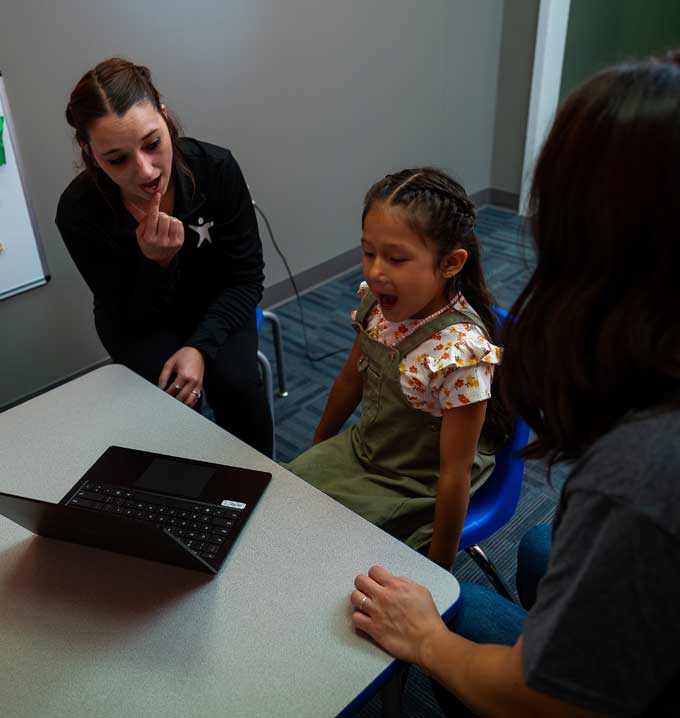
Speech therapy is a crucial intervention that aids autistic children in improving their communication skills. Individuals with autism often face challenges in verbal and non-verbal communication, which speech therapy seeks to address. Speech therapy is an essential autism resource that focuses on enhancing an autistic child’s abilities to express and comprehend both verbal and non-verbal language.
Furthermore, speech therapy can assist autistic children in developing speech pragmatics, which refers to the appropriate use of language in social situations. This includes understanding non-literal language, like sarcasm and irony, and using appropriate tone and intonation during interactions. Autistic children often struggle with social cues and may have difficulty understanding and expressing emotions effectively, making this an essential skill.
The connection between autism and speech therapy is vital as it can significantly improve the quality of life for autistic children, enhancing their social interactions and fostering independence. It is beneficial not only to autistic individuals but also to their families and communities, helping to foster healthy communication and providing caregivers with the tools and strategies needed to make daily interactions easier and more enjoyable.
How speech therapy supports ABA therapy
Speech therapy, which focuses on developing language and communication skills, complements ABA therapy, which uses positive reinforcement to encourage behavior changes. These therapies support and enhance the overall development of children with autism, specifically when practiced in conjunction. Consistent reinforcement in different contexts helps children generalize their communication skills beyond the therapy room into real-world settings. The collaboration can, therefore, provide a comprehensive, multi-faceted approach.
The challenge of multiple therapy requirements
Before moving to Lighthouse Autism Center, many families found themselves on a six- to eight-month waiting list for autism spectrum speech therapy services while their child was receiving ABA therapy. When they finally gained access to speech services, parents had to navigate the logistical challenge of transporting their child to multiple appointments throughout the week. Not only is this incredibly demanding on families, but it also results in children missing out on time they could have spent in ABA therapy.
The Lighthouse Autism Center Difference
As a center founded by parents, for parents, Lighthouse Autism Center decided to integrate speech therapy into our services by creating Lighthouse Fusion ABA therapy—an innovative approach to ABA speech therapy that combines the best practices of each modality into a unique clinical model that delivers improved outcomes for autistic children. It serves as a valuable autism tool for parents by creating a less stressful, more efficient approach while providing autistic children in need of autism speech therapy with the tools they need to reach their fullest potential.
Does your child have ABA and speech therapy needs?
Together, we can unlock your child’s potential
Related News

03/10/2026
What is Verbal Behavior Therapy?
Verbal Behavior Therapy is a vital tool for helping those with autism improve their communication skills. Learn more about this approach to teaching communication and the benefits it offers children with autism. Understanding VBT and Its Impact Communication is the foundation of human interaction, enabling us to connect, share ideas, resolve conflicts, and collaborate with others in […]
03/10/2026
What Is a Co-Treatment Therapy Session?
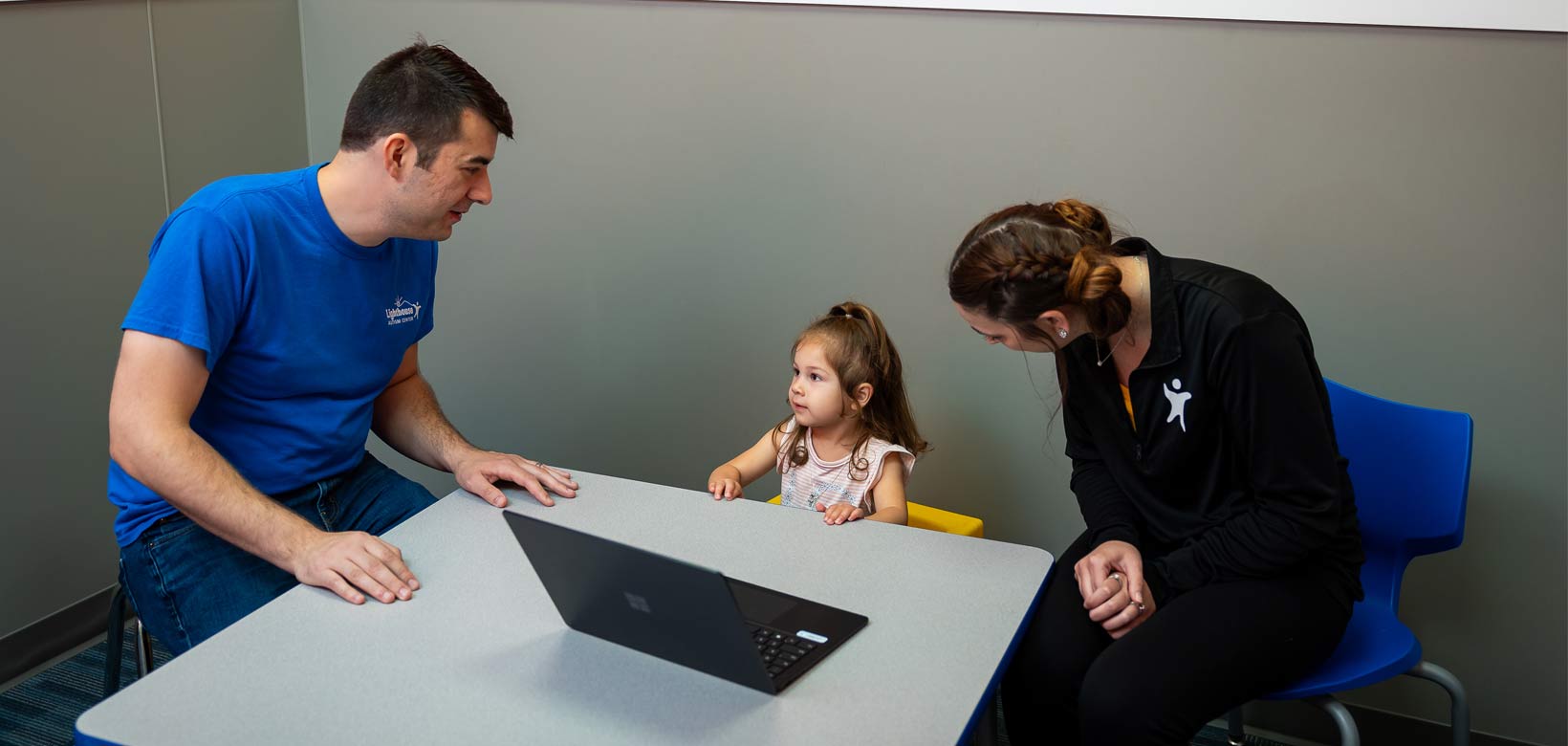
Explore co-treatment with ABA therapy with speech support for comprehensive care, improved communication, and effective outcomes in children. What Is a Co-Treatment Session and How Does It Benefit Your Child? ABA (Applied Behavior Analysis) therapy programs are designed by a Board Certified Behavior Analyst (BCBA) and implemented by a Registered Behavior Technician (RBT) to address behavior-related goals in autistic children. […]
03/10/2026
Safety & Autism Centers
Safety & Autism Centers: How LAC Prioritizes Safety As a parent, trusting anyone with the safety of your child is a big ask, even more so when you know that your child sees, feels, and experiences the world differently. At Lighthouse Autism Center, we understand that safety means more than locked doors or clean playrooms. […]
